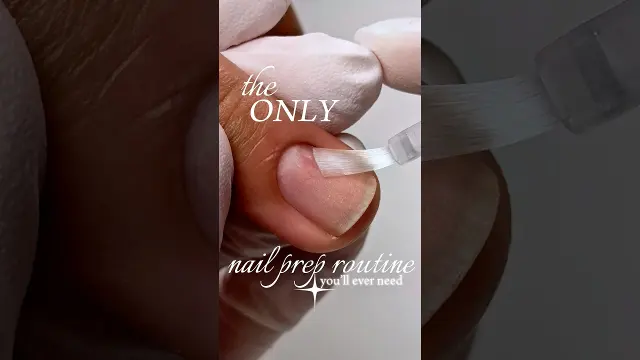
 Detailed Nail Prep Routine for Maximum Retention
#Nail Education
2 ideas
Detailed Nail Prep Routine for Maximum Retention
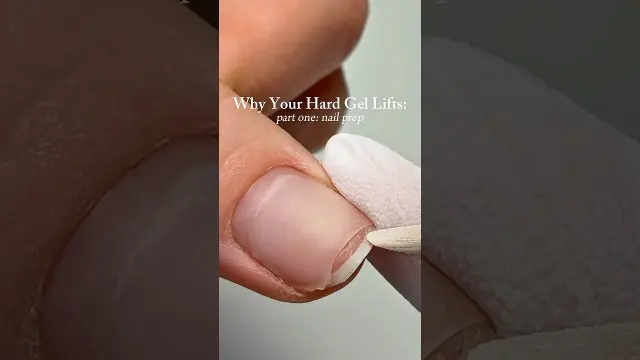 Fixing Hard Gel Lifting with Proper Nail Preparation
Get new #Nail Education ideas by email
Every Thursday: the week's best ideas, with the newest from #Nail Education.
Related tags
Nail Education: A Beginner's Guide to Healthy Nails
Nail education is the body of knowledge behind a good manicure: how nails grow, how products behave, how tools are used safely, and why some sets last for weeks while others lift within days. It is studied by beginners working on their own hands, by hobbyists building skill at home, and by professional nail technicians who train formally in sanitation, chemistry and technique. Whatever your starting point, the subject rewards patience more than speed.
The basics of what a nail is
A natural nail is mostly keratin, the same protein found in hair and skin, arranged in layers. The visible plate sits on a nail bed rich in blood vessels, which is why a healthy nail looks pink beneath. The cuticle is a living seal where the plate meets the skin; the free edge is the part that grows past the fingertip. Understanding these simple relationships explains a great deal: why the plate bends rather than breaks, why over-filing thin spots can sting, and why moisture matters so much. Most of nail education comes back to protecting that seal and keeping the plate's thickness intact.
Why preparation carries the work
Read more
Ask experienced technicians what causes lifting and they will usually talk about prep before products. Prep means removing oils and residue from the plate, gently refining the surface so product can grip, and shaping the free edge so the structure balances. It also means clean tools and clean hands. Skipping steps to save a few minutes almost always costs more time later, because a set that lifts has to be removed and rebuilt.
Main product families
- Lacquer: traditional polish that dries by evaporation; easy to change and gentle to remove.
- Gel polish: cured under a lamp, glossier and longer-wearing, removed by soaking.
- Hard gel: a thicker, stronger gel used for structure and length, usually filed off rather than soaked.
- Acrylic: powder and liquid combined, known for strength and sculptability.
Each family has its own removal method, and mixing them up causes damage. Part of nail education is learning which solvents and files belong with which system.
Shapes, tools and technique
Almond, square, oval, coffin and stiletto are the common shapes, chosen for hand proportions and lifestyle. Files come in grits, buffers refine, and electric files demand careful control and practice. Hold a file at a consistent angle, work in one direction along the free edge, and keep pressure light. Beginners should practise on tips or a practice hand before working on their own nails.
Learning habits worth keeping
Take a short course or follow a structured curriculum rather than scattered tips; study sanitation early; keep a notebook of what you used and how long it lasted; and never force product off a nail. If a nail or the skin around it looks unusual, painful or changes colour, step back and consult a healthcare professional rather than covering it.
Nail education is ultimately about care: of your tools, your technique, and the nails in front of you.
#Nail Education: frequently asked questions
How do I start learning nail education if I have never done my own nails before?
Begin with the fundamentals rather than a full set: learn how the natural nail is built, how the cuticle seals the plate, and how to shape a free edge cleanly. Practise on tips or a practice hand first, and follow a structured course or curriculum instead of scattered tips so the basics are not skipped. Sanitation habits are worth learning early, because clean tools and clean hands matter more than any product choice.
What do I actually need to begin, and what can wait?
The essentials are a few good files in different grits, a buffer, cuticle care tools, a clean workspace and the product family you intend to use with its matching removal supplies. Skip expensive equipment such as an electric file until your hand control is steady, since it demands careful practice to use safely. Buying the correct solvent and file for your chosen system matters more than owning a large kit.
How do I choose between lacquer, gel polish, hard gel and acrylic?
Choose by how you live and how much upkeep you want: lacquer is quick to change and gentle to remove, gel polish gives a glossier finish and longer wear but needs soaking off, while hard gel and acrylic add strength and structure. Each family has its own removal method, so pick one and learn it properly before mixing systems. Mixing the wrong solvent or file with the wrong product is a common route to damage.
Why do my sets lift after a few days when other people's last for weeks?
Lifting usually traces back to preparation rather than the product itself. Oils and residue left on the plate, a surface that was not gently refined, an unbalanced free edge or dirty tools all stop product from gripping properly. A set that lifts has to be removed and rebuilt, so the minutes saved by rushing prep are almost always paid back later.
How should I care for nails and tools between appointments?
Keep the plate's thickness intact by filing lightly with consistent angle and pressure, and never force product off a nail, since that tears surface layers away. Moisture matters for the seal where the plate meets the skin, so treat the surrounding skin kindly and keep tools clean and stored dry. If a nail or the skin around it looks painful, unusual or changes colour, step back and consult a healthcare professional rather than covering it.
What are the most common beginner mistakes to avoid?
Over-filing thin spots, holding a file at a wandering angle and skipping prep steps are the mistakes that show up fastest. Working in a consistent direction along the free edge with light pressure protects the structure, and keeping a notebook of what you used and how long it lasted will teach you more than any single tutorial. Patience, rather than speed, is what the subject rewards.
Videos come from YouTube and posts from Instagram; titles and summaries are our own. All rights belong to their creators.