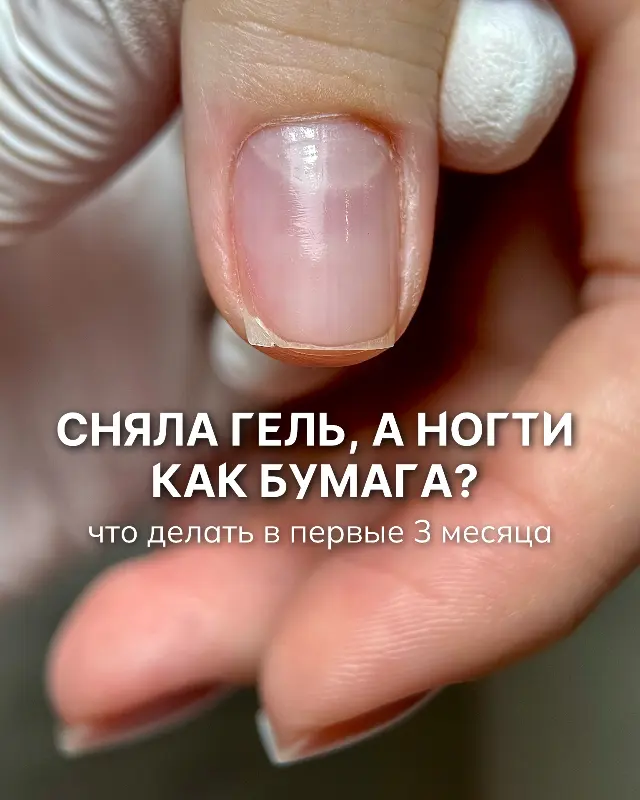
 How to Repair and Care for Weak Nails After Gel Removal
#Nail Maintenance
1 ideas
How to Repair and Care for Weak Nails After Gel Removal
Get new #Nail Maintenance ideas by email
Every Thursday: the week's best ideas, with the newest from #Nail Maintenance.
Related tags
Nail Maintenance: Keep Your Nails Healthy and Neat
What nail maintenance means
Nail maintenance is the regular care that keeps your fingernails and toenails clean, smooth, comfortable, and less prone to breakage. It includes trimming, filing, moisturizing, gentle cleaning, and paying attention to the skin around the nails. Good maintenance is not about making your nails look perfect all the time; it is about keeping them healthy and manageable.
Your nails grow from the nail matrix under the skin at the base of the nail. As they grow outward, they can become dry, split, rough, or damaged by everyday tasks. Water, soap, cleaning products, and repeated tapping or picking can all take a toll. A simple routine helps protect the nail plate and the surrounding skin.
Basic care for everyday nails
Read more
Start with clean, dry nails. Wash your hands regularly, but avoid soaking them for long periods, since frequent soaking can leave nails softer and more likely to peel. After washing, dry carefully, especially around the tips and under the nails.
Trim nails regularly if you like them short. Use clean nail scissors or clippers and cut straight across, then soften the edges with a fine file. Filing in one direction is usually gentler than saw-like back-and-forth motions. If your nails are already weak, keep them a little shorter to reduce snagging and splitting.
Moisturizing matters. Hands, cuticles, and nails all benefit from a simple hand cream or oil applied after washing and before bed. Dry skin around the nails can lead to hangnails, so keeping the area soft can make a noticeable difference.
Cuticle care and safe habits
The cuticle is the thin skin that helps protect the nail base. It is best to treat it gently. Rather than cutting the cuticle, soften it after bathing or washing and gently push it back only if needed. Cutting too much can increase the risk of irritation or infection.
Try to avoid biting your nails or picking at polish, rough edges, or hangnails. These habits can damage the nail surface and surrounding skin. If a hangnail appears, trim it carefully with clean tools instead of pulling it.
Protect your nails during chores. Wearing gloves while washing dishes, cleaning, or gardening can help reduce drying and accidental damage. Nails often suffer from daily friction more than from special occasions.
Common nail types and concerns
Some nails are naturally soft, some are thick, and some tend to grow with ridges or slight curves. Small changes in texture are often normal, especially with age or repeated wear. What matters most is noticing sudden changes, such as discoloration, pain, swelling, lifting, or a nail that breaks repeatedly in the same place.
If you wear polish or artificial enhancements, give your nails breaks when needed and keep the surface moisturized. After removal, be especially gentle: avoid aggressive filing, heavy buffing, or using nails as tools. Let weak nails recover by keeping them short and protected.
Simple routine to follow
- Clean nails regularly and dry them well.
- Trim and file them before they get rough or snagged.
- Moisturize hands, nails, and cuticles often.
- Wear gloves for wet work and harsh tasks.
- Avoid biting, picking, and using nails to open things.
- Watch for persistent changes and seek professional advice if something seems unusual.
With steady care, nail maintenance becomes easy to fit into daily life. A few small habits can keep your nails looking neat and feeling more comfortable over time.
#Nail Maintenance: frequently asked questions
How do I start a simple nail maintenance routine?
Begin with the basics: keep nails clean and thoroughly dry, trim and file them before they snag, and moisturize your hands, nails and cuticles regularly. Wearing gloves for wet or harsh chores and avoiding biting or picking rounds out the routine. The goal is consistency rather than perfection, so a few small habits repeated daily work better than an occasional elaborate session.
What do I actually need to look after my nails at home?
A clean pair of nail scissors or clippers, a fine file, and a simple hand cream or oil will cover most of it. A pair of gloves for dishwashing, cleaning and gardening is just as useful, since drying and friction cause a lot of everyday damage. You do not need a large kit of specialized products to keep nails comfortable and neat.
Should I cut my cuticles as part of nail care?
It is generally gentler to leave the cuticle intact, since that thin skin helps protect the base of the nail. Soften it after washing or bathing and push it back only if needed, rather than trimming it away. Cutting too aggressively can irritate the area and make it easier for problems to develop.
How should I care for weak nails after removing gel polish?
Treat them gently once the product is off: keep them a little shorter to reduce snagging, moisturize the surface and surrounding skin often, and skip aggressive filing or heavy buffing. Avoid using your nails as tools while they recover, and give them a break from polish or enhancements when they feel fragile. Patience and protection do more for weak nails than any single product.
What are the most common nail maintenance mistakes?
Soaking hands for long periods, filing with a sawing back-and-forth motion, cutting cuticles too short, and picking or biting at polish and hangnails are frequent culprits. Using nails to open packaging or scrape things off also causes more wear than people expect. Another common oversight is ignoring sudden changes such as discoloration, pain, swelling or repeated breaks in the same spot, which are worth having looked at professionally.
Videos come from YouTube and posts from Instagram; titles and summaries are our own. All rights belong to their creators.