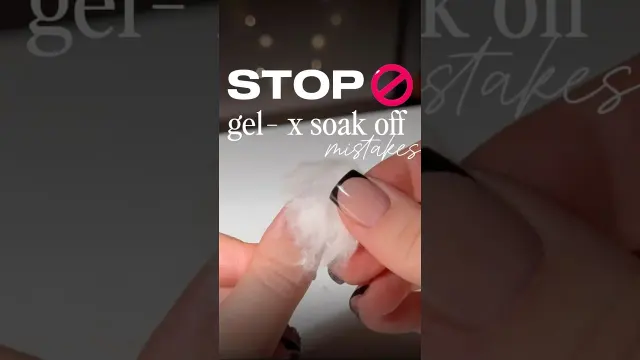
 Four Common Mistakes to Avoid When Removing Gel-X Nails
#Nail Removal
1 ideas
Four Common Mistakes to Avoid When Removing Gel-X Nails
Get new #Nail Removal ideas by email
Every Thursday: the week's best ideas, with the newest from #Nail Removal.
Related tags
How to Remove Nails Safely: A Beginner's Guide
Nail removal is the step that decides whether a manicure ends well or leaves your nails thin, dry and peeling for weeks. It sounds simple — get the product off — but the way you take it off matters as much as the way it went on. Whether you are removing ordinary polish, a gel manicure, acrylic extensions, dip powder or press-on tips, the same principle applies: products are designed to be dissolved or filed away, not torn away.
Why the Method Matters
The visible nail plate is only the surface. Underneath it, layers of keratin sit on a nail bed rich in blood vessels and nerves, and the seal where nail meets skin protects both from irritation and infection. Pulling, picking or prying lifts layers of keratin with the product, and that thinning is what makes nails feel soft, bend too easily or flake at the edges. Gentleness is not a luxury here; it is the whole technique.
The Main Kinds of Removal
Read more
- Standard polish: a solvent-based remover on a cotton pad, held against the nail for a few seconds, then wiped from base to tip.
- Gel and dip powders: usually softened first — either by soaking in acetone or by wrapping each nail in foil or a clip — then gently pushed away with a wooden or silicone tool.
- Acrylics and hard gel: normally thinned by filing before soaking; thick enhancements are best handled by a professional.
- Press-ons and adhesive tabs: warm soapy water or a little oil loosens the bond, so the tip can be eased off rather than levered.
- Nail wraps and stickers: warm water and oil, or a gentle adhesive remover, usually do the work.
What Beginners Should Know
File the glossy top layer very lightly before soaking — a broken seal lets the solvent in and shortens the soak. Never use metal tools to scrape; a wooden stick or rubber cuticle pusher is far kinder. If you use acetone, keep the room ventilated, avoid the skin around the nail, and follow the product's directions. Do not peel or bite off anything that has not loosened, and never force a soak by leaving solvent on far longer than instructed.
Patience replaces force. If a product will not budge after a reasonable soak, stop, put oil on your hands, and try again later or book a professional removal.
Afterwards
Wash your hands, then apply a rich hand cream or cuticle oil and give the nails a few days without product. Trim them straight across and smooth the edges with a fine file. Slight dryness and peeling right after removal is common and usually settles as the nail grows out.
Treat nails as a slow-growing material. If a nail looks discoloured, lifts from the bed or feels painful, leave it alone and have a professional look at it rather than covering it up with more product.
#Nail Removal: frequently asked questions
What is the first step when removing a gel or dip manicure at home?
Lightly file the glossy top surface to break the seal, then soak each nail in acetone or wrap it in foil or a clip for the duration the product directions call for. Only once the product has clearly softened should you ease it away with a wooden or silicone tool.
What should I use instead of a metal scraper when taking off gel or dip powder?
A wooden cuticle stick or a soft silicone pusher is far gentler on the nail plate than any metal tool. Metal scrapers can gouge the thin layers of keratin beneath the product, leaving the nail feeling soft, bendable, and prone to peeling for weeks.
What is the most common mistake people make when removing nail products?
Peeling, picking, or prying the product off before it has fully loosened is the most damaging habit, because it tears away natural keratin together with the polish or gel. Patience and a proper soak or softening step always come first; if the product still will not budge, stop, oil your hands, and try again later rather than forcing it.
How should I care for my nails right after a removal?
Wash your hands, then massage on a rich hand cream or cuticle oil and leave the nails completely bare for a few days before applying any new product. Trim the free edge straight across and smooth it with a fine file so the nail can regrow evenly without snags.
Do acrylic or hard-gel extensions need to be removed by a professional?
Thick acrylic or hard-gel enhancements are best left to a trained technician, since they usually have to be filed down before soaking and can easily split or tear the natural nail if handled roughly at home. If the nail looks discoloured, lifts from the bed, or feels uncomfortable after any removal, have a nail professional inspect it rather than covering it with more product.
Videos come from YouTube and posts from Instagram; titles and summaries are our own. All rights belong to their creators.