 A Day Exploring Neapolitan Tailoring in Naples
#Naples
3 ideas
A Day Exploring Neapolitan Tailoring in Naples
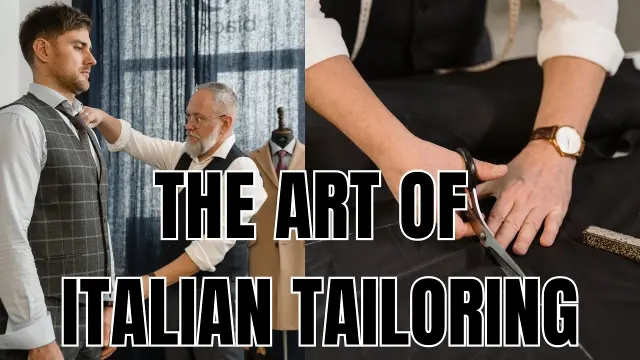 Regional Differences in Italian Tailoring Styles
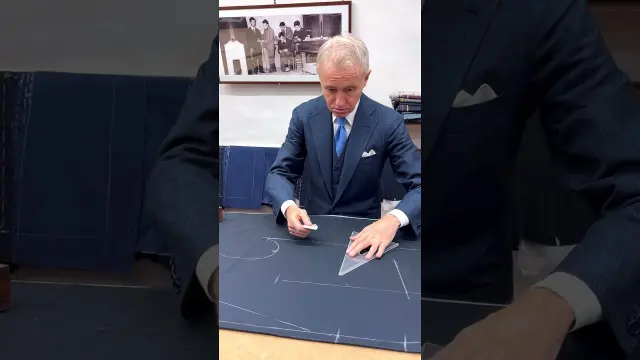 Hand-Cutting a Neapolitan Bespoke Suit in Italy
Get new #Naples ideas by email
Every Thursday: the week's best ideas, with the newest from #Naples.
Related tags
Neapolitan Tailoring and Style
Neapolitan tailoring comes from Naples in southern Italy, where tailoring grew around a climate, city life, and a preference for ease over formality. It is best known for soft construction, comfort, and a natural silhouette that feels elegant without looking stiff. If you are interested in classic menswear, this is one of the most influential regional tailoring traditions in Italy.
What makes it distinctive
At its core, Neapolitan tailoring aims to follow the body rather than control it. Compared with heavier, more structured tailoring, it usually feels lighter and more flexible. The shoulder is often soft and unpadded, the chest is shaped but not rigid, and the overall line is relaxed. This gives the garment movement and a sense of ease.
A Neapolitan jacket is often associated with details that support comfort and fluidity:
- Soft shoulders with little or no padding
- A lighter canvas and less internal structure
- A close but unforced fit
- A natural drape through the torso
- Often more casual details than formal northern tailoring
Read more
These features do not make the style informal in a careless way. Instead, they create a refined look that feels effortless.
Where it comes from
Tailoring in Naples developed in response to local needs and taste. The warmer climate encouraged lighter clothing, and the city’s artisans refined methods that reduced weight while preserving shape. Over time, this approach became a recognized style of its own, admired for its balance of craftsmanship and ease.
Neapolitan tailoring is part of a broader Italian tailoring tradition, but it stands apart for its softer construction and expressive but restrained character. It is often seen as a style that values movement, personality, and wearability.
Common techniques and details
If you are looking closely at a Neapolitan jacket, you may notice:
- The “spalla camicia,” or shirt-like shoulder, which creates a more natural line
- Hand-finished details that help the garment sit smoothly
- A lighter chest construction that avoids bulk
- Patch pockets or other relaxed elements, depending on the maker and occasion
Not every Neapolitan garment uses all of these features, but together they help define the style. The result is usually less formal than a heavily structured suit, yet still polished.
What beginners should know
If you are new to Neapolitan tailoring, start by paying attention to fit rather than labels. A good piece should let you move comfortably, sit naturally on the shoulders, and feel balanced when worn. The style is often most flattering when it is not too tight, because its charm comes from ease and proportion.
It also helps to remember that Neapolitan tailoring is not one single formula. Different makers interpret it in different ways, from very soft and relaxed to slightly more structured versions. That variety is part of its appeal.
How to wear it
Neapolitan tailoring works well in many settings, especially when you want to look polished without feeling overdressed. It pairs naturally with shirts, knitwear, and soft ties, but it can also be worn in a more relaxed way. The key is to keep the rest of the outfit balanced so the tailoring remains the focus.
If you appreciate clothing that combines craftsmanship, comfort, and character, Neapolitan tailoring is a style worth understanding.
#Naples: frequently asked questions
How do I choose the right Neapolitan tailoring style for me?
Start with how the garment feels on your body rather than how formal it looks on a hanger. If you want comfort and a natural shape, look for soft shoulders, lighter construction, and an easy drape that still keeps a clean line.
What should a Neapolitan jacket fit like?
It should sit smoothly on the shoulders and follow your shape without feeling tight or stiff. The best fit feels balanced, allows movement, and keeps the silhouette relaxed but polished.
What details are most common in Neapolitan tailoring?
You will often see soft, shirt-like shoulders, minimal padding, and lighter internal structure. Many pieces also use relaxed touches such as patch pockets or other details that make the jacket feel less rigid.
How do I care for a Neapolitan jacket or suit?
Treat it gently so the soft construction keeps its shape. Hang it properly after wear, let it rest between uses, and avoid rough handling that can flatten the drape or strain the fabric.
What mistakes should I avoid when wearing Neapolitan tailoring?
A common mistake is choosing a piece that is too tight, which works against the easy silhouette this style is known for. Another is pairing it with overly stiff or formal items, which can clash with its relaxed elegance.
Videos come from YouTube and posts from Instagram; titles and summaries are our own. All rights belong to their creators.