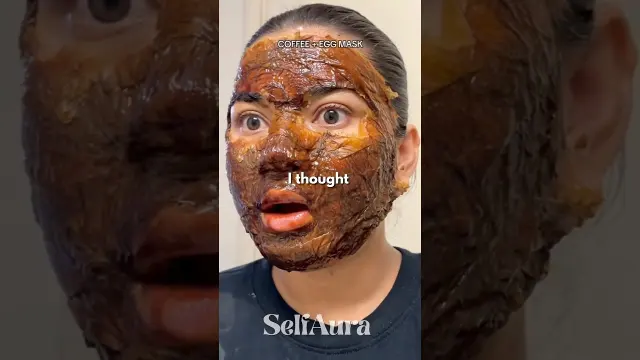
 DIY Homemade Face Mask for Soft and Glowing Skin
#Natural Glow
1 ideas
DIY Homemade Face Mask for Soft and Glowing Skin
Get new #Natural Glow ideas by email
Every Thursday: the week's best ideas, with the newest from #Natural Glow.
Related tags
Natural Glow: A Simple Guide to Radiant Skin
A natural glow is the look of skin that seems lit from within: soft, even, slightly luminous, and still recognisably yours. It is less a single technique than an attitude — the deliberate choice to work with your skin rather than mask it. The idea grew alongside a broader shift in beauty culture, away from heavy coverage and towards skin that looks healthy and unretouched. What began as a styling preference has become a way of thinking about daily care: gentle, consistent, and unhurried.
Where the look comes from
For much of beauty history, radiance meant powder, buffing and careful artifice. The modern version borrows the same vocabulary of light — sheen on the cheekbone, a soft highlight on the brow — but applies it to skin that has been looked after rather than concealed. Part of its appeal is that it asks for patience instead of products: the glow is the visible trace of ordinary habits repeated over time.
The foundation: care before colour
Read more
Most of the effect comes from the skin itself. A simple routine of cleansing, moisturising and daily sun protection does more for your appearance than any finishing product. Cleansing should be gentle enough that skin does not feel tight afterwards; moisturiser should suit your skin type rather than the season's marketing. Sun protection matters year-round, in cloudy weather as much as sunshine, and is the single most reliable way to keep skin looking even over the years.
Exfoliation helps smooth the surface so light reflects more evenly, but it rewards restraint. Once or twice a week with a mild product is plenty for most people; more tends to leave skin irritated rather than brighter. Hydration — both moisturising on the outside and drinking water — supports plumpness, though no drink will transform your skin overnight.
Gentle extras
Simple homemade treatments can be pleasant rituals. A mask of plain yoghurt, honey or finely ground oats, left on for ten minutes and rinsed with lukewarm water, is a gentle way to soften skin. Always patch-test anything new on your inner arm first, and skip anything that stings, tingles sharply or leaves skin red.
Rest, movement and a varied diet show on the face more than most people expect, and stress shows fastest of all. None of this is a cure for anything; it is simply the backdrop against which skin looks its best.
Making it visible with makeup
The makeup version of a natural glow is mostly a matter of restraint. Start with skin that is moisturised, then use a light base only where you need it rather than all over. Cream products — a little blush, a touch of highlighter on the high points of the face — melt into skin and look softer than powders. Keep the rest quiet: groomed brows, a wash of colour on the lips, mascara if you like it.
If you are just starting
Choose three things and do them consistently: cleanse gently, moisturise, protect from the sun. Resist adding steps faster than you can keep them up. Photograph your skin in the same light once a month rather than studying it daily — progress is slow and easier to see in hindsight. The aim is not perfection but a face that looks rested, comfortable and cared for, which is what a glow really is.
#Natural Glow: frequently asked questions
How do I start working towards a natural glow?
Begin with three habits you can keep up: cleanse gently, moisturise, and wear sun protection every day. Resist the urge to add steps faster than you can sustain them, since the effect comes from repetition over time rather than from a long routine. Photograph your skin in the same light once a month so you can see slow progress.
What do I actually need to get glowing skin?
Less than most product shelves suggest: a mild cleanser that doesn't leave skin tight, a moisturiser suited to your skin type, and daily sun protection in all weather. Everything else is optional. A gentle exfoliant used occasionally and a simple homemade mask are pleasant extras rather than requirements.
Which kind of glow should I choose, or does the type of product matter?
There isn't a single correct version — the aim is skin that still looks like yours, only softer and more even. In makeup terms that usually means a light base used only where needed and cream products, such as a little blush or highlighter on the high points of the face, which blend in more softly than powders. Choose textures that suit your skin rather than following whatever is currently being promoted.
How should I care for my skin day to day to keep the glow?
Keep cleansing gentle enough that your face doesn't feel tight afterwards, and moisturise both to soften the surface and to support plumpness. Exfoliate only once or twice a week with a mild product, because overdoing it tends to irritate skin instead of brightening it. Rest, movement, a varied diet and managing stress all show on the face more than people expect.
Can I make a glow-boosting treatment at home?
Yes — a simple mask of plain yoghurt, honey or finely ground oats left on for about ten minutes and rinsed with lukewarm water is a gentle way to soften skin. Patch-test anything new on your inner arm first, and stop using anything that stings, tingles sharply or leaves skin red. Treat it as a soothing ritual rather than a fix.
What are the common mistakes people make when chasing a glow?
The usual ones are exfoliating too often, layering on many steps at once, and covering skin with heavy base instead of letting it show. Another is expecting a fast result — studying your skin daily makes slow progress look like none at all. Keep the routine small, be patient, and remember the goal is a face that looks rested and cared for, not flawless.
Videos come from YouTube and posts from Instagram; titles and summaries are our own. All rights belong to their creators.