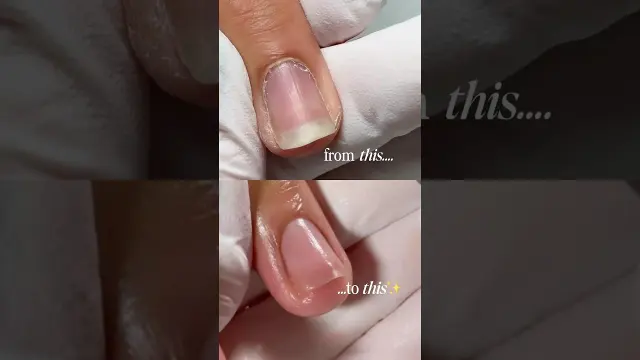
 Natural Nail Preparation Tutorial for Clean Cuticles
#Natural Nails
4 ideas
Natural Nail Preparation Tutorial for Clean Cuticles
 Essential Natural Nail Prep Steps for DIY Manicures
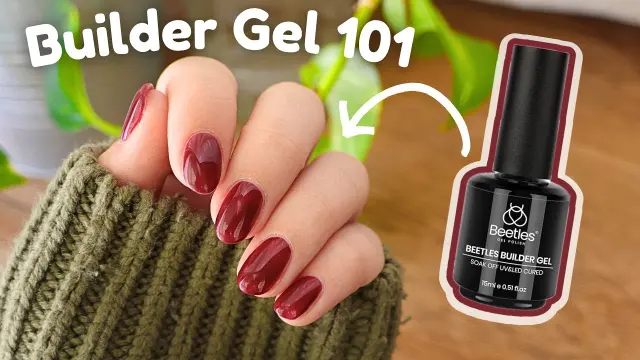 Applying a Builder Gel Overlay on Short Natural Nails
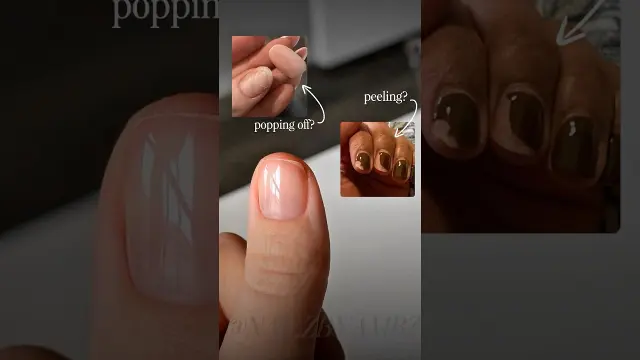 Effective Nail Prep Routine to Stop Gel Lifting
Get new #Natural Nails ideas by email
Every Thursday: the week's best ideas, with the newest from #Natural Nails.
Related tags
Natural Nails: A Simple Guide to Care and Strength
Your natural nails are a small detail that says a lot, and looking after them is less about products than about steady habits. Whether you keep them bare and buffed or use them as a base for polish, gel or extensions, a healthy nail plate makes everything easier and lasts longer.
What you are actually caring for
A nail is mostly keratin, the same protein that makes up your hair. The visible part is the nail plate, which grows from the matrix tucked behind your cuticle. That growth is slow, and it means today's nail was shaped by the last few months of how you treated your hands. Once a nail plate is damaged, you cannot repair it — you can only protect it while new growth comes through. That is the single most useful thing to understand, because it turns nail care from a quick fix into a routine.
The basics that matter most
Read more
Filing is where most damage happens. Work on dry nails rather than straight out of the bath: wet nails swell and soften, so they bend and tear more easily while you work, then shrink back as they dry. Use a fine file and move in one direction rather than sawing back and forth, which causes the layers of the plate to peel apart at the tip. A gentle, even stroke at the free edge is all it takes to keep the shape.
Keep your nails dry and your hands moisturised. Nails absorb water and swell, then shrink as they dry, and that constant cycling weakens them. Wear gloves for washing up and cleaning, and massage hand cream or cuticle oil into the nail and surrounding skin regularly, especially after contact with water.
Leave your cuticles alone. That thin rim of skin seals the space between nail and finger, keeping out dirt and irritation. Pushing it back gently is fine; cutting it opens the door to soreness and infection. If you want a tidy look, soften the cuticles first and use a wooden or rubber-tipped pusher.
Choosing what goes on top
Bare nails need little more than a buffer and a coat of clear strengthener if you like a finished look. Regular polish gives colour and a layer of protection but needs a gentle remover, and acetone-free options are kinder to the nail surface.
Gel and builder overlays offer durability and shape, and they have made natural nails a popular base for structured manicures. The catch is preparation and removal. A well-prepped nail — clean, lightly buffed, with the cuticle area left intact — helps any overlay stay put without lifting. Never peel or pick an overlay off; that takes layers of your own nail with it. Have it soaked and removed properly, or learn the soaking method if you do it yourself.
Habits that pay off
- Keep nails slightly shorter than you think you need; length is where breaks begin.
- Use your knuckles, not your nails, to open cans and peel labels.
- Take breaks between long stretches of gel or acrylics to let the natural plate recover.
- Treat nails as a signal, not a diagnosis: ridges, spots and slow growth are usually harmless, but changes that persist or come with pain are worth showing to a professional.
With patience, natural nails grow into something you are happy to show off.
#Natural Nails: frequently asked questions
How do I start taking care of my natural nails at home?
Start with simple habits: keep nails clean and dry, file them gently in one direction, and moisturize your hands and cuticles regularly. If you like a neat finish, you can add a clear coat or strengthener, but the biggest difference usually comes from consistent care.
What do I need for a basic natural nail care routine?
A fine nail file, a buffer, hand cream, and cuticle oil are the main essentials. If you wear polish or overlays, also use a gentle remover and tools that let you push back cuticles softly without cutting them.
Should I keep my natural nails bare, polished, or use gel or builder overlays?
Bare nails are the simplest option and need the least upkeep, especially if you prefer a natural look. Regular polish adds color and a little protection, while gel or builder overlays are better if you want more durability and shape, as long as they are applied and removed properly.
How can I make my natural nails stronger and less likely to break?
Keep them a little shorter, avoid using them as tools, and protect them from too much water and cleaning products. Moisturizing often and filing carefully when the nails are dry also helps prevent splitting and peeling.
What are the most common mistakes people make with natural nails?
Filing back and forth, cutting cuticles, and peeling off polish or overlays are some of the biggest mistakes. Another common one is letting nails stay wet for too long, which can make them weaker over time.
Videos come from YouTube and posts from Instagram; titles and summaries are our own. All rights belong to their creators.