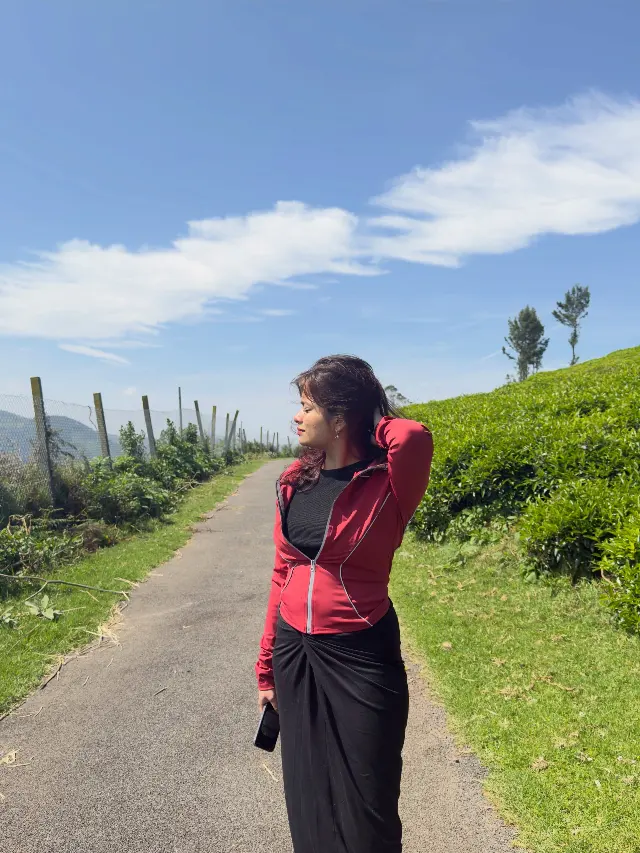
 Peaceful moments surrounded by nature and beautiful scenery
#Nature Love
1 ideas
Peaceful moments surrounded by nature and beautiful scenery
Get new #Nature Love ideas by email
Every Thursday: the week's best ideas, with the newest from #Nature Love.
Related tags
Nature Love: A Guide to Reconnecting with the Outdoors
Nature love is the quiet pull you feel toward trees, water, open sky and the small living things that share your street. It is less a hobby than a disposition: a habit of noticing. Some people meet it on a mountain, others on a balcony with three pots of herbs. Both count.
The idea has deep roots. Cultures everywhere have treated the natural world as a source of healing, instruction and belonging, and writers, painters and poets have long described the particular calm that arrives when you step outside. In recent generations, as more of us live in cities, that relationship has become something people cultivate deliberately rather than inherit, which is why it now gathers under a hashtag as much as it does under a favourite walking path.
What it looks like in practice
Nature love is not one activity. It appears as birdwatching and gardening, foraging walks and photography, wild swimming and slow rambles with no destination. Some people keep journals of what they see; others plant a strip of wildflowers and let it be untidy on purpose. You might find yourself learning the names of trees, following the same patch of woodland through a whole year, or simply sitting somewhere green for ten minutes without a screen.
Read more
What ties these together is attention. Nature responds to being watched closely — the more you look, the more you find.
Getting started
You do not need equipment, distance or expertise. Begin where you are. Learn five plants that grow near your door. Sit still long enough for the birds to forget you. Walk the same route weekly and notice what changes.
A few practical things help. Dress for the weather rather than waiting for it to be perfect, since cold hands end more outings than rain does. Tell someone where you are going when you head somewhere remote, and check tide times and forecasts before you commit. Carry out what you carry in, keep to paths where they exist, and leave flowers, stones and nests where they belong — the pleasure of a place depends on everyone doing this.
If you are drawn to foraging, go with someone experienced or a good field guide, and never eat anything you cannot identify beyond doubt. Mushrooms in particular deserve real caution.
A relationship, not a performance
The loveliest thing about nature love is that it asks nothing of you. You do not have to travel far, photograph well or know the Latin names. You only have to be willing to slow down and let the outdoors be ordinary — a lunch break under a tree, a walk in the rain, the weed pushing through a crack in the pavement.
Start small, keep it regular, and let curiosity do the rest.
#Nature Love: frequently asked questions
How do I start with nature love if I live in a city?
Begin right where you are rather than waiting for a trip to the countryside — a balcony, a window box, a park bench or a walk around the block all work. Pick one small habit, like learning the plants that grow near your door or sitting outside without a screen for a few minutes, and repeat it. Regularity matters far more than distance or equipment.
What do I actually need to begin?
Almost nothing — comfortable clothes you don't mind getting wet or muddy, suitable shoes, and a willingness to slow down. If you want to go further, a simple field guide helps you put names to what you see, and a notebook is useful for jotting down what changes from week to week. Skip the gear shopping until you know what you enjoy.
Which kind of nature activity should I choose?
Follow whatever already catches your attention: gardening if you like tending things, birdwatching if you like waiting and watching, foraging walks or photography if you like a purpose to your wanderings. The activities people stick with are the ones that suit their temperament, not the ones that sound most impressive. It is also fine to have no activity at all and simply walk.
How do I care for the wildlife and places I visit?
Carry out whatever you carry in, stay on paths where they exist, and leave flowers, stones and nests where you found them. Tell someone where you are going when you head somewhere remote, and check forecasts and tides before you commit to a plan. A place stays lovely only because everyone treats it that way.
What should I know before trying foraging?
Go with someone experienced or take a reliable field guide, and never eat anything you cannot identify beyond doubt. Mushrooms in particular deserve real caution, since mistakes there are serious. The point of foraging is learning to see what is around you, so there is no need to rush into eating anything.
What mistakes do beginners make?
The most common is waiting for perfect weather or a free weekend instead of going out now — dressing for the cold and rain ends far fewer outings than hands that got too chilly. Another is treating it as a performance, chasing good photographs or Latin names before enjoying the simple act of noticing. Start small, keep it regular, and let curiosity do the rest.
Videos come from YouTube and posts from Instagram; titles and summaries are our own. All rights belong to their creators.