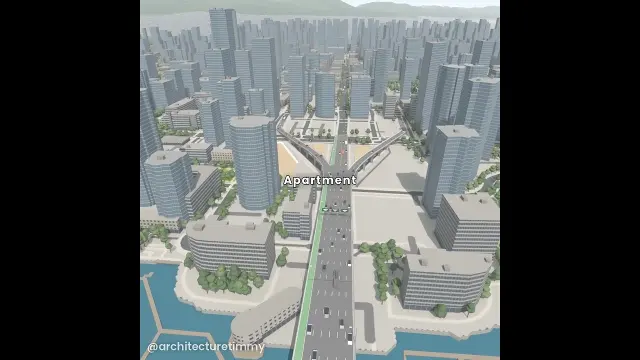
 The Neo-Futurist Design of Vancouver House
#Neo-Futurism
1 ideas
The Neo-Futurist Design of Vancouver House
Get new #Neo-Futurism ideas by email
Every Thursday: the week's best ideas, with the newest from #Neo-Futurism.
Related tags
Neo-Futurism: Design with a Forward Look
What neo-futurism is
Neo-futurism is a design approach that looks toward the future through fluid shapes, inventive structures, and a sense of movement. It appears most often in architecture, product design, interiors, fashion, and digital art. Rather than copying historical styles, neo-futurism imagines what built spaces and objects could become when form, function, and technology work closely together.
The style is usually associated with smooth curves, striking silhouettes, organic lines, and a sculptural quality. It often gives the impression that a building, room, or object is in motion, even when it is still. That sense of energy is one of the reasons neo-futurism feels modern and imaginative.
Where it comes from
Read more
Neo-futurism draws from the broader history of futurist thinking in art and design, where speed, progress, and machine-age optimism were central ideas. Over time, newer materials, digital tools, and computer-based design methods allowed designers to explore shapes that were once difficult to imagine or build. Neo-futurism grew from this mix of artistic ambition and technical possibility.
It is less a fixed school with strict rules and more a direction in design. Some neo-futurist work feels sleek and minimal, while other examples are dramatic, highly sculptural, or almost surreal. What they tend to share is a belief that design can express movement, innovation, and possibility.
Common characteristics
You may notice several recurring features in neo-futurist work:
- flowing, curving forms
- asymmetry and dynamic lines
- smooth surfaces and refined edges
- a sense of lightness or motion
- strong use of glass, metal, concrete, or other modern materials
- open space and dramatic spatial composition
In interiors, neo-futurism often appears through sculptural furniture, curved walls, indirect lighting, and a clean palette that lets the form of the space stand out. In fashion, it may show up as sharp silhouettes, experimental cuts, and materials that feel sleek or engineered.
How to recognise it and use it
If you are looking at a neo-futurist design, ask yourself whether it seems to move visually, whether the structure feels expressive rather than purely practical, and whether technology or material innovation seems important to the overall effect. The style often balances utility with imagination.
If you want to bring a neo-futurist feeling into your own space or creative work, start with one strong form rather than many competing details. A curved chair, a sculptural lamp, or a boldly shaped architectural element can create the mood without overwhelming the whole composition. Keep surrounding elements relatively simple so the main shape can breathe.
Tips for beginners
- Focus on shape first, decoration second.
- Use a restrained colour palette if you want the structure to stand out.
- Mix smooth, reflective, or polished surfaces with softer materials for balance.
- Think about light, since neo-futurist forms often look best when shadows and highlights define them.
- Avoid adding too many ornate details, which can weaken the clean, forward-looking feel.
Neo-futurism works best when it feels confident but not cluttered. It invites you to imagine the future not as something cold or distant, but as something elegant, expressive, and beautifully designed.
#Neo-Futurism: frequently asked questions
How do I start bringing neo-futurism into my home?
Begin with a single strong shape — a curved chair, a sculptural lamp, or a boldly shaped architectural feature — rather than filling the room with competing statement pieces. Let that form carry the mood, and keep everything around it quiet so it has room to breathe. Shape comes before decoration in this style.
What do I need to get the neo-futurist look right?
You mainly need restraint: a limited colour palette, smooth or reflective surfaces such as glass, metal, or polished concrete, and thoughtful lighting that lets shadows and highlights define the forms. Mixing in softer materials keeps the space from feeling cold. Ornate detailing is the thing to leave out.
Which version of neo-futurism should I choose for my space?
It helps to decide between a sleek, minimal reading and a more dramatic, sculptural one, since both belong to the style but set very different moods. A minimal approach suits calm residential rooms, while a highly sculptural approach works better where the design itself is meant to be the focal point. Pick the direction that matches how much visual energy you want the room to have.
How do I keep a neo-futurist interior looking its best over time?
Because the style depends on clean edges and unbroken surfaces, regular dusting and gentle care of reflective finishes matter more than in busier interiors, where small marks go unnoticed. Keep the palette and the surrounding objects as simple as they were on the first day, and avoid layering in decorative clutter later. Good lighting should be maintained too, since form is read through light.
Can neo-futurism work for a celebration or a styled occasion?
Yes — the style translates well into event settings through sculptural backdrops, curved furniture, and lighting that emphasises shape rather than ornament. Keep to a restrained palette and a few strong forms so the space reads as elegant instead of theatrical. The same rule applies as at home: let the silhouette do the work.
What are the common mistakes people make with neo-futurism?
The most frequent one is adding too many ornate or competing details, which weakens the clean, forward-looking feel the style depends on. Another is treating it as pure decoration and ignoring function or material — the look works best when form, purpose, and technology feel like they belong together. Ignoring light is a third, since these shapes only come alive with shadows and highlights.
Videos come from YouTube and posts from Instagram; titles and summaries are our own. All rights belong to their creators.