 Jaw Tension Relief With Two Gentle Nervous System Reset Techniques
#Nervous System
5 ideas
Jaw Tension Relief With Two Gentle Nervous System Reset Techniques
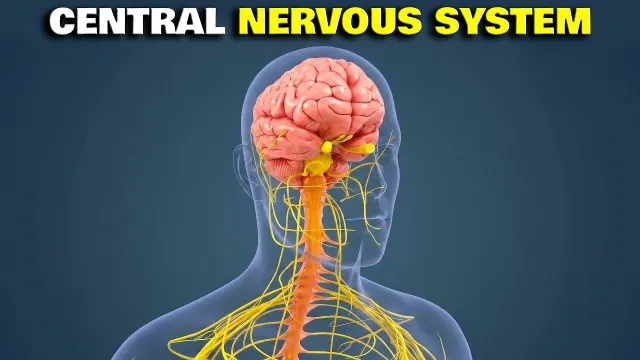 Central Nervous System Structure and Function 3D Animation
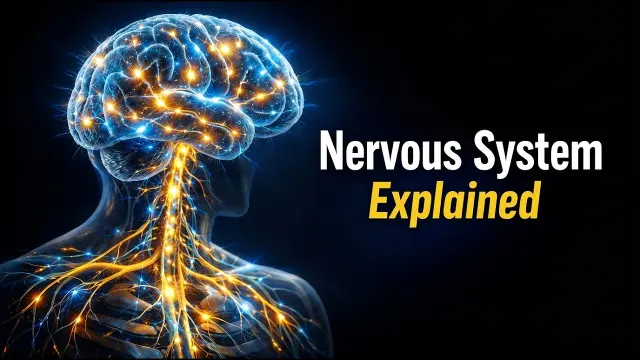 The Nervous System Explained Simply With Brain, Neurons and Signals
 The Psychology of People Who Feel Deeply
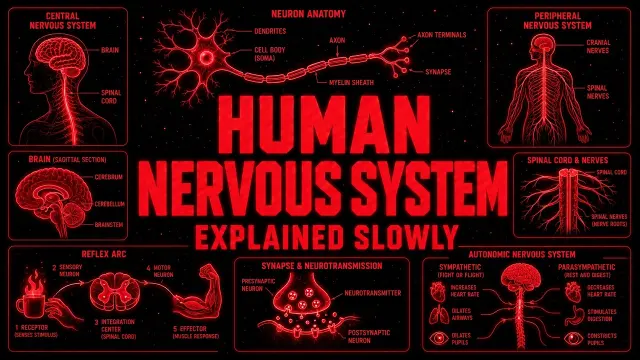 Literally Everything About The Human Nervous System Explained Slowly
Get new #Nervous System ideas by email
Every Thursday: the week's best ideas, with the newest from #Nervous System.
Related tags
Understanding the Nervous System
What the nervous system is
The nervous system is your body’s communication network. It carries signals between the brain, the spinal cord, and the rest of the body, helping you move, sense, think, react, and rest. It also plays a key role in automatic functions such as breathing, digestion, heartbeat, and body temperature.
It is usually divided into two main parts: the central nervous system and the peripheral nervous system. The central nervous system includes the brain and spinal cord. The peripheral nervous system includes the nerves that branch out through the body and connect everything back to the central system.
Main parts and functions
Read more
The nervous system does many jobs at once. It helps you notice the world through sight, sound, touch, taste, and smell. It also helps you process information, make decisions, remember things, and coordinate movement.
A helpful way to understand it is through two broad modes:
- The voluntary system, which controls actions you choose, such as walking or writing.
- The involuntary system, which manages automatic processes you do not need to think about.
The involuntary system is often described as having two branches:
- The sympathetic branch, which prepares the body for action and alertness.
- The parasympathetic branch, which supports rest, recovery, and digestion.
What beginners should know
The nervous system is sensitive to both physical and emotional strain. Sleep, regular movement, balanced meals, hydration, and periods of quiet can all support healthy function. A nervous system that is under strain may make you feel tense, restless, tired, or easily overwhelmed, though many different things can contribute to these feelings.
If you are trying to care for your nervous system, think in terms of steady habits rather than quick fixes. Simple routines often help more than occasional intense effort.
Practical ways to support it
- Keep a regular sleep routine when you can.
- Build in pauses during the day, especially if you spend long hours concentrating.
- Move your body in ways that feel sustainable, such as walking, stretching, or gentle exercise.
- Eat regular meals and drink enough water.
- Notice what helps you feel calmer, whether that is time outdoors, quiet, music, or breathing slowly.
- Reduce overload when possible by limiting constant noise, multitasking, and too much screen time.
Why it matters
A well-functioning nervous system helps you feel oriented, responsive, and connected to your surroundings. It shapes how you experience stress, comfort, energy, and focus. Learning the basics can make it easier to understand your body and respond to it with more care.
If you want to support your nervous system, start small. Consistency matters more than perfection, and gentle habits often create the most lasting balance.
Videos come from YouTube and posts from Instagram; titles and summaries are our own. All rights belong to their creators.