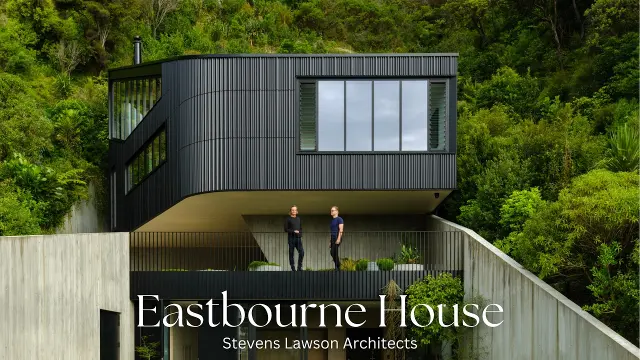
 Inside Eastbourne House: New Zealand Home of the Year
#New Zealand Architecture
1 ideas
Inside Eastbourne House: New Zealand Home of the Year
Get new #New Zealand Architecture ideas by email
Every Thursday: the week's best ideas, with the newest from #New Zealand Architecture.
Related tags
New Zealand Architecture: A Guide to Styles and Ideas
New Zealand architecture is a conversation between a young built culture and a very old landscape. It is the way homes, meeting houses, churches, schools and public buildings in Aotearoa New Zealand are designed and built, and it is shaped less by grand monuments than by modest buildings made for everyday life. Understanding it means looking at materials, climate and the way people choose to live, rather than memorising a list of famous names.
Where it begins
The first architecture of the country belongs to Māori. The wharenui — the carved meeting house — stands at the heart of an open marae, and it is a carefully ordered space: the porch, the doorway, the carved interior and the light entering from the front are all part of a structure that carries genealogy, story and welcome. The marae as a whole, with its courtyard, meeting house and dining hall, is architecture as community, and it remains a living tradition rather than a historical exhibit.
European settlement brought timber. New Zealand had abundant native forest and, later, plantations of introduced pine, so wood became the defining material of the country's buildings. The result is a national architecture of weatherboard, corrugated iron, verandas and light frames — buildings that could be put up quickly, added to over time and repaired by ordinary hands.
Read more
The main styles you will notice
Colonial and villa buildings are the familiar early streetscape: symmetrical fronts, a central door, a veranda and a hipped roof, often painted in soft colours. The bungalow followed, lower and wider, with a deep porch and a strong connection to the garden. State housing of the twentieth century gave the country some of its most carefully planned small homes, built to good standards of light and layout.
Modernism arrived as flat roofs, open plans and large windows, and it has never really left. Contemporary New Zealand architecture often returns to those ideas: simple rectangular forms, honest timber and concrete, deep eaves and a strong sense of shelter.
What to look for
Three themes run through almost everything. The first is climate: high rainfall, strong sun and wind mean roofs need generous overhangs, gutters need care, and materials must cope with moisture. The second is the outdoor room — the deck, the veranda, the courtyard — which is treated as part of the house. The third is modesty: the best local buildings tend to sit quietly in the landscape rather than dominate it.
Practical advice
If you are building or renovating, start with orientation and shelter. Place living spaces toward the sun, use eaves to control summer heat, and let cross ventilation do the work. Choose materials you can maintain honestly; timber that silvers and iron that weathers are part of the local language. Keep the plan simple and spend on the parts you touch every day.
Visit buildings rather than only looking at photographs, notice how a house feels in wind and rain, and take cues from both Māori approaches to land and community and from the practical timber tradition. Good architecture here is rarely about spectacle; it is about fitting well.
#New Zealand Architecture: frequently asked questions
How do I start learning about New Zealand architecture?
Begin with the buildings around you rather than with a list of famous designers — look at how a local house handles sun, wind and rain, and how the deck or veranda acts as an extra room. Visiting places in person, including a marae or a meeting house where you are welcomed, teaches you far more than photographs. From there you will start recognising the recurring local habits of timber, shelter and modesty.
What should I think about first when building or renovating in New Zealand?
Start with orientation and shelter before you think about finishes. Put living spaces toward the sun, use generous eaves to shade summer heat, and rely on cross ventilation instead of mechanical cooling wherever you can. A simple plan that spends its budget on the rooms you touch daily will serve you better than a complicated one with expensive details in places nobody notices.
Which style of New Zealand architecture should I choose?
There is no single right answer, but the local language rewards continuity: weatherboard, corrugated iron, timber frames and a deep veranda all belong to the place and age well. If you prefer something more contemporary, the flat roof and open plan tradition still works here when it is paired with proper overhangs and honest materials. Choose what suits your site and climate first, and let the style follow.
How do I care for a timber and iron New Zealand home?
Maintenance here is mostly about moisture and drainage, so keep gutters clear and check that water moves away from the walls and foundations. Timber that is allowed to silver and iron that develops a weathered patina are part of the local character, but both still need periodic inspection and repair rather than neglect. Repaint or re-fix small problems early, while they are still small.
What ideas work well for a deck, veranda or outdoor room?
Treat the outdoor room as genuinely part of the house rather than an afterthought — give it shelter from prevailing wind, some overhead cover for sun and rain, and a clear connection to the interior. A courtyard can be the better choice on a tight or exposed site, where it provides shelter on every side. The goal is a space you will actually use in poor weather, not just on the best days.
What are the common mistakes people make with architecture here?
The recurring ones are ignoring the climate and the site: too little eave, too much glass facing the wrong way, or a plan that fights the wind instead of sheltering from it. Another is chasing spectacle — a building that dominates its landscape usually feels wrong in New Zealand, where the best work sits quietly. Choosing materials you cannot realistically maintain is a third, and it catches up with you quickly in a wet, sunny, salty environment.
Videos come from YouTube and posts from Instagram; titles and summaries are our own. All rights belong to their creators.