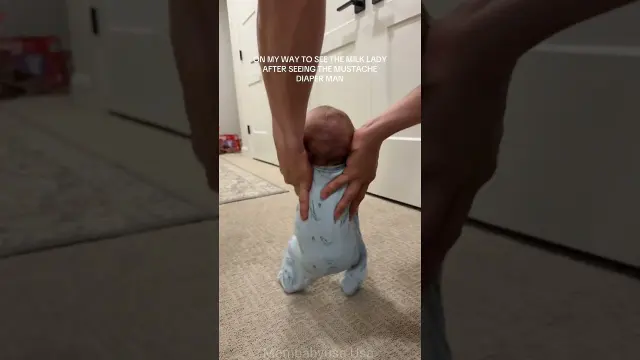
 Sweet moments of dad bonding with a newborn
#Newborn Baby
2 ideas
Sweet moments of dad bonding with a newborn
 Welcome to the world newborn baby boy
Get new #Newborn Baby ideas by email
Every Thursday: the week's best ideas, with the newest from #Newborn Baby.
Related tags
Newborn Baby: A Gentle Guide to the First Weeks
A newborn is a baby in the first weeks of life outside the womb, a stretch that most parents measure in days rather than months. Everything about this time is small and enormous at once: tiny fingers, enormous feelings, days that blur and nights that feel longer than they should. If you are holding a newborn or about to, know that the beginning is not a test you can fail. It is a season of learning, mostly by doing.
What your baby is like
Newborns sleep a great deal, in short stretches, and wake to feed. They see clearly only a short distance, roughly the space between your face and theirs during a cuddle, which is a lovely accident of nature. They startle easily, settle to familiar voices and rhythms, and communicate through crying, rooting, turning toward a hand, and quiet alert moments when their eyes are open and calm. Learning to read those small signals takes practice, and every baby writes them slightly differently.
Feeding and rest
Read more
Whether you feed by breast, by bottle, or a mix of both, the pattern is similar: often, on demand, and with plenty of pauses. Feedings are also where comfort, warmth and closeness happen, so take your time. Watch your baby rather than the clock. If you have questions about feeding, weight or how much is enough, your midwife, health visitor or doctor is the right person to ask, and asking early is always sensible.
Soothing and safe sleep
Crying is how newborns speak, and some crying in the evening is ordinary. Responsive holding, skin-to-skin contact, gentle movement, a calm voice and swaddling can all help a baby settle. For sleep, place your baby on their back on a firm, flat surface, keep the cot clear of soft bedding and toys, and keep the room at a comfortable temperature. Ask your health professional for the current safe-sleep guidance where you live and follow it closely.
Bonding, and everyone else
Bonding is not always a thunderbolt. It grows through nappies changed, bottles warmed, walks taken and hours simply sat with a sleeping baby on your chest. Partners, grandparents and friends can all take part: they can hold, burp, rock, cook and run errands. Let them. Accept help in whatever form it comes, and be honest about what you need.
Looking after yourself
Rest when you can rather than when the house is finished. Eat, drink water, and get outside for a few minutes of daylight if you are able. Speak up about how you are feeling, especially if the fog does not lift; support exists and it is not a weakness to use it. Your newborn needs you well far more than they need you perfect.
These first weeks pass more quickly than they feel. Photograph the small things, keep the notes, and let the rest be imperfect.
#Newborn Baby: frequently asked questions
How do I start caring for a newborn in the first days at home?
Start with the basics and let the rest wait: feed your baby on demand, keep them close, and rest whenever they rest. Learn their small signals, like rooting, turning toward your hand or quiet alert gazes, and respond to them rather than to a schedule. Expect it to feel like learning by doing, because that is exactly what it is.
What do I actually need to have ready for a newborn?
Far less than the shops suggest. A safe place to sleep on a firm, flat surface with a clear cot, feeding supplies for whichever way you feed, something to wear and change, and a car seat if you travel are the essentials. Comfort helps too, like a soft wrap, gentle bedding and a calm corner for night feeds, but you can add things as you discover what your baby likes.
How do I decide how to feed my baby?
Breast, bottle or a mix can all work, and the rhythm is similar either way: often, on demand and with pauses. Watch your baby rather than the clock, and treat feeding as closeness as much as nutrition. If you are unsure whether your baby is getting enough, ask your midwife, health visitor or doctor early rather than waiting.
What helps when my newborn cries and won't settle?
Crying is how newborns speak, and some evening crying is ordinary. Responsive holding, skin-to-skin contact, gentle movement, a calm voice and swaddling often help a baby settle. If you feel overwhelmed, put your baby safely down for a moment and take a breath, and ask your health professional about safe-sleep and soothing guidance where you live.
What if I don't feel instantly bonded to my baby?
Bonding is not always a thunderbolt, and it grows through ordinary care: nappies changed, bottles warmed, walks taken, hours spent with a sleeping baby on your chest. Partners, grandparents and friends can hold, burp, rock, cook and run errands, so let them. Accept help in whatever form it comes and be honest about what you need.
What mistakes do new parents most often make?
Trying to do it all while exhausted, and measuring themselves against an ideal rather than their own baby. Chasing a schedule instead of reading signals, and staying quiet about how they are feeling when the fog does not lift, are also common. Rest when you can rather than when the house is finished, ask when something worries you, and let the imperfect parts be imperfect.
Videos come from YouTube and posts from Instagram; titles and summaries are our own. All rights belong to their creators.