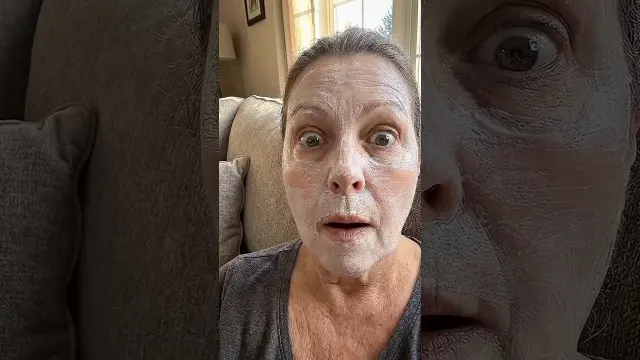
 Homemade Anti-Aging Night Cream for Fine Lines
#Night Cream
1 ideas
Homemade Anti-Aging Night Cream for Fine Lines
Get new #Night Cream ideas by email
Every Thursday: the week's best ideas, with the newest from #Night Cream.
Related tags
Night Cream: A Guide to Overnight Skincare
Night cream is a moisturiser made to be worn while you sleep. It sits on the skin for hours without makeup, sun exposure or the rubbing and washing of daily life, which is why it is usually richer and more substantial than a daytime product. The idea behind it is simple: skin loses water constantly, and at night there is a long, uninterrupted stretch in which to slow that loss and let the surface recover.
Where it comes from
Caring for skin after dark is an old habit. Cold creams, salves and oils have been used for centuries to soften and protect the face, often applied before bed because that was when people had time to themselves. The modern two-product routine, with a lighter cream for day and a heavier one for night, grew out of the cosmetics trade in the twentieth century, when textures and packaging began to be designed around different moments of the day. What has changed is the marketing; what has stayed is the logic of matching a product to the conditions it will meet.
How it differs from day cream
Read more
The differences are mostly practical rather than mysterious. Night creams tend to contain more oils and emollients, fewer film-formers, and no sunscreen. Day creams often add UV filters and are built to sit well under makeup and to feel light in warm rooms. Some people need both. Others do perfectly well with one plain moisturiser used morning and night, especially if their skin is oily or easily congested.
The main kinds
Most night creams fall into a few broad groups:
- Light gels and lotions, for oily or combination skin, or for warm, humid bedrooms.
- Creams with a balanced mix of water-attracting and oil-based ingredients, the everyday middle ground.
- Rich balms and ointment-style products, for dry or mature skin and for cold weather.
- Treatment creams, which carry an active ingredient alongside the moisturising base.
Ingredients worth knowing
Humectants such as glycerin draw water toward the surface. Emollients soften and smooth. Occlusives like petrolatum, shea butter or certain silicones sit on top and slow moisture loss. Some creams add gentle exfoliating acids, vitamin C or retinoids; these are the ones to introduce slowly and one at a time, so you can tell what your skin actually tolerates.
Getting started
Patch test anything new on a small area for a few nights before using it on your whole face. Apply to slightly damp skin, which helps lock water in, and use less than you think you need — a pea-sized amount is usually plenty. Give a product several weeks before deciding; skin responds slowly, and most of what you notice in the first few days is texture, not change.
If your skin stings, flakes or reddens, stop and simplify. A short routine you actually keep up will do more for your skin than an elaborate one you abandon, and a night cream is only one part of it: sleep, water and a gentle cleanser all count.
#Night Cream: frequently asked questions
How do I start using a night cream if I've never used one before?
Begin with one product rather than a whole shelf of them, and try it on a small patch of skin for several nights before putting it on your whole face. Apply it to skin that is still slightly damp, since that helps hold water in, and use a modest amount rather than a thick layer. Then give it time — skin changes slowly, so judge it over weeks, not days.
What do I actually need for a nighttime routine, and do I need a separate cream at all?
A gentle cleanser, something to moisturise with, and a night cream are enough for most people. If your skin is oily or easily congested, one plain moisturiser used morning and evening can work perfectly well instead of two separate products. Everything else is optional, and a short routine you keep up beats an elaborate one you abandon.
How do I choose between a gel, a cream and a rich balm?
Match the texture to your skin and to the room you sleep in: light gels and lotions suit oily or combination skin and warm, humid bedrooms, while richer balms and ointment-style products suit dry or mature skin and cold weather. The middle ground — a cream balancing water-attracting and oil-based ingredients — is the everyday choice for most people. If you want an active ingredient in the mix, pick a treatment cream and add it slowly.
How should I look after a night cream so it stays good to use?
Keep the jar closed, store it away from direct sun and heat, and use clean hands or a small spatula rather than dipping into it with fingers straight from the day. Follow whatever storage and shelf-life guidance comes with the product, and stop using anything that has changed smell, colour or texture.
What are the most common mistakes people make with night cream?
Using far more than needed, layering several new products at once, and expecting visible results within a few days are the usual ones. Another is ignoring irritation: if skin stings, flakes or reddens, stop and simplify rather than adding more. And it's easy to forget that the cream is only part of it — sleep, water and gentle cleansing all count.
Can I make a night cream at home, and how does that compare with buying one?
People have softened and protected their faces after dark with salves, oils and cold creams for a very long time, so a homemade version follows an old habit rather than a new trend. The trade-off is consistency and preservation, which ready-made products handle for you. If you do mix your own, keep batches small, store them cool, and patch test before using it on your whole face.
Videos come from YouTube and posts from Instagram; titles and summaries are our own. All rights belong to their creators.