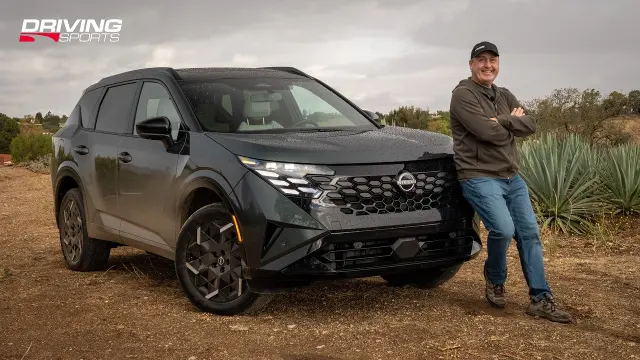
 2027 Nissan Rogue Hybrid Reviewed on California Forest Roads
#Nissan Rogue
1 ideas
2027 Nissan Rogue Hybrid Reviewed on California Forest Roads
Get new #Nissan Rogue ideas by email
Every Thursday: the week's best ideas, with the newest from #Nissan Rogue.
Related tags
Nissan Rogue: A Guide to the Compact Family Crossover
The Nissan Rogue is a compact crossover SUV, the kind of vehicle built around the everyday needs of a household rather than around speed or off-road ambition. It sits in the busiest part of the market: large enough for a family and its luggage, small enough to park and run cheaply, and tall enough that getting in and out feels easy. If you are new to the name, think of it as a car that tries to be useful first and interesting second.
Where it comes from
Nissan introduced the Rogue as a replacement for its older small SUV, positioning it squarely against the other car-based crossovers that were taking over from sedans and station wagons. Over the years it has been sold in different forms in different regions, and in some markets the same basic vehicle has appeared under other names. Generations have changed in size, shape and engines, so two Rogues from different eras can feel like quite different cars. That matters when you are shopping: the model year and the generation tell you far more than the badge alone.
How it is put together
Read more
The Rogue is a unibody crossover, meaning it is built like a car rather than a truck. Power usually goes to the front wheels, with all-wheel drive offered as an option on many versions. That layout gives you a comfortable ride, predictable handling and better fuel economy than a body-on-frame SUV, at the cost of real off-road ability. Practically every Rogue is a five-seater with a generous cargo area behind the rear seats and a low load lip, which is exactly the shape most families end up using.
Trim levels generally move from a simple, well-equipped base car up through versions with larger wheels, better upholstery, more driver assistance and upgraded infotainment. Mid-range trims are usually where the value sits.
What beginners should know
- Drive more than one. Trim and wheel size change the ride noticeably, and so does the choice between front- and all-wheel drive.
- Check the service history rather than the mileage alone on a used example. Crossovers often lead busy lives.
- Sit in the back seat yourself. Legroom and door opening matter more than the brochure suggests.
- Learn what the driver assistance systems actually do, and where their limits are. They assist; they do not drive.
- Budget for tyres. Crossovers wear them faster than small hatchbacks, and good rubber is the cheapest safety upgrade there is.
Living with one
Keep up with the routine items: oil and filters, brake fluid, tyre pressures checked monthly and rotated on schedule. Wash the underside in winter if your roads are salted, and clear debris from the drainage channels around the sunroof and tailgate. Treat the cabin to a proper clean now and then, because a cared-for interior is most of what makes an older car feel pleasant.
Above all, match the car to your actual week. If you mostly drive in town, carry two people and a dog, and occasionally fill the boot for a weekend away, a compact crossover like the Rogue was designed precisely for you.
#Nissan Rogue: frequently asked questions
What kind of vehicle is the Nissan Rogue, and who is it meant for?
It is a compact crossover built like a car rather than a truck, so it drives and sips fuel more like a sedan while giving you a tall seating position and a wagon-shaped cargo area. It suits households that mostly do town driving, carry a passenger or two plus a dog, and occasionally load up for a weekend away. It is not aimed at speed or serious off-road use.
Should I pick front-wheel drive or all-wheel drive?
Front-wheel drive covers most everyday driving and costs less to run, while all-wheel drive helps in snow, mud and wet grass. If you rarely leave paved roads, the simpler layout is usually the smarter buy. If winters where you live are harsh, the extra traction is worth having.
Which version or trim should I choose?
The base car is already well equipped, and mid-range trims are generally where the best value sits. Higher trims add bigger wheels, nicer upholstery, more driver assistance and better infotainment. Drive more than one, because wheel size and trim change the ride noticeably.
How do I care for a Rogue so it stays pleasant to live with?
Stay on top of the routine work: oil and filters, brake fluid, and monthly tyre pressure checks with rotation on schedule. Wash the underside in winter if your roads are salted, and clear leaves and grit from the drainage channels around the sunroof and tailgate. Give the cabin a proper clean now and then, since a cared-for interior is most of what makes an older car feel good.
What are the common mistakes people make when shopping for a used one?
Judging on mileage alone instead of reading the service history is the big one, because crossovers often lead busy lives. Many buyers also skip sitting in the back seat, where legroom and door opening matter more than the spec sheet suggests. Budget for tyres as well, since crossovers wear them faster than small hatchbacks.
Can it handle rough forest roads or bad weather?
It manages gravel, light snow and graded forest tracks comfortably, but the car-based layout means it gives up real off-road ability. Its driver assistance features help in poor conditions but assist only, so you still have to judge grip and speed yourself. Treat it as a fair-weather explorer rather than a trail vehicle.
Videos come from YouTube and posts from Instagram; titles and summaries are our own. All rights belong to their creators.