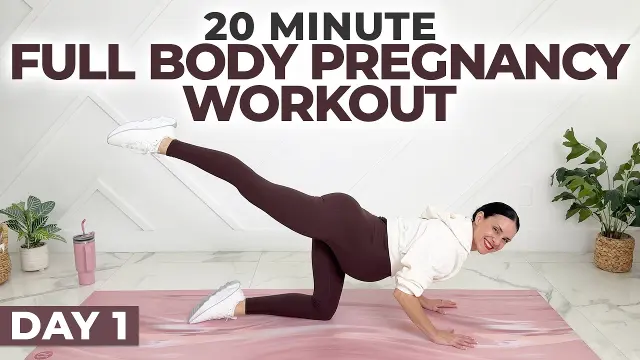
 20 Minute Full Body Pregnancy Workout Without Equipment
#No Equipment
3 ideas
20 Minute Full Body Pregnancy Workout Without Equipment
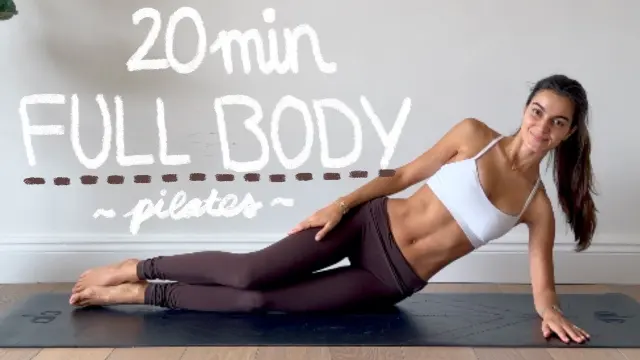 20-Minute Full Body Pilates Workout for Toning
 15-Minute Full Body Hourglass Pilates Workout
Get new #No Equipment ideas by email
Every Thursday: the week's best ideas, with the newest from #No Equipment.
Related tags
No-Equipment Workouts
What no-equipment exercise means
No-equipment exercise is any workout that uses your own body weight instead of dumbbells, machines, or other gear. It can be as gentle or as challenging as you need, which is why it works well for beginners and for experienced exercisers alike. You can do it at home, outdoors, or while travelling, with very little space and almost no setup.
Bodyweight training has been used for a long time because it is simple, flexible, and practical. It can help you build strength, improve coordination, support mobility, and raise your heart rate, depending on the way you structure it. It is also easy to adapt: you can slow the tempo down, shorten the range of motion, or take rests whenever you need them.
Common styles
Read more
No-equipment workouts come in many forms, and you do not need to follow just one style.
- Strength-focused sessions often use squats, lunges, push-ups, planks, glute bridges, and calf raises.
- Cardio workouts rely on faster movements such as marching, step jacks, mountain climbers, or squat variations.
- Pilates-inspired routines emphasize control, posture, core engagement, and precise movement.
- Yoga-based flows blend strength, balance, flexibility, and breathing.
- Mobility and stretching sessions help you move more freely and recover between harder workouts.
Many routines combine several of these approaches, so a single session may include warm-up moves, strengthening exercises, and a short stretch at the end.
Good beginner exercises
If you are new to bodyweight training, start with simple movements that teach balance and control.
- Squats for the legs and hips
- Wall or incline push-ups for the upper body
- Glute bridges for the back of the body
- Bird-dogs for core stability
- Planks in short holds
- Step-back lunges for coordination and leg strength
It is better to begin with a few well-performed exercises than to rush through many. Focus on steady breathing, controlled movement, and good alignment.
Practical tips for getting started
Choose a small space with enough room to move your arms and legs freely. Wear comfortable clothing and use a mat if the floor feels hard. A short warm-up can help prepare your body, and a gentle cool-down can make the session feel more balanced.
When you are building a routine, keep these points in mind:
- Start with manageable sets and short intervals.
- Rest when your form starts to slip.
- Move in a pain-free range.
- Breathe regularly instead of holding your breath.
- Increase difficulty gradually by adding repetitions, slowing the movement, or reducing rest.
Why people like no-equipment workouts
One of the best things about no-equipment training is how easy it is to keep up. Because it removes a lot of barriers, it can fit into busy days and simple spaces. It also encourages you to learn how your body moves, which can make you feel more confident in exercise generally.
Whether you want a quick full-body session, a calmer Pilates-style routine, or a short movement break, no-equipment workouts give you a reliable way to stay active without needing anything beyond your own body.
Videos come from YouTube and posts from Instagram; titles and summaries are our own. All rights belong to their creators.