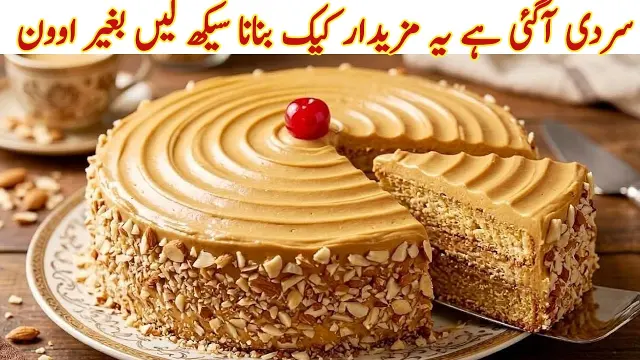
 Eggless Bombay Bakery Style Coffee Cake With Buttercream Frosting
#No Oven Baking
1 ideas
Eggless Bombay Bakery Style Coffee Cake With Buttercream Frosting
Get new #No Oven Baking ideas by email
Every Thursday: the week's best ideas, with the newest from #No Oven Baking.
Related tags
No Oven Baking: A Beginner's Guide to Oven-Free Treats
Not having an oven has never meant going without cake. No oven baking covers a whole family of techniques that produce real baked goods — and plenty of desserts that never see heat at all — using nothing more than a stovetop, a steamer, a fridge or a freezer. It is a practical approach born of circumstance and, in many kitchens, of tradition.
What it means
The category splits roughly in two. The first is cooking that would normally happen in an oven but is done another way: cakes and breads steamed in a covered pot, batters cooked in a heavy pan over low heat, breads baked in a pressure cooker or a sand-filled vessel, small bakes done in a frying pan with a tight lid. The second is desserts that are assembled rather than baked — set in the refrigerator with cream, gelatin or agar, chilled in a mould, or frozen and sliced.
Where it comes from
Read more
Steamed cakes and puddings have long histories in many cuisines, where the steamer was a household staple and the oven was not. The same is true of pan-baked flatbreads and griddle cakes. Chilled set desserts developed wherever dairy and setting agents were common. None of this is a modern workaround; it is simply how a great many kitchens have always worked.
Main styles to know
Steamed sponge cakes are the most forgiving starting point: a light batter, a lined tin, a covered pot, steady steam, and patience about not lifting the lid too early.
Stovetop pan cakes and griddle breads cook directly on a thick-based pan over a low, even flame. Thickness matters — a thin batter sets through before the base scorches.
Pressure cooker and heavy-pot baking works for denser bakes, using a layer of salt or sand beneath the tin to spread the heat gently.
No-bake chilled desserts — biscuit bases, cream fillings, fruit sets — rely on the refrigerator and time rather than temperature.
Chocolate and confectionery work needs no oven at all and teaches useful skills like tempering and shaping.
What beginners should know
Read the recipe twice and gather everything before you start; oven-free methods leave less room for improvising mid-way.
Use a heavy pot or pan with a well-fitting lid. Thin metal heats unevenly and gives you a burnt edge with a raw middle.
Line tins properly and keep the water level below the tin when steaming.
Resist opening the lid. Steam cakes fall when the temperature drops suddenly.
For chilled desserts, give them the full setting time. If a set dessert is loose, chilling longer usually helps more than adding anything.
Cool completely before frosting, or the topping will slide.
Practical tips
Test for doneness with a skewer in the centre rather than by the clock, since stovetop heat varies.
Keep the flame low and steady; most failures come from impatience with the heat.
If you are working without an oven regularly, a sturdy pot with a lid and a reliable steamer rack will take you a long way.
Start with a simple steamed sponge or a pressed biscuit dessert, get a feel for how the heat behaves in your own kitchen, and build from there.
Videos come from YouTube and posts from Instagram; titles and summaries are our own. All rights belong to their creators.