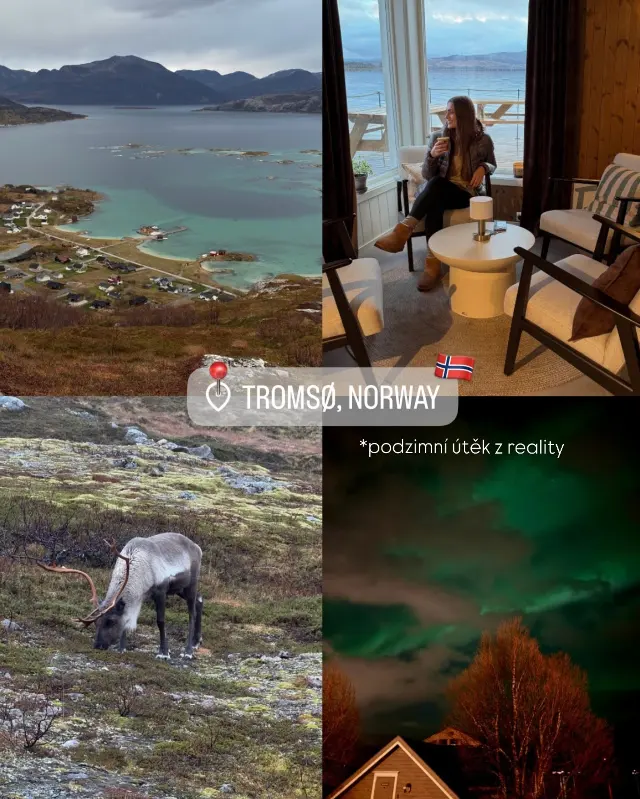
 An Autumn Weekend Trip to Tromso to See the Northern Lights
#Norway
3 ideas
An Autumn Weekend Trip to Tromso to See the Northern Lights
Get new #Norway ideas by email
Every Thursday: the week's best ideas, with the newest from #Norway.
Related tags
Norway: Landscapes, Culture and Everyday Life
Norway is a country in Northern Europe known for its long coastline, deep fjords, high mountains and strong connection to nature. For many people, it also suggests a way of life that feels calm, practical and close to the outdoors. Its culture has been shaped by geography, with communities long adapted to cold winters, the sea, and the need for self-reliance.
A country shaped by nature
Norway’s landscapes are one of its defining features. Fjords, glaciers, forests and open plateaus create a setting that feels both rugged and peaceful. In many places, nature is not something separate from daily life but part of it. Hiking, skiing, fishing and spending time outside are common activities, and many people grow up with a strong appreciation for the seasons.
The weather can vary a great deal from one region to another, so dressing in layers and planning for changing conditions is part of everyday practicality. If you visit or live there, it helps to think of weather as something to work with rather than against.
Read more
Culture and heritage
Norwegian culture draws from a mix of Norse history, rural traditions and modern urban life. Folk art, woodcraft, knitting and traditional textiles have long played an important role in homes and celebrations. You may also notice a strong respect for simplicity, function and quality in design, clothing and interiors.
An important part of Norway’s heritage is Sami culture, which belongs to the Indigenous people of the northern parts of the country and nearby regions. Sami traditions include reindeer herding, language, handicrafts and distinctive dress. Learning about this heritage adds depth to any understanding of Norway.
Food and everyday traditions
Norwegian food has traditionally been practical, seasonal and influenced by the sea and the land. Fish, potatoes, dairy, berries and bread are common elements in many meals. Preserving food through drying, curing, fermenting and smoking has been important in colder regions, where fresh ingredients were not always available year-round.
Coffee, baked goods and simple home meals also play a role in daily life and social routines. Like many cultures, Norway has special foods connected to holidays and family gatherings, often reflecting local ingredients and long-standing customs.
Design, homes and lifestyle
Norwegian style is often associated with light, uncluttered interiors, natural materials and useful objects made to last. This does not mean every home looks the same, but there is often an emphasis on comfort, order and a sense of calm. Wood, wool and muted colours are common choices, especially in homes that respond to darker winters and a need for warmth.
If you are interested in Norwegian-inspired living, it can help to focus on function first: choose durable materials, keep spaces simple, and bring in natural textures. Small details, such as good lighting, textiles and well-made everyday items, can make a room feel welcoming without being crowded.
What to know as a beginner
If you are new to Norway, start by learning about its regions rather than thinking of it as one single experience. Coastal life, inland valleys and northern communities can feel very different. It is also useful to understand that nature is taken seriously there, both as a source of enjoyment and as something to be treated with respect.
Whether you are drawn to Norway for its scenery, culture or design, it is a country where everyday life often reflects balance: between tradition and modernity, simplicity and warmth, and human activity and the natural world.
Videos come from YouTube and posts from Instagram; titles and summaries are our own. All rights belong to their creators.