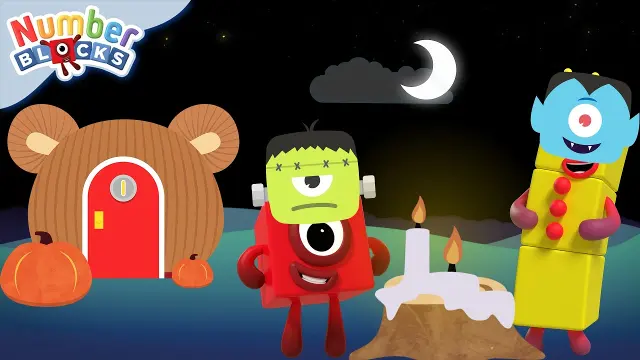
 Numberblock One Spooky Counting Adventure Compilation
#Number One
1 ideas
Numberblock One Spooky Counting Adventure Compilation
Get new #Number One ideas by email
Every Thursday: the week's best ideas, with the newest from #Number One.
Related tags
Number One: Meaning, Uses, and Basics
The number one is the first natural number and the starting point for counting. It represents a single unit, one whole thing, or the idea of being first in order. You meet it everywhere: in early maths, in labels, in lists, in dates, and in everyday speech.
What number one means
Number one is used to show one item, one person, or one step. It is the answer when you count a single object. In written form, it can appear as the numeral 1 or as the word one. In many systems, it also marks the first position, such as first place, number one on a list, or chapter one in a book.
One is also important in language and thinking. It can mean unity, a beginning, or something unique. Phrases like “one by one,” “at one,” or “number one” all build on the same basic idea of singularity and order.
Read more
How children learn it
For beginners, one is often the first number taught because it is easy to connect with real objects. A child can point to one apple, one toy, or one hand and match the word with the object. This helps build number sense before moving on to larger counting.
Useful ways to practice include:
- Counting one object at a time
- Tracing the numeral 1 and saying the word aloud
- Finding one item in a group
- Comparing one with more than one
Simple repetition matters. Children usually learn number one best when they see, hear, and use it in different ways.
Common forms and symbols
The numeral 1 is the standard written symbol in many modern number systems. In some contexts, you may also see Roman numerals, where one is written as I. In everyday life, the numeral 1 is used for addresses, sports scores, rankings, phone numbers, and measurements.
When writing the word, use one for the number and first when you mean position or order. For example, “one book” refers to quantity, while “first book” refers to sequence.
Practical tips for using number one
If you are teaching or reviewing the basics, keep the idea concrete. Start with real objects, then move to pictures, then to the written numeral. It helps to use one in short, clear examples so the meaning stays simple and memorable.
A few easy habits can help:
- Say the number while pointing to a single object
- Use “one” in everyday routines, like “one shoe” or “one spoon”
- Show the difference between one and many
- Practice writing the numeral neatly and consistently
Why it matters
Number one may be the smallest counting number, but it is the foundation for everything that follows. It teaches the idea of quantity, order, and identity. Once you understand one, it becomes much easier to understand the rest of the number system.
#Number One: frequently asked questions
How do I start teaching number one to a young child?
Begin with something the child can touch and point to, such as a single toy, an apple, or their own hand. Say the word while indicating the object, then move on to pictures and only later to the written numeral. Short, repeated practice in different settings works better than a single long lesson.
What is the difference between using "one" and "first"?
"One" describes quantity — how many of something there are — while "first" describes position in a sequence. So "one book" tells you the amount, and "first book" tells you where it sits in an order. Keeping the two words in separate examples helps the distinction stick.
How can I help a child who mixes up one with many?
Set the two side by side and let the child compare them directly: one spoon next to a pile of spoons, one shoe next to a pair. Ask them to pick out the single item from a group and say the word aloud as they do it. Comparing is usually more effective than explaining.
What mistakes should I avoid when teaching number one?
The most common slip is rushing to the written symbol before the child has handled real objects, which leaves the numeral disconnected from anything concrete. Another is teaching one in isolation without ever contrasting it with more than one. Keep examples brief and consistent, and make sure the numeral is written the same way each time.
Are there easy everyday ways to reinforce the idea of one?
Fold it into routines rather than setting aside a separate lesson — "one shoe," "one spoon," "one step" as you go about the day. Pointing and saying the word together ties the sound to the thing. These small repetitions add up without any formal practice time.
Videos come from YouTube and posts from Instagram; titles and summaries are our own. All rights belong to their creators.