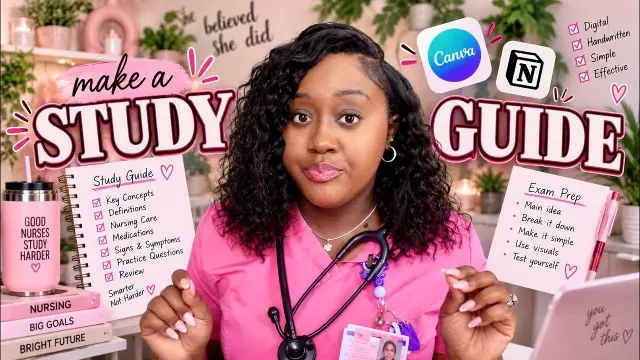
 How to Create Effective Digital or Handwritten Study Guides
#Nursing School
15 ideas
How to Create Effective Digital or Handwritten Study Guides
 Five Essential Things to Do Before Nursing School Starts
 Dream Nursing Specialty Versus Reality After Graduation
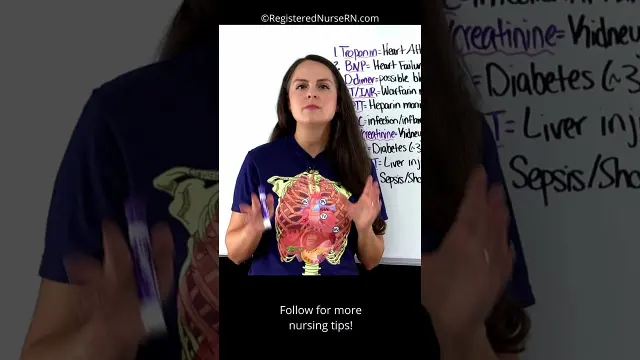 Common Nursing Lab Values Explained for Students
 Step-by-Step Guide to Starting Nursing School
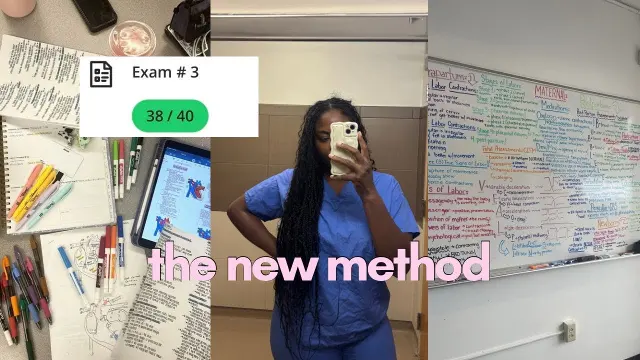 How to Pass Nursing School Exams and Prepare for Lectures
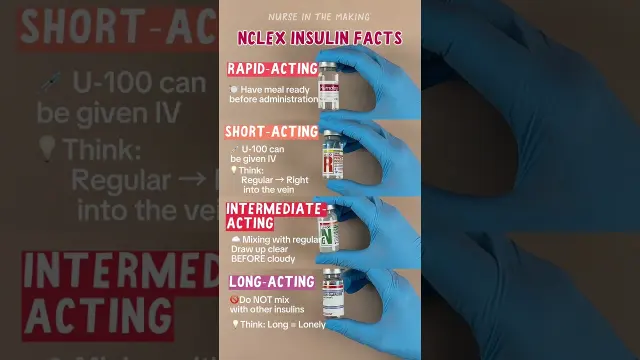 Important Insulin Pharmacology Facts for Nursing Students
 Pharmacology Medication Review for Nursing Students
 ATI TEAS Version Seven Full Mathematics Practice Test
 ATI TEAS Version Seven Full Science Practice Test
 What to Do Differently When Starting Nursing School
 Patient Prioritization Frameworks for Nursing Students
 Study Strategies for Top Performing Nursing Students
 Salem Sump GI Nasogastric Tubes Explained
 Balancing Family Life and the First Accelerated Nursing Exam
Get new #Nursing School ideas by email
Every Thursday: the week's best ideas, with the newest from #Nursing School.
Related tags
Nursing School Guide for Beginners
What nursing school is
Nursing school is the place where you prepare to become a nurse and learn how to care for people safely, calmly, and professionally. It combines classroom learning with practical training, because nursing is both a science and a hands-on skill. You study how the body works, how illnesses affect people, and how to respond to different care needs across the lifespan.
Nursing education can lead to different paths, depending on the level of qualification and the kind of work you want to do. Some programs focus on practical bedside care, while others build toward broader assessment, planning, and leadership responsibilities. Whatever the route, the goal is the same: to help you become a confident, compassionate healthcare professional.
What you usually study
Read more
The curriculum usually includes anatomy, physiology, biology, nutrition, medication safety, mental health, patient communication, infection prevention, and basic clinical judgment. You also learn how to observe symptoms, document care accurately, work with families, and follow professional standards.
A large part of nursing school is clinical practice. This means supervised work in real care settings, where you apply what you learn in class. Clinical experience helps you get comfortable with routines, teamwork, and the pace of patient care. It also teaches you how to stay organized under pressure.
Different learning styles and paths
Nursing programs vary in structure. Some are designed for beginners entering healthcare for the first time, while others are for students who already have some experience or another qualification. You may find programs that are more classroom-based, more clinically focused, or a mix of both.
You will also see different special interests within nursing, such as adult care, child care, mental health, maternity, community care, and long-term care. Early on, it helps to keep an open mind. Many students discover their preferred area after spending time in different settings.
What beginners should know
Nursing school is rewarding, but it asks a lot of you. You will need steady study habits, good time management, and the willingness to keep learning. The material can feel dense at first, so it helps to review a little each day instead of leaving everything until the last minute.
A few simple habits can make a big difference:
- Keep a regular study schedule.
- Review notes soon after class.
- Learn to make clear, simple summaries.
- Practice clinical skills slowly and carefully.
- Ask questions when something is unclear.
- Take care of your sleep, meals, and rest.
Practical tips for getting through it
Try to connect each topic to real patient care, because that makes the information easier to remember. Use diagrams, flashcards, and short study guides if they help you. Group study can be useful, but only if it stays focused. It also helps to build confidence by practicing communication, because nurses need to explain, reassure, and listen well.
Most of all, be patient with yourself. Nursing school is meant to shape both your knowledge and your judgment. If you stay consistent and open to learning, you can build a strong foundation for a meaningful career.
Videos come from YouTube and posts from Instagram; titles and summaries are our own. All rights belong to their creators.