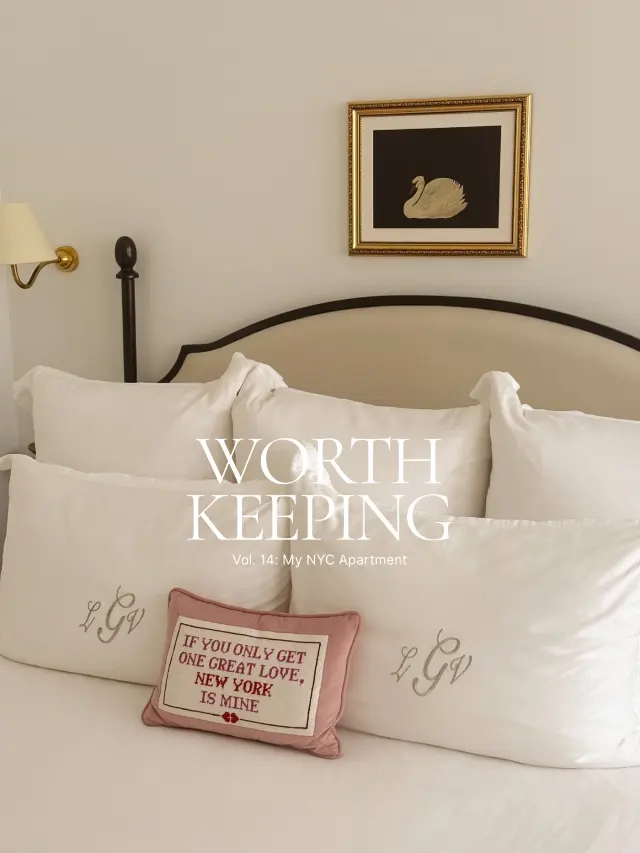
 A Look Inside a Calm New York City Apartment Oasis
#NYC Apartment
1 ideas
A Look Inside a Calm New York City Apartment Oasis
Get new #NYC Apartment ideas by email
Every Thursday: the week's best ideas, with the newest from #NYC Apartment.
Related tags
A Guide to the New York City Apartment
A New York City apartment is a lesson in making a great deal out of a modest amount of room. Because the city is dense and land is scarce, homes here are often smaller than newcomers expect, and shaped by the age of the building rather than by any single design fashion. Understanding those shapes is the first step toward living well in one.
The main building types
Much of the housing stock falls into a few broad families. Prewar buildings, generally those finished before the Second World War, tend to have thick walls, high ceilings, hardwood floors, plaster mouldings and radiators. Postwar buildings are usually plainer and more efficient, with lower ceilings, through-wall air conditioning in some cases and larger windows. Brownstones and townhouses were built as single family homes and many were later divided into floor-through or garden apartments. Lofts, converted from commercial and industrial space, bring open plans and oversized windows but sometimes irregular plumbing and heating. Walk-ups, entered by stairs rather than a lift, are common in older neighbourhoods, while doorman buildings and elevator buildings offer a different rhythm of daily life.
Layouts you will meet
Read more
- Studio: one room serving as living and sleeping space, with a kitchen and bathroom.
- Railroad: rooms arranged in a line, one opening into the next.
- One-bedroom and floor-through: a separate bedroom, often with windows at both ends of the apartment.
- Alcove studio: a studio with a partly recessed area that can act as a sleeping nook.
- Duplex and garden level: two floors, or a unit at least partly below street level.
What beginners should know
Read the lease before anything else. Ask what is included in the rent or the monthly charges, how utilities are handled, what the rules say about subletting, pets and alterations, and how much notice is required to renew or leave. In cooperative buildings, purchase involves a board approval process; condominiums work more like ordinary property. Either way, ask about heat and hot water, since older buildings vary widely in how well they are maintained.
Measure before you buy furniture. Doorways, stairwells and sharp corners decide what will actually fit, and a delivery that cannot be carried in is a common and expensive mistake. Note where the light comes from and at what time of day, and check noise from the street, the hallway and neighbouring units.
Making a small space work
Let the walls do the work: shelving above eye level and tall bookcases draw the eye upward and keep the floor clear. Choose furniture that serves more than one purpose, such as a table that folds or a bed with storage beneath it. Keep a consistent, light palette and let mirrors and good lamps do the rest. Exposed brick, radiators and original mouldings are character worth working with rather than hiding.
Above all, edit. A small apartment rewards fewer, better things and a little daily order more than any clever trick.
#NYC Apartment: frequently asked questions
How should a first-timer start when looking for a New York City apartment?
Start with the lease and the building rather than the décor. Read what the rent or monthly charges include, how utilities are handled, and what the rules say about pets, subletting and alterations, then ask how much notice is needed to renew or move out. Visit at different times of day so you can judge the light and the noise before committing.
What kinds of buildings will I come across?
Older buildings tend to have thick walls, high ceilings, hardwood floors and radiators, while newer ones are plainer and more efficient, with lower ceilings and bigger windows. Brownstones and townhouses were built as single-family homes and many were later divided into floor-through or garden units, lofts came out of commercial space, and walk-ups are entered by stairs instead of a lift.
Which layout is right for me?
A studio puts living and sleeping in one room, while a one-bedroom or floor-through gives you a separate bedroom, often with windows at both ends. An alcove studio offers a recessed nook that can serve as a sleeping area, and a railroad flat runs rooms in a line, each opening into the next. Choose based on whether you need a door between resting and everything else.
How do I furnish and arrange a small apartment?
Measure doorways, stairwells and sharp corners before buying anything, since a piece that cannot be carried in is an expensive mistake. Let the walls work for you with shelving above eye level and tall bookcases, pick furniture that does two jobs, and keep a light, consistent palette while mirrors and lamps fill in the rest.
How do I look after original features like exposed brick, radiators and mouldings?
Treat them as character worth working with rather than something to cover up. Dust and clean gently, and give radiators room for air to move so furniture is not pressed against them. Old woodwork and plaster reward small, regular attention far more than heavy-handed fixes.
What mistakes do people make most often?
Rushing the paperwork is the big one, since what is included and what the house rules allow shapes daily life more than the paint colour does. The other is buying furniture before measuring the stairwell and the doorways. Skipping a careful listen for street, hallway and neighbour noise is a close third.
Videos come from YouTube and posts from Instagram; titles and summaries are our own. All rights belong to their creators.