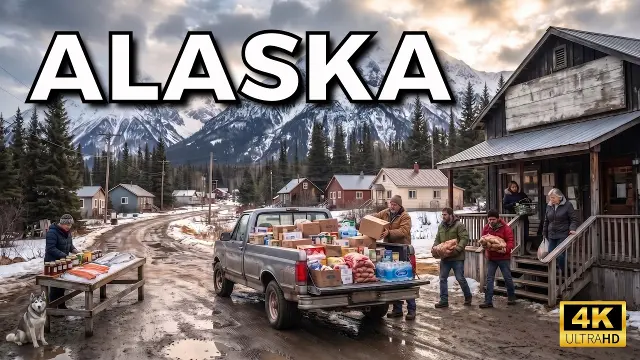
 How People Live in Remote Alaska: A 4K Travel Journey
#Off-Grid Life
1 ideas
How People Live in Remote Alaska: A 4K Travel Journey
Get new #Off-Grid Life ideas by email
Every Thursday: the week's best ideas, with the newest from #Off-Grid Life.
Related tags
Off-Grid Living: A Beginner's Guide to Life Beyond the Grid
Off-grid living means meeting your own household needs — power, water, heat, waste — without relying on the mains services most homes are connected to. It is not one lifestyle but a range of them, from a cabin with a single solar panel and a hand pump to a homestead running a small micro-hydro turbine in a stream. What ties the approaches together is self-reliance and a closer relationship with the resources you actually consume.
Where the idea comes from
Living without public utilities has always been the norm for most of human history, and it remained ordinary in rural regions long after cities were wired and plumbed. The modern off-grid movement grew out of several currents: back-to-the-land thinking, the environmental interest in reducing consumption, and the practical reality that in many places connecting to a grid is simply too expensive or too distant. Remote and mountainous regions have long hosted communities that build their own systems out of necessity rather than ideology.
The main kinds of off-grid homes
Read more
- Solar and battery systems, often with a backup generator for cloudy spells
- Micro-hydro, where a stream with fall provides steady power
- Wind, useful in exposed, windy locations but variable
- Wood heat for warmth and cooking, with careful chimney maintenance
- Rainwater collection, wells, or spring-fed systems with filtration and storage
- Composting or septic systems for waste, chosen to suit the soil and site
Some people go fully off-grid; others stay connected but generate most of their own power. Both count, and the second is often the sensible first step.
What beginners should know
The honest starting point is a careful audit of what you actually use. Electricity demand that feels modest on a utility bill can be enormous when you have to generate and store every kilowatt-hour yourself. Heat and hot water are usually the largest loads, so insulation and draught-proofing do more for comfort than a bigger array will.
Plan for the worst season rather than the best. A system sized in summer will strain in winter, when daylight is short and heating demand high. Storage matters as much as generation: batteries, water tanks and a dry woodpile are what carry you through.
Learn basic maintenance before you depend on it. Pumps, inverters, filters, flues and batteries all need care, and being able to diagnose a fault yourself is part of the deal.
Practical tips
Start small and live with a system before scaling it. Test your tolerance for hauling water, chopping wood and conserving power.
Check local rules early. Planning permission, water rights, septic regulations and building codes vary enormously and can shape what is possible.
Keep a manual backup for every critical system: a spare pump part, a hand tool, a way to heat food without electricity.
Build community. Neighbours who know the local water, weather and suppliers are worth more than any manual.
Above all, be patient with yourself. Off-grid living is a set of skills learned over seasons, not a switch you flip.
#Off-Grid Life: frequently asked questions
How do I start living off-grid without getting overwhelmed?
Start by watching what your household actually uses before buying any equipment, because demand that looks small on a utility bill is much bigger when you have to produce and store every bit of it yourself. Then try one system at a time, such as rainwater collection or a small solar setup, and live with it through a full season before expanding. Treating it as a set of skills you build gradually is far more realistic than changing everything at once.
What does an off-grid home actually need to cover?
The essentials are power, water, heat and waste, each with its own equipment and its own maintenance. Heat and hot water are usually the heaviest loads, so insulation and draught-proofing make more difference to comfort than a larger generating setup. Whatever you choose, keep a manual fallback for anything critical, such as a hand tool or a way to heat food without electricity.
Which kind of off-grid power system should I choose?
It depends on your site rather than on preference: sun exposure suits solar with batteries, a stream with fall suits micro-hydro, and an exposed windy spot suits wind, though wind tends to be the most variable. Many homes combine a main source with storage and a backup for the poor seasons. Look at what your location reliably offers before committing.
Can I live partly off-grid instead of cutting all ties?
Yes, and staying connected while generating most of your own power is often the sensible first step. It lets you learn how your systems behave, keep the lights on while you troubleshoot, and scale up only when you are confident. Self-reliance is about how closely you understand and manage what you consume, not about a strict cutoff.
How much upkeep does an off-grid setup require?
Pumps, inverters, filters, flues, batteries and wood stores all need regular attention, so learning basic maintenance before you depend on them is part of the deal. Being able to diagnose a fault yourself is what keeps a small problem from becoming a crisis. Keep spare parts and tools on hand for the systems you rely on most.
What mistakes do beginners usually make?
The common ones are sizing everything for the easiest season, skipping local rules until late, and trying to do it alone. Systems planned around long summer days and mild weather will struggle in winter, and rules on planning, water and waste can change what is even possible on your site, so check them early. Neighbours who know the local weather suppliers and ground conditions are worth more than any manual.
Videos come from YouTube and posts from Instagram; titles and summaries are our own. All rights belong to their creators.