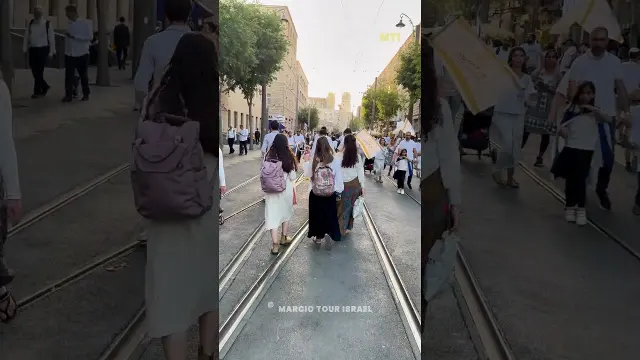
 Old City of Jerusalem: The Western Wall and Its Pilgrims
#Old City
1 ideas
Old City of Jerusalem: The Western Wall and Its Pilgrims
Get new #Old City ideas by email
Every Thursday: the week's best ideas, with the newest from #Old City.
Related tags
Old City: A Guide to the Historic Heart of Towns
An old city is the historic core of a town — the part that grew up before wide streets, cars and street lighting existed, and that often still sits inside, or traces the line of, its original walls. Many places simply call this district the Old City, and the name functions as both a location and a promise: that you are walking through a place where the shape of daily life was decided centuries before you arrived.
Where the pattern comes from
Most old cities share a family resemblance because they were built under the same constraints. Defensive walls set a hard boundary, so space inside was precious and buildings pressed upward and inward. Gates controlled movement, markets clustered just inside them, and water determined everything else — a spring, a well, a cistern or a river crossing. Religion left its mark too: shrines, places of worship and pilgrimage routes shaped the streets around them, which is why so many old quarters are organised around a sacred site rather than a square.
What you find inside
Read more
The signature of an old city is the lane: narrow, winding, often too tight for anything but a cart, and rarely following a straight line. That shape is not decoration — it grew from property lines, shade, drainage and the need to slow an attacker. Around those lanes you will usually find a market or bazaar, workshops of crafts still practised the old way, courtyard houses hidden behind plain doors, and a layered mix of building styles, since each generation repaired and rebuilt with whatever it had.
Types of old quarter
Not every old city is the same kind of place. Some are walled and largely intact, still lived in by families who have been there for generations. Some are partly archaeological, with excavated areas walking alongside inhabited streets. Others are restored and mostly commercial, rebuilt for visitors while keeping the original street plan. Knowing which one you are in changes how you should behave: a living neighbourhood asks for quiet and patience, while a conserved site asks you to stay on the path.
Visiting with care
Dress and behaviour matter most around sacred places. Cover shoulders and knees, remove shoes where it is customary, keep voices low, and never photograph people at prayer without permission — many worshippers will decline, and that is a fair answer. Ask before photographing anyone, shopkeeper or child alike. If a lane is someone's front door, treat it as one.
Practical tips
- Wear shoes with grip; the stone is polished and uneven.
- Carry water and start early, when the lanes are still in shade.
- Expect to get lost, and allow it — the old city is best read slowly.
- Learn a few words of the local language for greetings and thanks.
- Buy something small from a workshop if you want a real conversation.
- Keep to marked routes in areas under excavation or repair.
An old city rewards the unhurried visitor. Walk it without a checklist and you will notice the details that maps cannot show: a worn threshold, a reused column in a wall, the sound of a workshop two lanes away.
#Old City: frequently asked questions
What exactly is an old city?
It is the historic core of a town — the district that grew up before wide streets, cars and street lighting, and that often still sits inside or traces the line of its original walls. Locals tend to call it simply the old city, and the name works as both a location and a promise: streets whose shape was settled long before you arrived.
How should I start planning a visit to an old quarter?
First work out which kind of quarter you are heading to, because a living neighbourhood, a partly excavated site and a restored commercial district each ask something different of you. Then plan loosely — choose a gate or landmark to enter by, leave the rest to wandering, and start early while the lanes are still in shade.
What should I wear and how should I behave there?
Pick shoes with grip, since the stone is polished and uneven, and dress modestly with shoulders and knees covered because places of worship are usually close at hand. Keep voices low, remove shoes where that is customary, and ask before photographing anyone — a refusal is a fair answer.
Which kind of old quarter suits a first visit?
There is no single best choice; what matters is recognising which one you are in. A walled quarter still lived in by local families shows you everyday life but rewards quiet and patience, while a conserved or excavated area is easier to follow but expects you to keep to marked routes.
What mistakes do visitors most often make?
Rushing through with a checklist, treating a residential lane as a sight rather than somebody's front door, and photographing people without asking are the usual ones. Expecting to get lost works better than fighting it, since the details worth noticing tend to sit just off the obvious route.
How do I get a genuine conversation with a craftsperson?
Buy something small from the workshop and show real interest in how the work is done, not only in what it costs. A greeting and a word of thanks in the local language open far more doors than a guidebook recommendation.
Videos come from YouTube and posts from Instagram; titles and summaries are our own. All rights belong to their creators.