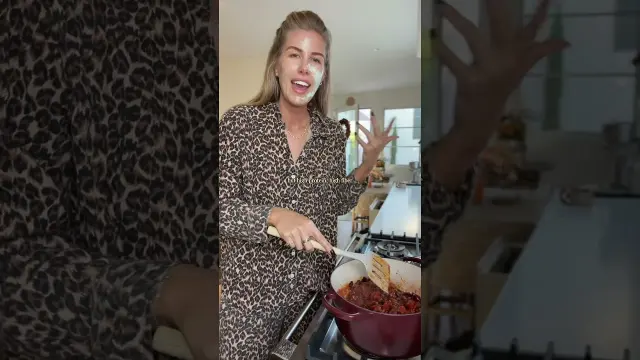
 Easy One-Pot Ground Turkey Chili
#One Pot
2 ideas
Easy One-Pot Ground Turkey Chili
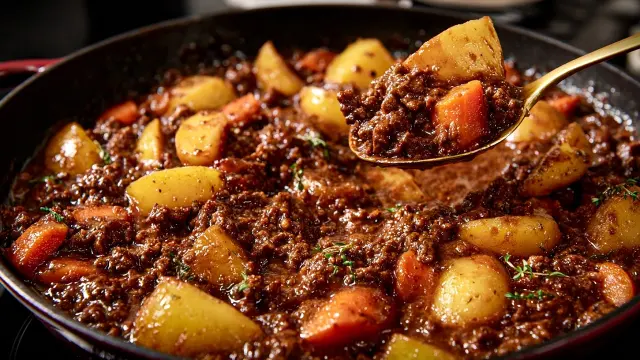 One-Pan Ground Beef and Potato Dinner
Get new #One Pot ideas by email
Every Thursday: the week's best ideas, with the newest from #One Pot.
Related tags
The Ultimate Guide to One-Pot Cooking
One-pot cooking is a culinary approach where an entire meal is prepared in a single vessel, such as a Dutch oven, skillet, soup pot, or roasting pan. This method has roots in traditional peasant cooking across many cultures, where hearth-cooked stews and porridges were the staple of daily life. By combining ingredients in one container, home cooks could create nourishing, wholesome food while minimizing the work involved in tending to multiple burners and washing a mountain of dishes afterward.
The primary appeal of this cooking style lies in efficiency and flavor development. When starches, proteins, and aromatics simmer or roast together, their flavors meld deeply. The starches from grains, pasta, or potatoes often release into the cooking liquid, creating a natural sauce without the need for separate thickeners.
There are several main styles of one-pot dishes suited to different meals and occasions.
- Soups and stews rely on simmering ingredients in broth or water until tender, creating deeply infused liquids and soft textures.
- Skillet meals often begin by browning proteins and vegetables before adding liquids or grains to absorb the pan drippings.
- Braises involve searing larger cuts of meat and cooking them slowly on low heat with liquid and aromatics until melt-in-the-mouth tender.
- Casseroles and baked dishes combine ingredients layered or mixed together and transferred straight to the oven to cook until golden and bubbling.
Read more
For beginners, mastering one-pot cooking is largely about understanding timing. Not all ingredients cook at the same rate, which is the most common challenge in this style of cooking. Hard root vegetables take longer to soften than delicate greens, and pasta requires a specific amount of liquid to reach the right texture without becoming mushy or leaving the pot dry.
Here are a few practical tips to ensure success every time you cook.
Read through the recipe first to understand the sequence of additions. Ingredients that require longer cooking times should go into the pot first, while quick-cooking elements like fresh herbs, delicate vegetables, or dairy products are best stirred in near the very end.
Choose the right vessel for the job. A heavy-bottomed Dutch oven is ideal for dishes that transition from stovetop searing to oven baking, while a wide, deep skillet works best for quick sautés and grain-based dishes. Ensure your pot is large enough to hold all the ingredients comfortably with room to stir, preventing overflows and uneven cooking.
Control your heat carefully. Because all the components are concentrated in one space, sticking and burning can happen quickly, especially when cooking with starches or dairy. Keep the heat moderate and stir occasionally to keep ingredients moving.
Embrace the flexibility of this method. One-pot cooking is exceptionally forgiving and adaptable to whatever seasonal vegetables, grains, or proteins you happen to have on hand, making it a reliable way to create comforting, everyday meals with minimal fuss.
#One Pot: frequently asked questions
What is one-pot cooking, and why is it so popular?
It means preparing a whole meal in a single vessel — a Dutch oven, skillet, soup pot, or roasting pan — instead of juggling several pans at once. It appeals to people because cleanup stays minimal while flavors concentrate as ingredients simmer or roast together. Starches often break down into the cooking liquid, thickening the dish naturally without any extra work.
How do I get started with one-pot meals if I'm a beginner?
Start with a soup, stew, or skillet dish built around ingredients you already cook with, and read the recipe all the way through before you turn on the heat. The skill to practice first is timing: add slow-cooking items like root vegetables early and save delicate things for the end. Once you can judge that sequence, most one-pot recipes become easy to improvise.
Which pot or pan should I choose for a one-pot dish?
Pick the vessel to match the cooking method rather than grabbing whatever is closest. A heavy-bottomed Dutch oven suits dishes that go from stovetop searing into the oven, while a wide, deep skillet is better for quick sautés and grain-based meals. Whatever you choose, make sure it holds everything with room to stir so nothing bubbles over or cooks unevenly.
How do I keep food from sticking or burning when everything cooks together?
Because all the components share one space, starches and dairy can catch on the bottom quickly, so keep the heat moderate rather than high. Stir now and then to move ingredients off the base of the pot instead of leaving them in one spot. If the liquid cooks away faster than expected, add a splash more rather than turning up the heat.
What can I make in one pot for a cozy family dinner?
Chili, hearty braises, and grain-and-protein skillet dinners are dependable choices because they feed a group from a single vessel and reheat well. Something like a ground meat and potato skillet or a bean-and-tomato chili comes together with pantry staples and rewards a little simmering time. Serve bread or a simple salad alongside and the meal is complete.
What's the most common mistake people make with one-pot recipes?
Adding everything at once and hoping it works out is the usual culprit, since ingredients cook at very different speeds. The second is too much liquid, which turns a sauce soupy and can leave pasta or rice mushy instead of tender. Measure liquids as written the first time you make a dish, then adjust to your own pot and stove the next time around.
Videos come from YouTube and posts from Instagram; titles and summaries are our own. All rights belong to their creators.