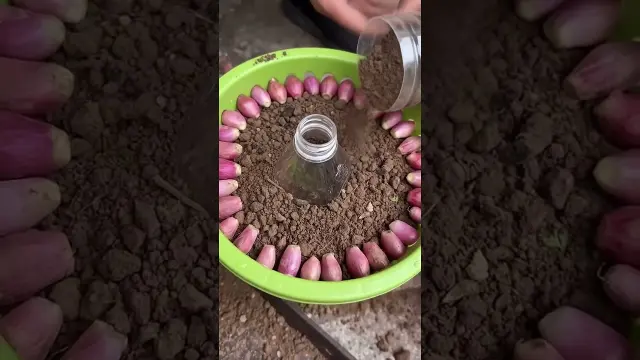
 Vertical Onion Growing Method Using a Perforated Basket
#Onion Growing
1 ideas
Vertical Onion Growing Method Using a Perforated Basket
Get new #Onion Growing ideas by email
Every Thursday: the week's best ideas, with the newest from #Onion Growing.
Related tags
Onion Growing Guide
Onions are one of the most useful kitchen crops to grow at home. They are grown for their crisp bulbs, mild green tops, and long storage life. Belonging to the allium family, onions have been cultivated for centuries and are used in cooking in many forms, from fresh and sweet to sharp and pungent. Whether you have a large garden, raised beds, or a few containers, you can usually find a way to grow them successfully.
Choosing how to grow onions
You can start onions in three main ways: from seed, from sets, or from transplants. Seeds give you the widest choice and are often the most economical, but they need more time and attention. Sets are small dormant bulbs that are easy to plant and useful for beginners. Transplants are young plants ready to go into the ground, and they can help you get a quicker start.
The best method depends on your climate, your growing season, and how much patience you have. If you are new to onion growing, sets or transplants are usually the simplest place to begin.
Read more
Soil, sunlight, and spacing
Onions grow best in full sun and in loose, fertile soil that drains well. Heavy, compacted soil can stop bulbs from forming properly and may cause rot. Before planting, it helps to work in compost or other well-rotted organic matter to improve the soil structure.
Space onions so each plant has room to bulb up. Crowded onions may stay small. If you are growing for green onions, the spacing can be tighter, but for full-size bulbs, give them more room. Consistent spacing also makes weeding and watering easier.
Care during the growing season
Onions like steady moisture, especially while they are making leaves and bulbs. Water deeply when the soil starts to dry out, but avoid keeping the soil soggy. Too much water can lead to problems, and too little can slow growth.
A weed-free bed is important because onions do not compete well with aggressive weeds. Pull weeds gently by hand so you do not disturb the shallow roots. A light mulch can help hold moisture and reduce weeds, but keep it away from the bulbs themselves.
Common kinds of onions
Different onion types suit different uses:
- Bulb onions for storage and cooking
- Green onions for fresh use
- Shallots for a milder, more delicate flavor
- Short-day, intermediate-day, and long-day varieties, chosen according to how much daylight they need to form bulbs
If you are unsure which type to grow, look for one that matches your local day length and your intended use in the kitchen.
Harvesting and storage
You can harvest onions as green onions at almost any stage. For mature bulbs, wait until the tops begin to yellow and fall over naturally. Let the bulbs dry out before storing them, if the weather allows. This curing step helps them keep longer.
Store onions in a cool, dry, airy place. Avoid storing damaged bulbs, since they spoil more quickly. For best results, choose varieties known for storage if you want to keep onions for many weeks or months.
Growing onions is rewarding because the process is simple, but the results are so useful. With good soil, steady care, and the right type for your garden, you can enjoy a reliable crop for cooking, preserving, and everyday meals.
#Onion Growing: frequently asked questions
What is the easiest way to start growing onions for the first time?
Most beginners have the smoothest experience with sets or transplants, since both are already past the fragile early stage. Sets are small dormant bulbs that simply go into the ground, while transplants are young plants ready to settle in. Seeds offer the widest choice of varieties but demand more time and attention, so they suit gardeners who enjoy the extra fiddling.
How much sun and what kind of soil do onions need?
Onions want full sun and loose, fertile ground that drains freely rather than holding water. Digging in compost or well-rotted organic matter before planting improves the structure and keeps heavy soil from turning compacted. Compacted or waterlogged soil is what usually causes poor bulb formation and rot.
How do I care for onions while they are growing?
Keep the moisture steady, watering deeply once the soil begins to dry but never letting the bed stay soggy. Onions are poor competitors, so keep the bed weed-free and pull intruders gently by hand to avoid disturbing the shallow roots. A light mulch helps hold moisture and suppress weeds, provided it stays clear of the bulbs themselves.
Which type of onion should I choose for my garden and kitchen?
Start from how you plan to use them: bulb onions for storing and cooking, green onions for fresh eating, and shallots for a milder, more delicate flavor. Then match the variety's day-length requirement to your local daylight so the plants actually form bulbs. If you want to keep onions for a long stretch, look for a variety noted for good storage.
Can onions be grown in containers or small spaces?
Yes — raised beds and a few containers are perfectly workable as long as the plants get full sun and soil that drains well. Green onions are especially forgiving in tight quarters and can be spaced more closely than bulbs. A vertical setup such as a perforated basket also makes use of limited room by stacking several layers of plants.
What are the most common mistakes when growing onions?
The usual slip-ups are crowding plants so the bulbs stay small, planting into heavy or poorly drained soil, and overwatering. Another is harvesting bulbs too early — wait until the tops yellow and fall over on their own, then let the bulbs dry before storing. Skipping that curing step shortens how long the crop keeps.
Videos come from YouTube and posts from Instagram; titles and summaries are our own. All rights belong to their creators.