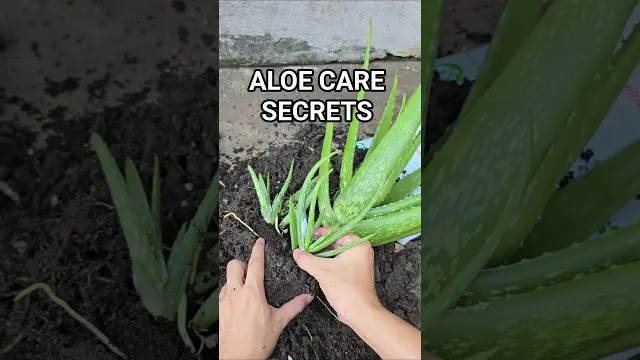
 Routine Care and Organic Fertilization for Healthy Aloe Plants
#Organic Gardening
1 ideas
Routine Care and Organic Fertilization for Healthy Aloe Plants
Get new #Organic Gardening ideas by email
Every Thursday: the week's best ideas, with the newest from #Organic Gardening.
Related tags
Organic Gardening Basics and Natural Growing Methods
Organic gardening is a way of growing flowers, herbs, vegetables, and fruit with an emphasis on healthy soil, natural balance, and careful observation. Instead of relying on synthetic fertilizers and chemical controls, you focus on building a living garden system that can support plants over time. It is not a single technique but a broad approach to gardening, one that values compost, mulch, biodiversity, and patient care.
What organic gardening means
At its heart, organic gardening begins with the soil. Healthy soil is rich in organic matter, holds moisture well, and gives plant roots space to grow. Gardeners often improve it with compost, well-rotted manure, leaf mold, or other natural materials that break down gradually and feed the life in the soil. When the soil is balanced, plants are often more resilient and easier to maintain.
Organic gardening also encourages working with nature rather than against it. That means choosing the right plant for the right place, saving water where possible, encouraging helpful insects, and accepting that some leaf damage or insect activity is part of a living garden.
Read more
Common methods and materials
A good organic garden usually includes several simple practices:
- Composting kitchen scraps and garden waste to make rich soil amendment
- Mulching around plants to reduce weeds, conserve moisture, and protect roots
- Rotating crops in vegetable beds to help reduce soil fatigue and pest buildup
- Mixing flowers and herbs with vegetables to create a more diverse planting area
- Watering deeply and less often, rather than giving very frequent light watering
Natural fertilizers are often used carefully and in moderation. Compost is one of the most versatile choices, but gardeners may also use plant-based feeds, manure that has been properly aged, or other soil-building amendments suited to the crop and soil type.
Main styles of organic gardening
Organic gardening can take different forms depending on space and goals. Some people grow a small kitchen garden with herbs and salad leaves. Others keep fruit trees, berry patches, or mixed borders with edible and ornamental plants together. Some gardeners prefer raised beds, while others work directly in the ground. Container gardening can also be organic if the soil mix, fertilizers, and pest control methods are chosen thoughtfully.
You may also hear about companion planting, which places certain plants near one another to make the most of space or to help support a balanced garden. While it is not a magic solution, it can be one useful part of a thoughtful planting plan.
What beginners should know
If you are new to organic gardening, start small. A few healthy beds or pots are easier to manage than a large space that becomes overwhelming. Choose plants that suit your climate, light, and soil conditions. Observe how much sun your garden gets, how water moves through the soil, and which areas dry out quickly.
It is also important to be patient. Organic gardening often works gradually. Soil improvement, pest balance, and strong plant growth usually develop over time. Focus on steady habits rather than quick fixes.
Practical tips for success
- Feed the soil regularly with compost or other organic matter
- Keep the ground covered with mulch or living plants
- Remove diseased material promptly and dispose of it carefully
- Water at the base of plants when possible to keep leaves dry
- Watch for pests early, before they spread widely
- Accept a little imperfection; a natural garden is rarely flawless
With time, organic gardening can become a rewarding routine. It asks for attention, but it gives back through healthier soil, more varied plant life, and a closer connection to the rhythms of the garden.
Videos come from YouTube and posts from Instagram; titles and summaries are our own. All rights belong to their creators.