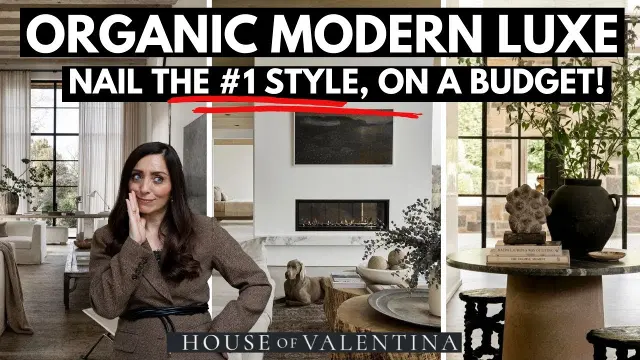
 Mastering the Organic Modern Luxe Interior Design Trend
#Organic Home
12 ideas
Mastering the Organic Modern Luxe Interior Design Trend
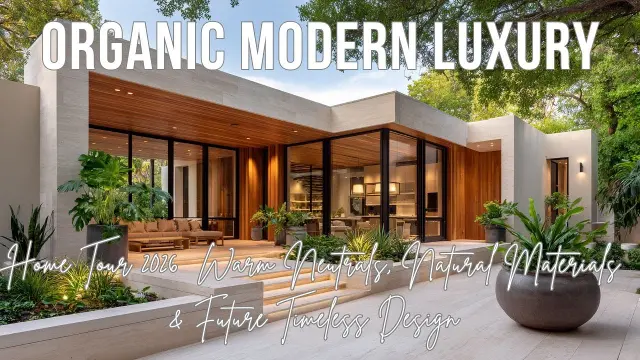 Organic Modern Luxury Home Tour with Warm Neutrals
 Styling a Cozy Living Room with Organic Modern Fall Decor
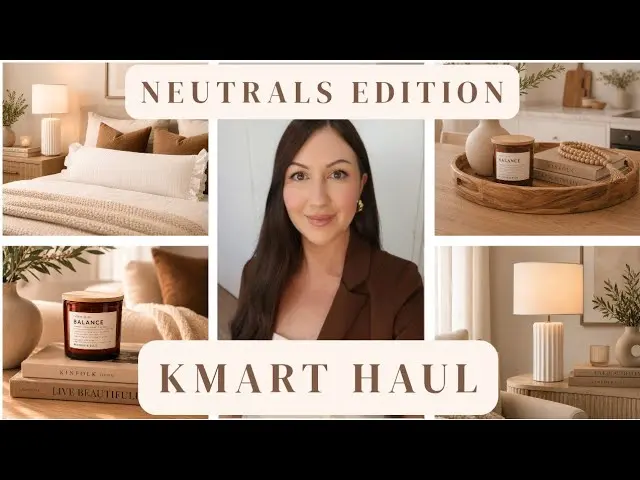 Affordable Neutral Home Decor Haul and Styling Tips
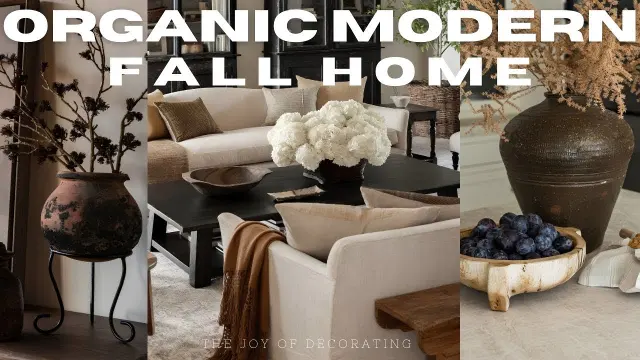 Designer Secrets for Modern Organic Fall Decorating
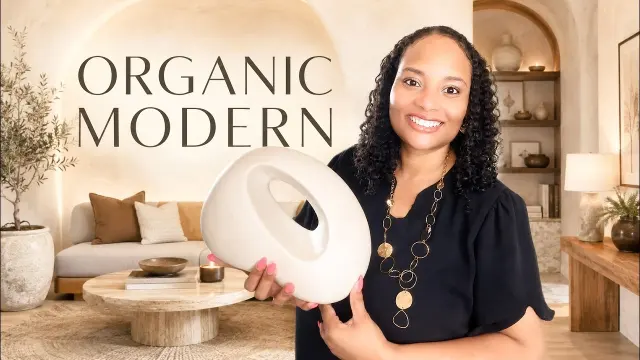 Understanding the Timeless Organic Modern Design Style
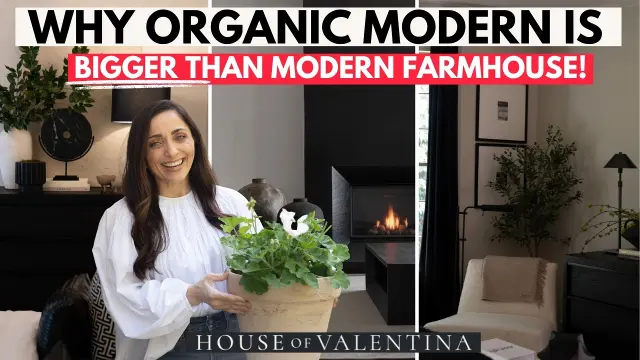 Why the Organic Modern Design Style is Taking Over
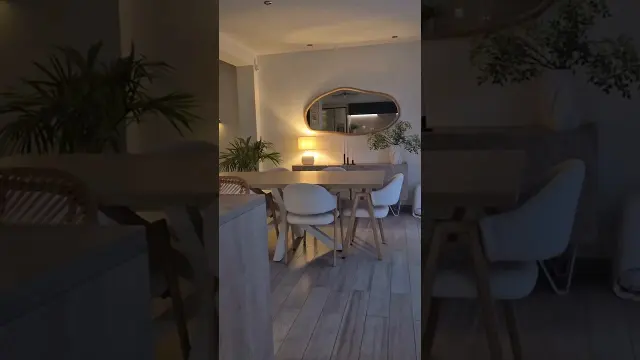 Scandi-Chic Dining Room with Organic Modern Design
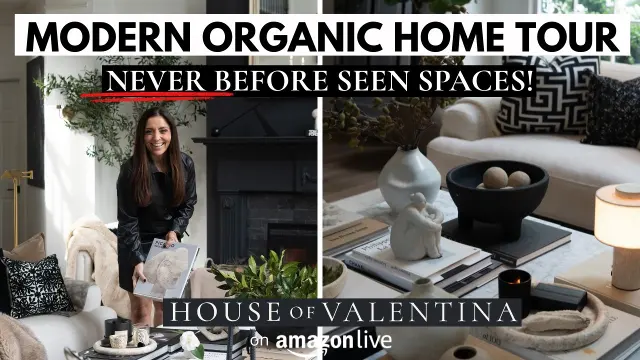 A Walkthrough Tour of a Modern Organic Home
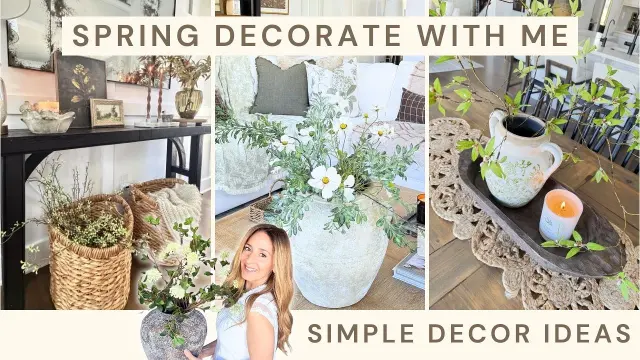 Natural Spring Decor Ideas for a Calm Organic Home
 Luxury Mediterranean Modern Estate House Tour
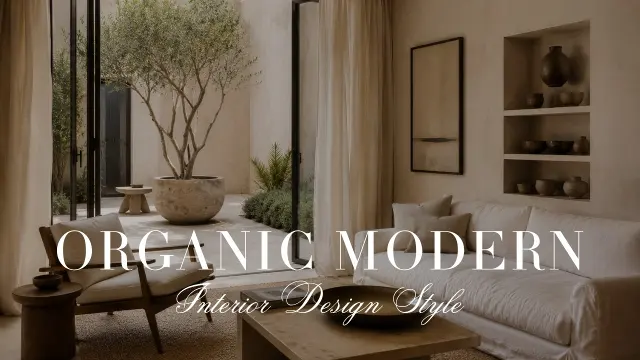 Organic modern interiors combining clean lines and natural materials
Get new #Organic Home ideas by email
Every Thursday: the week's best ideas, with the newest from #Organic Home.
Related tags
Organic Home: Natural, Calm, Timeless Interiors
What an organic home means
An organic home is a living space shaped by nature, comfort, and simplicity. It usually blends natural materials, soft textures, gentle colors, and relaxed forms to create a room that feels calm and easy to live in. The style draws inspiration from the outdoors, but it is not about copying nature literally. Instead, it brings in a sense of warmth, balance, and ease.
You can think of it as a home that feels grounded. Wood, stone, linen, cotton, wool, rattan, clay, and other natural finishes often play a big role. The look is usually quiet rather than decorated, with an emphasis on texture, light, and open space.
Where the style comes from
Read more
Organic interiors grew from a broader interest in living with fewer unnecessary things and choosing materials that feel honest and lasting. It shares ideas with natural, rustic, Scandinavian, and minimalist design, but it is softer than strict minimalism and less polished than formal interiors. The focus is on comfort and a close connection to the natural world.
This style can work in almost any home because it is based more on feeling than on rigid rules. A small apartment, a family house, or a cottage can all feel organic if the materials, colors, and shapes are chosen with care.
Common features
An organic home often includes:
- Warm neutral tones such as white, beige, sand, stone, and muted brown
- Natural textures that add depth without visual clutter
- Curved or softened shapes rather than sharp, hard edges
- Handmade or simple objects that feel personal
- Plenty of natural light and an uncluttered layout
- Plants, dried stems, or other natural accents used sparingly
The aim is not to make a room look bare. Instead, it is to let every item feel intentional and restful.
How to create the look
If you are starting from scratch, begin with a calm base. Choose a few neutral colors and build from there. Then add texture through rugs, throws, cushions, baskets, and curtains. Mixing different natural materials helps a room feel layered without becoming busy.
It can help to keep furniture simple and well-proportioned. A wooden table, a linen sofa cover, or a woven chair can carry the style without needing much else. Handmade ceramics, simple artwork, and a few personal objects can finish the room in a gentle way.
Practical tips for beginners
- Start with one room instead of changing everything at once
- Choose fewer, better pieces rather than filling the space quickly
- Repeat a small palette of colors to keep the room calm
- Mix smooth and rough textures so the space feels rich but relaxed
- Leave some empty space so the room can breathe
- Use natural light as much as possible
- Add plants carefully, so they support the room instead of taking over
Keeping it warm and lived-in
A true organic home should never feel cold or overly styled. The most inviting spaces have signs of real life: a soft blanket, a favorite cup, a well-used chair, or a stack of books. Balance is important. Too much restraint can feel sterile, while too many decorative objects can take away the calm feeling.
If you want the style to last, choose items that are practical as well as beautiful. When a room reflects both comfort and simplicity, it stays timeless and easy to enjoy.
#Organic Home: frequently asked questions
How do I start creating an organic home without redesigning everything at once?
Begin with one room and build a calm base using soft neutral colors, then add natural textures through rugs, throws, curtains, and woven accents. Choosing a few simple, well-made pieces helps the space feel intentional without becoming crowded.
What materials and colors work best in an organic home?
Natural materials like wood, linen, cotton, wool, rattan, stone, and clay are at the heart of the look. For color, gentle tones such as white, beige, sand, stone, and muted brown create the relaxed feeling this style is known for.
Should an organic home look minimal or cozy?
It should feel calm and uncluttered, but not empty or cold. The best organic interiors balance open space with warm textures, soft shapes, and a few personal items that make the room feel lived-in.
How do I keep an organic room from looking too plain?
Mix different natural textures so the room has depth, such as pairing smooth surfaces with woven or nubby finishes. Add a few handmade objects, simple artwork, or a plant or two to bring warmth without breaking the quiet look.
What are common mistakes to avoid when styling an organic home?
One common mistake is adding too many decorative items, which can make the space feel busy instead of restful. Another is using only one type of finish or texture, since the style relies on gentle layering and balance to feel natural.
How can I adapt the organic home style for a special occasion or seasonal decor?
Keep the base room simple and then add a few seasonal touches, like dried stems, soft textiles, or subtle natural accents. For a cozy gathering, focus on warm light, tactile materials, and a restrained palette so the space still feels calm and inviting.
Videos come from YouTube and posts from Instagram; titles and summaries are our own. All rights belong to their creators.