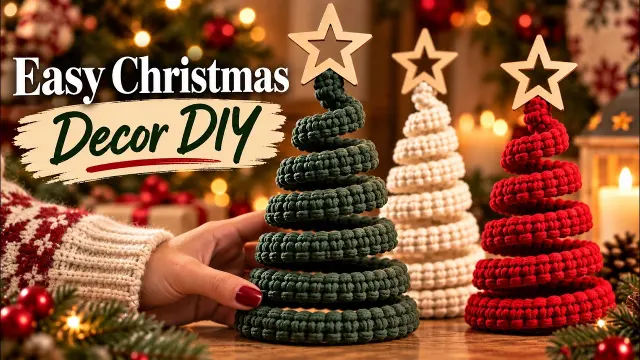
 Macrame Christmas Tree Ornament Easy DIY
#Ornament
1 ideas
Macrame Christmas Tree Ornament Easy DIY
Get new #Ornament ideas by email
Every Thursday: the week's best ideas, with the newest from #Ornament.
Related tags
Ornament: A Guide to Decorative Detail
Ornament is a broad word for a decorative detail added to make something more beautiful or expressive. It can be a carved motif on furniture, a hanging decoration for a tree, a stitched border on fabric, or a small object displayed for a special season or memory. Across cultures and centuries, ornament has been part of everyday life, from architecture and ceramics to jewellery, textiles, and handmade keepsakes.
At its heart, ornament is about embellishment. It does not usually serve the main practical function of an object, but it can shape the mood, style, and meaning of that object. A simple bowl becomes more personal with painted patterns. A plain room feels warmer with a few carefully chosen decorative pieces. A handmade ornament can also carry sentiment, especially when it is tied to a family tradition, a holiday, or a gift.
Where ornament comes from
Ornamental design is one of the oldest forms of human creativity. People have long decorated useful things with lines, symbols, flowers, animals, and geometric shapes. In many traditions, ornament has carried cultural meaning as well as beauty, reflecting beliefs, seasons, nature, or craftsmanship. Over time, ornament has appeared in many forms: carving, embroidery, beadwork, paper folding, metalwork, glasswork, and more.
Read more
Common kinds of ornament
Ornaments can be grouped in many ways, depending on the material and purpose:
- Hanging ornaments for trees, windows, or walls
- Architectural ornaments such as mouldings, trims, and carved details
- Textile ornaments like embroidery, lace, tassels, and appliqué
- Table and shelf ornaments such as figurines, bowls, and decorative objects
- Seasonal ornaments made for celebrations, gifts, or rituals
Some ornaments are simple and minimal, while others are highly detailed and layered. The style often depends on the setting: a small keepsake may be delicate and personal, while a room decoration may be bolder and more visible from a distance.
Styles and techniques
Ornament can be made in many styles, from classic to rustic to handmade and playful. You might see repeated shapes, floral themes, natural fibres, metallic finishes, or soft textures. The technique matters just as much as the design. Common methods include knotting, sewing, carving, painting, beading, folding, and assembling found materials.
If you are making your own ornament, start with a clear shape or theme. Simpler forms are often easier to finish neatly. Good proportion is important: too many details can overwhelm a small piece, while a single strong feature can make it feel balanced and elegant.
Practical tips for beginners
- Begin with one material you enjoy working with, such as paper, fabric, wood, clay, or thread.
- Keep the size manageable so the ornament feels polished rather than crowded.
- Repeat a small set of shapes or colours for a more harmonious look.
- Leave some empty space; ornament often looks better when it can breathe.
- If the piece will be handled often, choose sturdy materials and secure joins carefully.
Ornament is most successful when it feels thoughtful, not cluttered. Whether you are decorating a home, making a gift, or adding detail to a handmade piece, a well-chosen ornament can bring warmth, character, and a sense of care.
Videos come from YouTube and posts from Instagram; titles and summaries are our own. All rights belong to their creators.