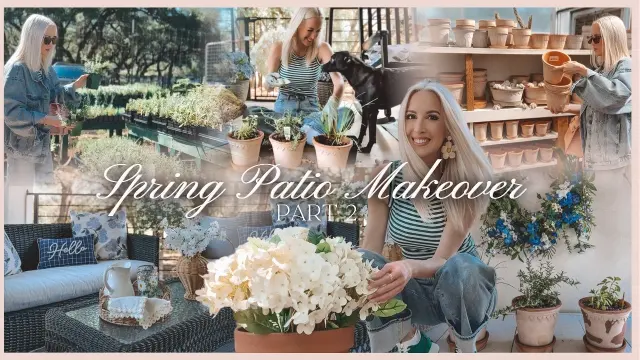
 Spring and Summer Outdoor Patio Decorating Ideas
#Outdoor Decorating
1 ideas
Spring and Summer Outdoor Patio Decorating Ideas
Get new #Outdoor Decorating ideas by email
Every Thursday: the week's best ideas, with the newest from #Outdoor Decorating.
Related tags
Outdoor Decorating Ideas and Essentials
Outdoor decorating
Outdoor decorating is the art of making an exterior space feel comfortable, attractive, and useful. It can apply to a small balcony, a front porch, a terrace, a patio, a garden seating area, or even a simple doorstep. The goal is similar to interior decorating: to create a space that reflects your style and supports the way you want to use it. Outdoors, though, you also need to think about weather, sunlight, storage, and materials that can handle more wear.
Where to begin
The easiest way to start is by deciding how you want the space to function. Do you want a quiet place for reading, a spot for eating, an area for entertaining, or a family-friendly corner for everyday use? Once you know the purpose, you can choose the main pieces first. Seating, a table, and shade usually come before smaller decorative details.
Read more
Think about scale as well. In a small space, too many items can make the area feel crowded. In a larger garden, a few well-placed pieces may look too sparse, so you may need rugs, planters, or grouped furniture to create a sense of structure.
Common elements of outdoor decor
Outdoor decorating often combines practical and decorative pieces. Some of the most common elements are:
- Furniture: chairs, benches, sofas, stools, and tables
- Textiles: cushions, throws, outdoor rugs, and table linens
- Lighting: lanterns, string lights, wall lights, and candles in protected holders
- Plants: pots, hanging baskets, herbs, flowers, shrubs, and climbing plants
- Accessories: trays, planters, mirrors made for outdoor use, and decorative objects
Together, these pieces help define the mood of the space. Natural materials can make an area feel relaxed and grounded, while cleaner lines and simple color choices can create a more modern look.
Styles and approaches
Outdoor decor can follow many styles. A rustic space might use wood, wicker, and lots of greenery. A classic look often relies on symmetry, simple furniture, and traditional planters. A relaxed, casual space may mix soft textiles, layered seating, and informal arrangements. If you prefer a more pared-back look, choose a limited color palette and repeat a few materials for a calm effect.
The best outdoor decorating usually works with the surroundings instead of fighting them. Use the architecture, garden shape, and available light as a guide.
Practical tips
Choose materials that suit the weather where you live, and store softer items when they are not in use. Keep pathways clear so the space feels easy to move through. Use plants in different heights to add depth and soften hard surfaces. If you have a small area, mirror the eye with vertical elements such as trellises, hanging plants, or tall planters. For a welcoming feel, combine comfort and function: a good seat, a place to set down a drink, and lighting that works in the evening.
Above all, outdoor decorating is most successful when it feels livable. Start with the essentials, add a few meaningful details, and let the space grow gradually as you discover how you use it.
#Outdoor Decorating: frequently asked questions
How do I start decorating an outdoor space?
Begin by deciding how you want to use the area — a quiet reading corner, a spot for meals, or a place for gathering with others. That purpose then guides your main purchases, since seating, a table and some form of shade usually matter more than small decorative pieces. Add the details gradually once the basics are in place.
What do I actually need to buy first for a patio or balcony?
Start with the functional core: somewhere comfortable to sit, a surface to set things down, and something that gives shade or shelter from the sun. After that, layer in softer items like cushions and an outdoor rug, then lighting so the space still works in the evening. Buying in that order keeps you from filling the area with objects that serve no use.
Which outdoor decorating style should I choose?
Look at what is already there — the architecture, the shape of the garden and how the light falls — and let that point you toward a direction rather than picking a look at random. Rustic spaces lean on wood, wicker and greenery, classic ones on symmetry and traditional planters, and relaxed ones on mixed textiles and informal seating. Repeating a few materials and a narrow color palette will keep whichever style you pick feeling calm and intentional.
How do I take care of outdoor furniture and textiles?
Choose materials suited to the climate you live in, and bring softer items such as cushions and throws indoors when they are not being used. Check pieces regularly for damp, dirt or wear, and clean them before grime has a chance to settle in. Anything left out year-round benefits from a cover or sheltered spot during rough weather.
How can I make a small outdoor space feel welcoming?
Avoid crowding it — a few well-chosen pieces read better than a lot of small ones, and clear pathways make the area feel easier to move through. Use vertical elements like trellises, hanging plants or tall planters to draw the eye upward and add depth. Finish with a comfortable seat, a place to put down a drink, and lighting that works after dark.
What are common mistakes in outdoor decorating?
One frequent slip is buying decorative extras before sorting out the seating, shade and table the space really needs. Another is ignoring scale, so small areas feel cramped while large ones look bare and unfurnished. It also pays to remember the weather: materials and fabrics that cannot handle sun, rain or wind will not last, no matter how good they look.
Videos come from YouTube and posts from Instagram; titles and summaries are our own. All rights belong to their creators.