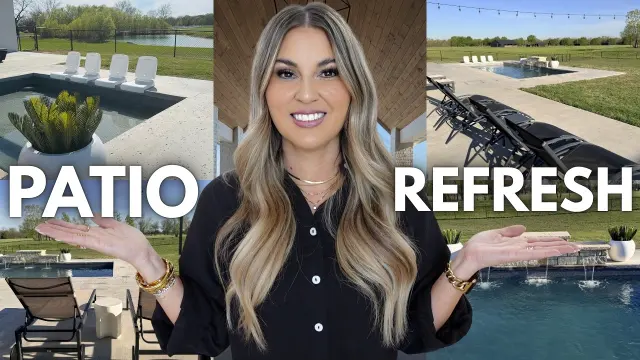
 Huge Summer Patio Refresh and Budget Backyard Makeover
#Outdoor Projects
1 ideas
Huge Summer Patio Refresh and Budget Backyard Makeover
Get new #Outdoor Projects ideas by email
Every Thursday: the week's best ideas, with the newest from #Outdoor Projects.
Related tags
Outdoor Projects: Ideas for Gardens and Patios
Outdoor projects are improvements you make in open-air spaces such as gardens, patios, balconies, courtyards, and backyards. They can be large or small, from building a seating area or planting a border to adding lighting, storage, or a path. For many people, these projects are a way to make outdoor space more comfortable, useful, and personal.
What outdoor projects can include
Outdoor projects cover a wide range of work. Some focus on structure, such as fences, decks, pergolas, raised beds, or stepping stones. Others are more decorative, like planters, painted pots, outdoor cushions, or garden styling. Many projects combine both function and beauty, helping a space work better while also making it feel inviting.
If you are new to this kind of work, it helps to start with one clear goal. You may want more seating, better storage, easier planting, or a cleaner layout. A simple project with a clear purpose is often easier to finish and more satisfying than trying to do everything at once.
Read more
Common styles and approaches
Outdoor projects often follow the character of the home and garden. A natural style uses plants, wood, stone, and simple shapes. A formal style tends to be more structured, with straight lines, repeating patterns, and defined borders. Relaxed or rustic spaces often mix practical materials with soft planting and casual furniture.
You may also see projects shaped by use. Family spaces often need durable surfaces and easy maintenance. Entertaining spaces may focus on seating, lighting, and atmosphere. Small spaces usually need clever storage and multi-use pieces, while larger gardens may benefit from clear zones for dining, relaxing, and planting.
Planning your project
Good outdoor work starts with observation. Look at sun, shade, wind, drainage, and how people already move through the space. Think about what you use the area for now, and what would make it more enjoyable. Measure carefully before buying materials or building anything.
It is also wise to match the scale of the project to your space and your skills. A few well-chosen changes can have more impact than a complicated plan that becomes difficult to maintain. If a project involves digging, lifting, or structural changes, take time to learn safe methods and local requirements.
Materials and maintenance
Outdoor materials need to cope with weather. Choose finishes and fabrics made for outdoor use, and expect that even durable items will need care over time. Wood may need sealing or cleaning, metal may need protection from rust, and fabrics may need washing or storage during harsh weather.
Plants are part of many outdoor projects too. Pick varieties that suit your climate, light levels, and level of care. Grouping plants with similar needs makes upkeep easier and helps the space stay tidy.
Practical tips for beginners
- Begin with one area instead of the whole garden.
- Keep the design simple and repeat a few materials or colors.
- Use plants and objects at different heights for balance.
- Leave room to walk, sit, and move things around.
- Choose durable items that are easy to clean.
- Make sure drainage and access are considered before you build.
- Plan for regular maintenance so the space stays attractive over time.
Outdoor projects work best when they are useful, comfortable, and suited to the way you live. With thoughtful planning and a steady approach, even small changes can transform an outdoor space into somewhere you enjoy using every day.
#Outdoor Projects: frequently asked questions
How do I start an outdoor project without getting overwhelmed?
Pick one clear goal for a single area rather than tackling the whole garden at once — more seating, better storage, easier planting, or a tidier layout. A small project with a defined purpose is easier to finish and usually feels more satisfying than a sprawling plan you can't maintain.
What should I think about before buying materials or building anything?
Spend time observing the space first: how the sun moves, where shade and wind sit, how water drains, and the routes people already take through it. Measure carefully before purchasing, and match the scale of the work to both the size of the space and your own skill level.
Which style of outdoor project should I choose?
Let the character of your home and garden guide you — natural styles lean on plants, wood, stone and simple shapes, while formal ones use straight lines and repeating patterns. Function matters just as much, so think about whether the space serves family use, entertaining, or a small footprint, and design around that.
How do I keep an outdoor space looking good over time?
Choose finishes and fabrics made for outdoor conditions, and accept that even tough materials will need attention eventually — wood may need sealing, metal protection from rust, fabrics washing or storing away in bad weather. Grouping plants with similar light and water needs makes routine upkeep much simpler.
What are the most common mistakes beginners make outdoors?
Trying to do everything at once, cramming the space so there's no room to walk or move furniture, and ignoring drainage or access before building. Another frequent slip is mixing too many materials and colors instead of repeating a few for a calmer, more balanced look.
Can a small space or a tight budget still get a real refresh?
Yes — small areas often respond best to clever storage and multi-use pieces rather than big structural work, and a few well-chosen changes can have more impact than an elaborate plan. Simple decorative touches like planters, lighting and outdoor cushions go a long way when you keep the palette consistent.
Videos come from YouTube and posts from Instagram; titles and summaries are our own. All rights belong to their creators.