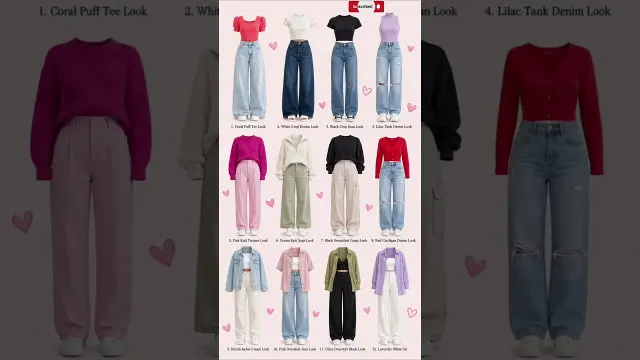
 Twelve Casual Outfit Combinations Built From Wardrobe Basics
#Overshirts
1 ideas
Twelve Casual Outfit Combinations Built From Wardrobe Basics
Get new #Overshirts ideas by email
Every Thursday: the week's best ideas, with the newest from #Overshirts.
Related tags
Overshirts: A Simple Guide to Wearing the Layering Staple
An overshirt is exactly what the name suggests: a shirt built a little roomier and a little sturdier than the one you would wear on its own, so it can sit over something else as a light outer layer. It has a collar, a button placket and usually a couple of chest pockets, and it stops somewhere around the hip. The difference between an overshirt and a regular shirt is mostly one of intention — thicker cloth, a more generous cut, and the assumption that you will wear it open over a tee, a knit or another shirt rather than buttoned against your skin.
Where it comes from
The garment grew out of workwear and utility clothing. Labourers, mechanics, farmers and soldiers needed a layer that could take abrasion, hold a few small tools and be shrugged off when the day warmed up. Those garments were cut loose so they could go over other clothes, and the details — flap pockets, reinforced seams, hard-wearing cotton — were there for function rather than style. Over time the shape moved into everyday wardrobes, and the same practical logic still explains why it works.
The main kinds
Read more
The broadest split is between the shirt-like overshirt, in cotton poplin, twill or flannel, and the heavier shirt jacket, often in wool blends, corduroy, denim or quilted fabric, which functions more like a light jacket. In between sit moleskin and brushed cotton versions for cold weather, and linen or lightweight cotton for summer evenings. You will also find overshirts borrowed from other traditions: the flat-fronted, pocket-heavy work jacket, the soft brushed pullover shirt, and the loose, boxy cuts that read as relaxed rather than rugged.
Fabric and fit
Look first at the fabric weight. Something mid-weight with a bit of body will hold its shape and drape well; fabric that is too thin will cling and look like a shirt that simply does not fit. Natural fibres — cotton, linen, wool — breathe and age better than synthetics, though blends can add durability. On fit, the shoulders should land close to your own, the body should have room for a layer underneath, and the sleeve should end near the wrist without swallowing your hands. If you plan to wear it open most of the time, a slightly boxier cut looks intentional; if you want to button it up, keep it closer to your usual shirt size.
Wearing one well
The simplest approach is to treat it as the middle layer of three: a plain tee or fine knit underneath, the overshirt over that, and a coat on top when it is genuinely cold. Letting the hem and cuffs of the inner layer show is part of the charm. Keep the rest of the outfit quiet — one colour family, one statement piece — and the overshirt becomes the thing that holds everything together. Rolling the sleeves once or twice changes the whole mood from tidy to casual.
Practical notes
Wash heavy cottons sparingly and inside out, and let them dry flat or on a hanger to keep the shape. Corduroy and wool prefer a brush and fresh air to frequent washing. Try a few on in person if you can: an overshirt lives or dies by the shoulder line, and that is difficult to judge from a picture.
Videos come from YouTube and posts from Instagram; titles and summaries are our own. All rights belong to their creators.