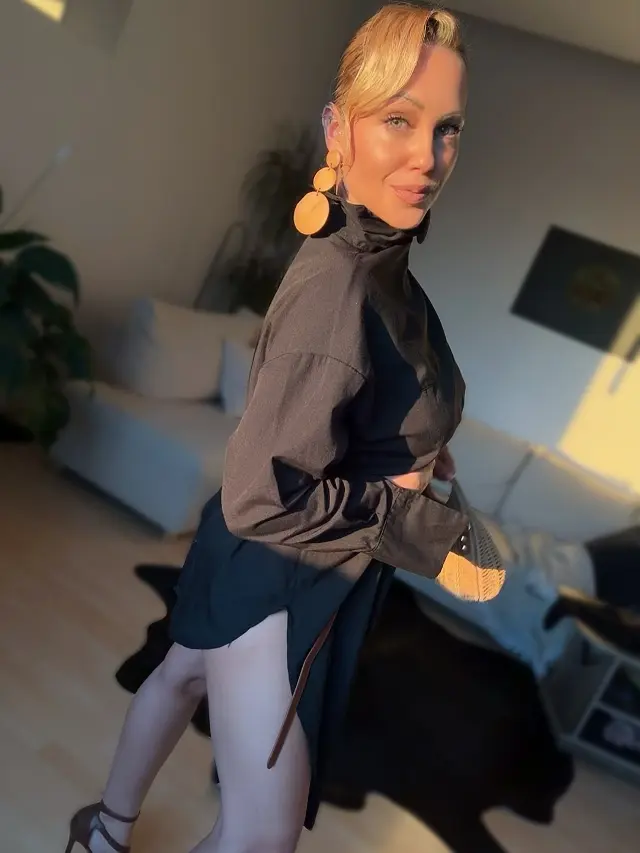
 Comparing Oversized Fit Versus Fitted Look Outfits
#Oversized Fit
1 ideas
Comparing Oversized Fit Versus Fitted Look Outfits
Get new #Oversized Fit ideas by email
Every Thursday: the week's best ideas, with the newest from #Oversized Fit.
Related tags
Oversized Fit: How to Wear Relaxed Silhouettes Well
Oversized fit describes clothing cut deliberately larger than the body, with extra room through the chest, shoulders, sleeves or legs. The extra volume is the point, not an accident of sizing: a garment made this way has its seams, armholes and proportions drawn for a loose silhouette rather than simply scaled up from a smaller size. That distinction matters, because a shirt three sizes too big for you will hang differently from a shirt designed to sit that way.
Where the look comes from
Roominess has practical roots. Workwear, fisherman's knits, military surplus and sportswear were all built for movement and layering long before anyone called them a style. Through the twentieth century the loose shape moved between function and fashion: the wide trousers and long coats of tailoring traditions, the draped volumes of Japanese design, the baggy denim and sweatshirts of hip-hop and skate culture, the slouch of nineties grunge. Each borrowed the same idea — fabric that stands away from the body — and gave it a different mood.
Why proportion does the work
Read more
An oversized outfit succeeds or fails on balance, not on size. Volume needs something to contrast with, so most people look most at ease when one part of the look is generous and another is closer to the body: wide trousers with a fitted top, a big coat over slim legs, a boxy jacket with a straight skirt. Watch the shoulder seam, too. A seam that falls well down the arm gives a relaxed, slouched effect; one that sits near your natural shoulder reads as merely roomy. Neither is wrong, but they belong to different moods.
Length matters as much as width. A long, wide garment can make you look shorter than you are, which is fine if that is the intent and awkward if it is not. Hemlines at the widest part of the body tend to add bulk; hemlines just above or below that point tend to look cleaner.
Getting started
- Try one oversized piece at a time. A single relaxed element reads as a choice; several together need deliberate styling.
- Choose fabrics with body. Stiff cotton, wool coating and heavy jersey hold a shape, while thin, clingy knits collapse and can look simply too big.
- Use small adjustments. A partial tuck at the front, a pushed-up sleeve, a belt at the waist or a rolled cuff changes the line without changing the garment.
- Think about shoes. A heavier sole or a chunkier boot balances volume above; a very delicate shoe can make a wide silhouette look top-heavy.
- Layer with intent. Oversized pieces work well over close-fitting ones, and a long open shirt or jacket worn over a simple base gives depth without clutter.
A note on comfort
The real appeal of the oversized fit is ease. Clothes that do not grip or restrict let you move, sit and breathe, and they suit many body shapes precisely because they do not insist on a single outline. Start with one piece you genuinely enjoy wearing, notice how it changes the proportions of what you already own, and build from there. Fit is a language of proportion, and the loose silhouette is simply one of its warmer, more forgiving sentences.
#Oversized Fit: frequently asked questions
How do I start wearing an oversized fit without looking like I borrowed someone's clothes?
Begin with a single relaxed piece and keep the rest of the outfit closer to the body, so the volume reads as intentional rather than accidental. Choose garments that were designed with a loose cut rather than sizing up in something fitted, since the seams and armholes sit differently. Once that one piece feels natural, add a second.
What should I look for when choosing an oversized piece?
Fabric matters as much as cut: crisp cotton, wool coating and heavy jersey hold a shape, while thin clingy knits tend to collapse and just look too big. Check where the shoulder seam lands, because a seam set near your natural shoulder gives a roomy look while one dropping down the arm gives a slouched one. Consider hem length too, since hems at the widest part of the body add bulk.
How do I balance an oversized top or jacket with the rest of my outfit?
Pair volume with something closer to the body — wide trousers with a fitted top, a boxy jacket over a straight skirt, a big coat over slim legs. Small adjustments like a partial front tuck, a pushed-up sleeve, a waist belt or a rolled cuff reshape the line without altering the garment. Heavier shoes or a chunkier boot help balance a wide silhouette above.
What are the common mistakes people make with oversized fit?
Wearing several loose elements at once without styling them deliberately is the usual trap, since the outfit loses all contrast. Another is choosing thin, drapey fabric that droops instead of holding the intended shape. Ignoring proportion is a third — a long, wide garment changes how tall you appear, which is fine as a choice but awkward as an accident.
How should I care for oversized clothing so it keeps its shape?
Follow the care label, and be gentle with pieces whose whole appeal is their structure — heavy knits and wool coating lose their line when washed or dried too aggressively. Fold bulky knits rather than hanging them, since hangers can stretch the shoulders out of shape. Store them with a little room so the volume is not compressed.
Can oversized fit work for a dressed-up occasion?
Yes — the slouch has a long history in tailoring and draped design, so a loose coat, wide trousers or a generous shirt can look considered rather than casual. Keep the fabric crisp and the rest of the look simple, letting the single oversized element carry the outfit. Pay attention to shoes and finishing details, since they signal whether the looseness is deliberate.
Videos come from YouTube and posts from Instagram; titles and summaries are our own. All rights belong to their creators.