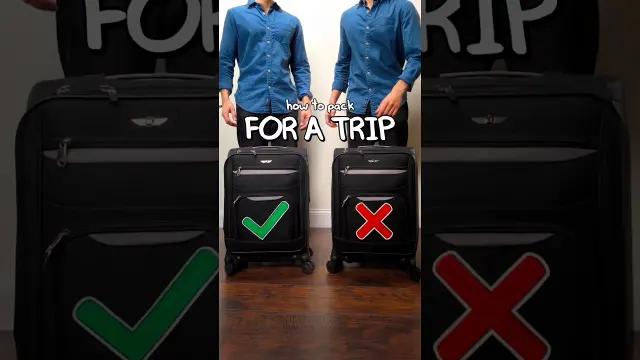
 How to Pack for a Trip: A Practical Walkthrough
#Packing Basics
1 ideas
How to Pack for a Trip: A Practical Walkthrough
Get new #Packing Basics ideas by email
Every Thursday: the week's best ideas, with the newest from #Packing Basics.
Related tags
Packing Basics for Travel
Packing Basics
Packing is the simple skill of choosing what to bring, how to fit it together, and how to keep it easy to carry and find when you arrive. It comes up whenever you travel, whether you are going away for a weekend, a long holiday, or a work trip. Good packing is less about squeezing in as much as possible and more about making thoughtful choices.
At its core, packing began as a practical need: people needed to carry clothing, food, tools, and personal items safely from one place to another. Over time, as travel became more common, packing turned into a small system of habits and methods. Today, the same idea still applies. The right approach helps you travel more comfortably, avoid overpacking, and reduce the stress of searching through a messy bag.
Choosing what to bring
Read more
A useful place to start is with the purpose of your trip. Think about the weather, the length of stay, the activities you expect, and whether you will have access to laundry. This usually gives you a clear sense of what is essential. Try to build your bag around pieces that work in more than one situation, especially when it comes to clothing and shoes.
A simple packing list can help you avoid forgetting basics. Common categories include:
- Clothing
- Underwear and sleepwear
- Toiletries
- Medication or personal care items
- Documents and travel essentials
- Chargers and small electronics
- Items for comfort, work, or children if needed
Common ways to pack
There is no single correct method. Some people fold clothes neatly, while others roll them to save space or make items easier to see. Packing cubes, pouches, and small bags can help separate categories and keep things tidy. A good system is one you can repeat without effort.
If you are packing a carry-on or a small bag, place the items you may need first in easy-to-reach spots. That often includes travel documents, a layer of clothing, snacks, or anything needed during the journey. Heavier items usually sit closer to the wheels or the bottom of the bag, depending on the shape of the luggage.
Practical tips for beginners
If you are new to packing, start by laying everything out before putting it into your bag. This makes it easier to see what is missing and what you may not actually need. Many beginners pack too much "just in case." A better approach is to choose versatile items and leave some empty space for things you may pick up along the way.
A few simple habits can make packing easier:
- Check your bag size before you begin
- Keep liquids sealed and grouped together
- Put valuables and essentials in your personal bag
- Use a list so you can repack the same way next time
- Leave time to pack calmly, rather than rushing at the last minute
Keeping it simple
The best packing is usually the kind you barely notice once you are on the move. If your bag is organized, light enough to carry, and suited to your plans, you are already doing well. With practice, you will get better at knowing what you actually use and what can stay at home.
#Packing Basics: frequently asked questions
How do I start packing without feeling overwhelmed?
Begin with the purpose of the trip rather than with the bag: think about the weather you expect, what you will be doing, and whether you can wash clothes along the way. Lay everything out first so you can see the full picture before anything goes in. Starting from a short written list keeps the task calm and repeatable, and it saves you from rushing at the last minute.
What should go on a basic packing list?
Most lists settle into the same few groups: clothing, underwear and sleepwear, toiletries, personal care items, documents and travel essentials, chargers and small electronics, and anything needed for comfort, work, or children. Treat the list as a starting point and adjust it to the trip rather than carrying every category every time. Once it works, reuse it, because repacking the same way gets faster with practice.
Should I fold or roll my clothes?
Neither way is wrong, and the better choice is simply the one you can repeat without thinking about it. Rolling tends to save space and makes items easier to spot, while folding keeps things flatter and neater, which suits structured bags. Pouches, cubes, and small bags matter more than the technique, since separating categories is what keeps a bag easy to search later.
How can I avoid overpacking?
Overpacking usually comes from packing for imagined situations, so choose items that work in more than one setting, especially clothing and shoes. Leave some empty space instead of filling every corner, since that room is what makes a bag light enough to carry and gives you space for things you pick up on the way. Building the bag around versatile pieces is what keeps it from growing.
Where should I put my valuables and the things I need during the journey?
Keep documents, valuables, and anything you may want before you arrive in your personal bag rather than in checked luggage, so they stay within reach. In a carry-on or small bag, put those first-needed items in spots you can get to easily. Heavier items generally belong near the wheels or the bottom, which keeps the bag balanced when you lift it.
What are common packing mistakes beginners make?
The most common one is bringing too much just in case, which makes the bag heavy and hard to organize. Another is packing in a hurry, which leads to forgotten basics and sealed liquids ending up loose among clothing. Checking your bag size before you start and grouping liquids together solves most of this before it happens.
Videos come from YouTube and posts from Instagram; titles and summaries are our own. All rights belong to their creators.