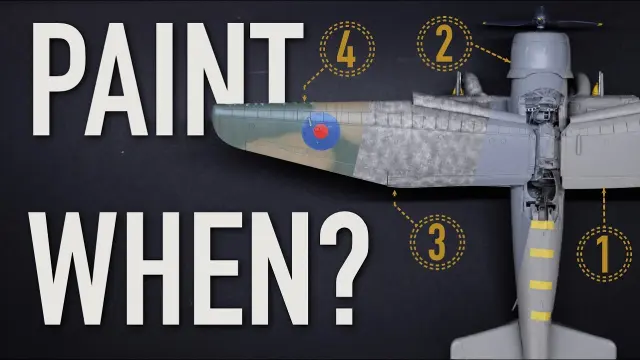
 Workflow Guide for Painting and Assembling Scale Model Aircraft
#Painting Guide
1 ideas
Workflow Guide for Painting and Assembling Scale Model Aircraft
Get new #Painting Guide ideas by email
Every Thursday: the week's best ideas, with the newest from #Painting Guide.
Related tags
Painting Guide for Beginners and Enthusiasts
Painting is one of the oldest and most flexible ways to make images, add color, and create atmosphere. People have used paint on walls, objects, paper, canvas, wood, metal, fabric, and many other surfaces for centuries. It can be expressive, decorative, realistic, or abstract, and it works just as well for careful detail as for loose, lively marks.
Understanding the basics
At its simplest, painting brings pigment together with a binder and, in some cases, a thinner or solvent so it can be spread onto a surface. Different paints behave differently, which is why it helps to know the main types before you begin. Water-based paints are usually easier to clean up and more beginner-friendly. Oil-based paints often allow slower blending and longer working time. Acrylics dry faster and are widely used because they can suit both simple and more advanced techniques. Watercolor is transparent and delicate, while gouache is more opaque and forgiving for flat color.
Choosing a surface
Read more
The surface you paint on shapes the result. Paper is common for watercolor, gouache, sketches, and studies. Canvas and panel are often used for acrylic and oil painting. Primed surfaces help paint sit properly and can improve durability. For many projects, a smooth surface makes fine details easier, while a textured surface can add character and visible brushwork.
Core techniques
There are many ways to paint, but a few basics appear again and again:
- Layering: building color gradually instead of trying to finish everything at once
- Blending: softening one color into another
- Dry brushing: using very little paint for a broken, textured effect
- Glazing: adding thin transparent layers to change color or depth
- Blocking in: placing large shapes and values first before details
- Washes: using diluted paint to cover an area lightly
If you are new to painting, start with simple shapes, a limited palette, and a small number of brushes. Learning to judge light and dark values is often more useful than chasing many colors at once.
Practical tips for beginners
Work from general shapes to small details. Keep your brushes clean and avoid overloading them with paint. Test colors on scrap paper or a spare surface before applying them to your final piece. If a painting feels muddy, pause and let layers dry before adding more. A sketch or underdrawing can help, but it does not need to be perfect.
Developing your own approach
Painting becomes easier when you practice regularly and notice how different materials behave. Some people prefer precise realism, while others enjoy loose marks and visible texture. Neither approach is better; the best method is the one that matches what you want to make. Over time, you will learn how much water, paint, pressure, and drying time suit your style.
Most of all, painting rewards patience. Small experiments, careful observation, and repeated practice will teach you far more than trying to make every piece finished and flawless.
#Painting Guide: frequently asked questions
How should a complete beginner start painting?
Begin with a few simple supplies and a modest goal rather than a full studio setup. Choose one medium, a limited palette, and a couple of brushes, then practice basic shapes and value studies before attempting finished pieces. Working from large shapes toward small details keeps early attempts from feeling overwhelmed.
What supplies do I actually need to begin?
You need paint, something to paint on, and a small set of brushes suited to your medium, plus water or solvent for cleanup depending on what you use. A palette for mixing, rags or paper towels, and scrap material for testing colors cover most of the rest. Add specialty items only once you know what your chosen medium demands.
Which type of paint is best for a beginner?
Water-based options such as acrylic and watercolor are generally the friendliest place to start because they clean up easily and dry predictably. Acrylic suits both simple and more advanced work, while gouache offers opaque flat color and watercolor rewards a lighter, more transparent touch. Oil paints allow slower blending and longer open working time, but ask for more patience and care.
How do I stop my painting from turning muddy?
Muddy color usually comes from overworking wet paint, so pause and let a layer dry before adding more. Keep mixtures simple, clean your brush between colors, and test each mix on scrap before committing it. Building up thin layers gradually protects the freshness of the color underneath.
Do I need to draw well before I can paint?
Not necessarily, but a light sketch or underdrawing helps place shapes and proportions before you commit paint. It does not need to be polished, since it mostly serves as a guide you will paint over. Many painters learn to judge light and dark values first and let drawing improve alongside painting.
How should I care for brushes and finished paintings?
Rinse brushes promptly after use and wash them with the appropriate soap or solvent for your medium, storing them bristle-up so water does not sit in the ferrule. Avoid leaving brushes standing in liquid, which damages the shape over time. Keep finished work out of direct sun and damp, and let it cure fully before framing or varnishing.
Videos come from YouTube and posts from Instagram; titles and summaries are our own. All rights belong to their creators.