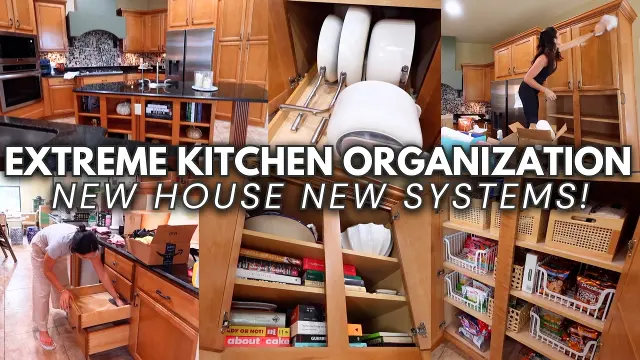
 Extreme Kitchen Organization in a New Home
#Pantry
2 ideas
Extreme Kitchen Organization in a New Home
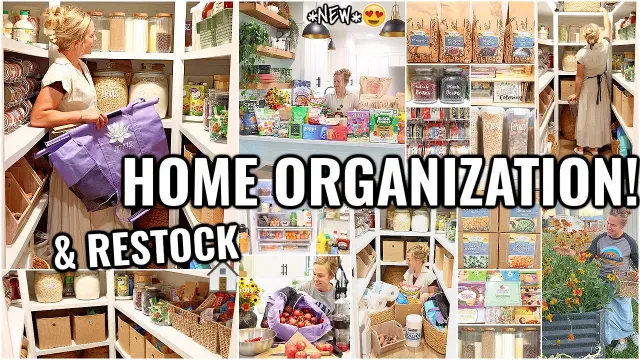 Home Organization Cleaning and Restocking Motivation
Get new #Pantry ideas by email
Every Thursday: the week's best ideas, with the newest from #Pantry.
Related tags
Pantry Organization and Storage Basics
What a pantry is
A pantry is a storage space for food, drinks, and kitchen basics. It may be a separate room, a cupboard, a cabinet, or a set of shelves, but the purpose is the same: to keep everyday ingredients close at hand and easy to find. Pantries have been part of homes for a long time, especially before modern kitchens offered built-in storage everywhere. Today, they are used for dried goods, tins, snacks, baking ingredients, breakfast foods, and household items that belong near the kitchen.
Common pantry types
Pantries can look very different from one home to another. Some are walk-in rooms with shelves on several sides. Others are narrow cupboards built into the kitchen layout. A small pantry might be just one tall cabinet or a few dedicated shelves. Whatever the size, the best pantry is one that matches how you cook and shop.
Read more
People often divide pantries into broad groups:
- Dry-goods storage for pasta, rice, flour, cereal, and grains
- Everyday pantry storage for tea, coffee, snacks, and breakfast items
- Back-up storage for extra tins, jars, and household staples
- Baking storage for sugars, sprinkles, extracts, and baking tools
How to organize one well
A good pantry makes it easy to see what you have and reach it without digging through piles. Start by grouping similar things together. Put breakfast foods together, baking items together, and snacks in one place. Keep the things you use most often at eye level or in the easiest-to-reach spots.
Clear containers can help you see what is inside, but they are not necessary for a tidy pantry. The most important thing is that your system is simple enough to keep using. Labels can help, especially if several people use the kitchen. If you prefer a less formal look, use baskets or boxes to hold loose packets and smaller items.
A few practical habits make a big difference:
- Keep older items near the front so they get used first
- Store similar shapes together to save space
- Use shelf risers or stacking containers if shelves are tall
- Leave a little room so the pantry does not become overcrowded
- Check regularly for items that are empty, stale, or no longer needed
Tips for beginners
If you are setting up a pantry for the first time, begin with what you already own. Empty the shelves, wipe them clean, and sort everything into simple groups. Then decide where each group should live. Do not try to make it perfect all at once. A pantry works best when it supports your habits instead of fighting them.
Choose storage that fits the shape of your shelves. Deep shelves can hide items in the back, so use bins or containers to bring things forward. Shallow shelves are easier to keep neat, but they still benefit from clear zones. If your pantry is small, focus on using vertical space and keeping only what you actually need.
Keeping it useful over time
A pantry stays organized when it is easy to return things to the right place. Make restocking part of your routine, and put similar items back together after shopping. If something keeps ending up in the wrong spot, the system may need to be simpler. The best pantry is not the most decorative one; it is the one that helps your kitchen feel calm, efficient, and easy to use every day.
Videos come from YouTube and posts from Instagram; titles and summaries are our own. All rights belong to their creators.