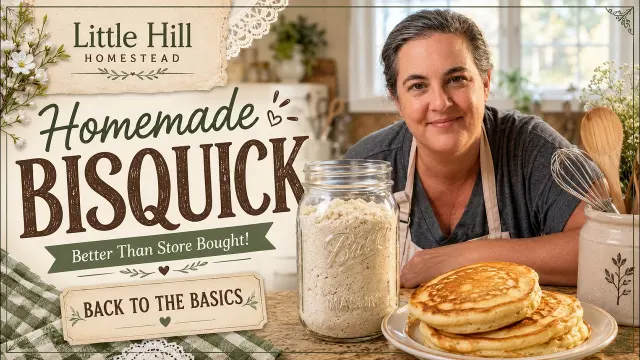
 How To Make Homemade Bisquick Baking Mix
#Pantry Staples
3 ideas
How To Make Homemade Bisquick Baking Mix
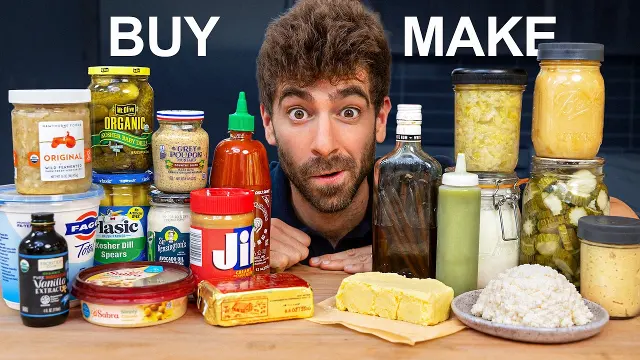 Testing Which Groceries Are Worth Making From Scratch
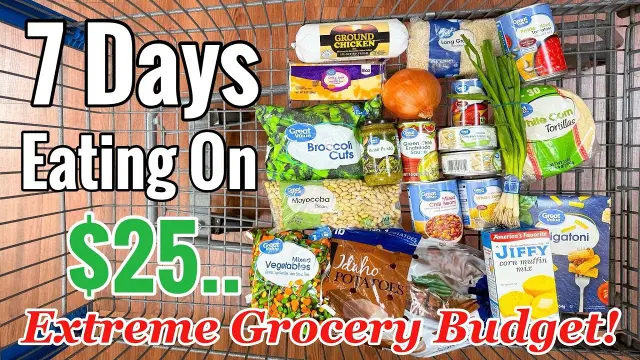 Turning Twenty Five Dollars Into Multiple Meals
Get new #Pantry Staples ideas by email
Every Thursday: the week's best ideas, with the newest from #Pantry Staples.
Related tags
Pantry Staples: The Essentials for Everyday Cooking
What pantry staples are
Pantry staples are the basic foods and ingredients you keep on hand for everyday cooking. They are the building blocks of simple meals: grains, pasta, canned goods, oils, spices, baking ingredients, and other shelf-stable items that help you make food without starting from scratch every time. A well-stocked pantry makes cooking feel easier, more flexible, and less wasteful, because you can build meals from what you already have.
The idea of a pantry has been around for a long time. Before modern supermarkets, households relied on stored foods to last between harvests, shopping trips, or seasons. Today, pantry staples still serve the same purpose: they give you a reliable base for breakfast, lunch, dinner, and baking.
Common pantry staples
Read more
What counts as a staple depends on how you eat, but many kitchens keep a few familiar basics:
- Grains and starches such as rice, oats, pasta, couscous, and flour
- Canned or jarred foods such as tomatoes, beans, tuna, coconut milk, and broth
- Cooking fats such as olive oil, neutral oil, butter, or ghee
- Seasonings such as salt, pepper, dried herbs, vinegar, soy sauce, and spices
- Sweeteners and baking basics such as sugar, honey, baking powder, baking soda, and vanilla
- Long-keeping flavor builders such as onions, garlic, potatoes, and stock cubes
- Snacks and quick meal helpers such as crackers, nuts, peanut butter, or shelf-stable milk
You do not need to buy everything at once. A practical pantry is one you can actually use before ingredients lose freshness.
How to build a useful pantry
Start with the meals you cook most often. If you like soups, keep broth, beans, tomatoes, and grains. If you make simple breakfasts, stock oats, jam, nut butter, or cereal. If you bake, keep flour, sugar, and leavening. Choosing foods you know you will use is better than filling shelves with items that sit untouched.
It also helps to think in combinations. A grain plus a protein plus a vegetable plus a flavoring can become a complete meal. For example, rice with beans and spices, pasta with tomato and canned vegetables, or oats with fruit and nuts. Staples are most useful when they can work together in many ways.
Tips for keeping pantry staples fresh
Store dry goods in sealed containers when possible, and keep them in a cool, dry place away from sunlight. Check labels and rotate older items to the front so they get used first. Opened ingredients are more likely to lose flavor, so reseal them carefully after each use.
A small, organized pantry is often more useful than a crowded one. Group items by type, and keep a short mental list of what runs out quickly. That makes shopping simpler and helps you avoid duplicate purchases.
Cooking with pantry staples
Pantry cooking does not have to feel limited. It encourages creativity, because you learn to work with what you have. A few well-chosen staples can become soups, salads, sauces, baked goods, or quick one-pan meals. The key is to keep a balance between versatility and variety, so your pantry supports your everyday habits without becoming cluttered.
Videos come from YouTube and posts from Instagram; titles and summaries are our own. All rights belong to their creators.