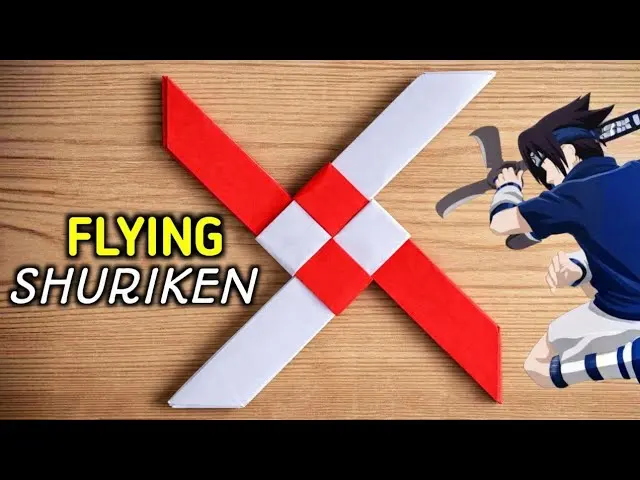
 How to Fold a Flying Paper Shuriken From Four A4 Sheets
#Paper Shuriken
21 ideas
How to Fold a Flying Paper Shuriken From Four A4 Sheets
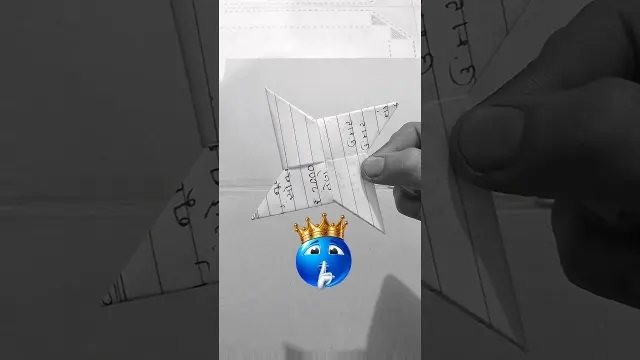 Glue-Free Ninja Star That Flies Far From Notebook Paper
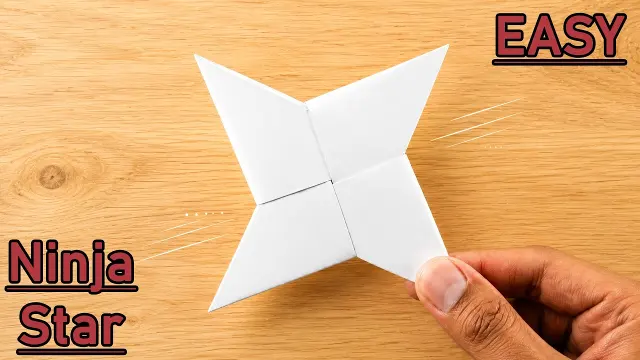 How to Fold an Easy Origami Paper Ninja Star (Shuriken)
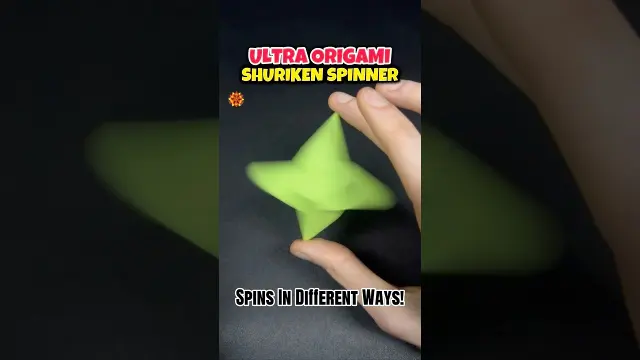 Spinning Origami Ninja Star Paper Toy Tutorial
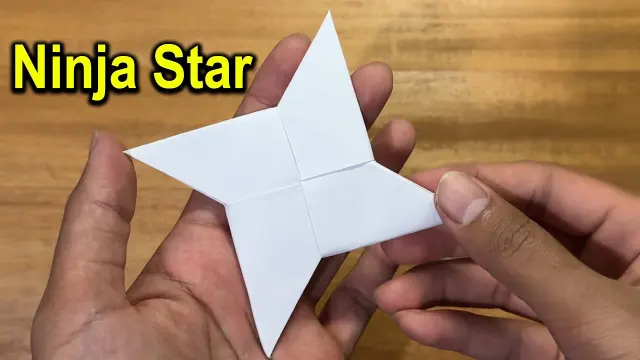 One-Sheet Paper Ninja Star: Beginner Origami Shuriken Tutorial
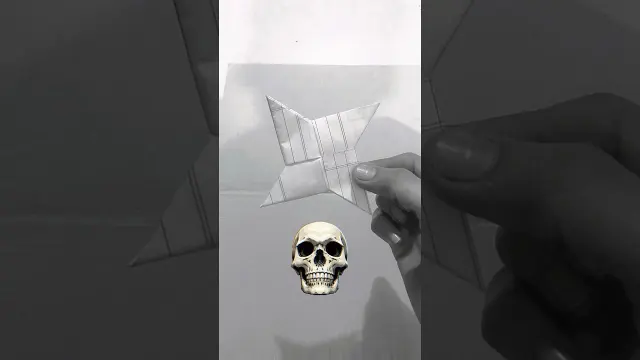 Folding a Fast Flying Ninja Star From Notebook Paper
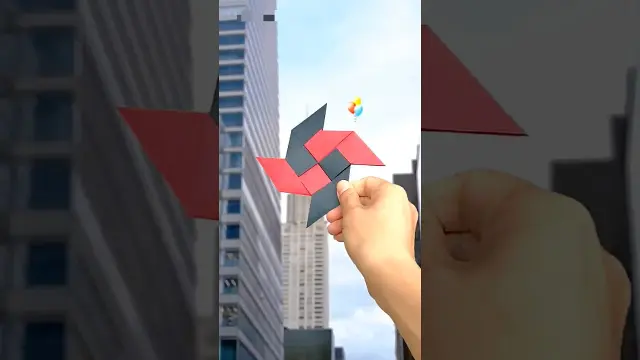 Easy Paper Shuriken Tutorial With a Throwing Technique
 Easy Origami Shuriken: Step-by-Step Paper Ninja Star Tutorial
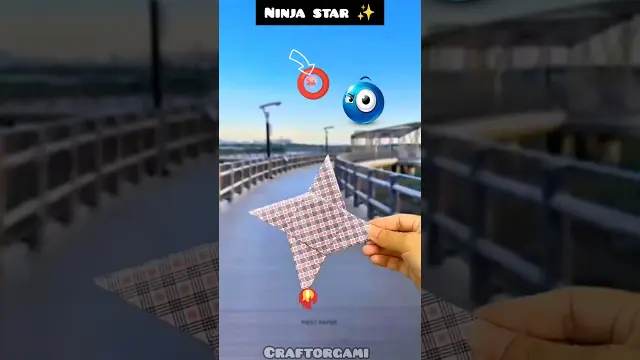 Craft Paper Ninja Star With Folding and Balance Tips
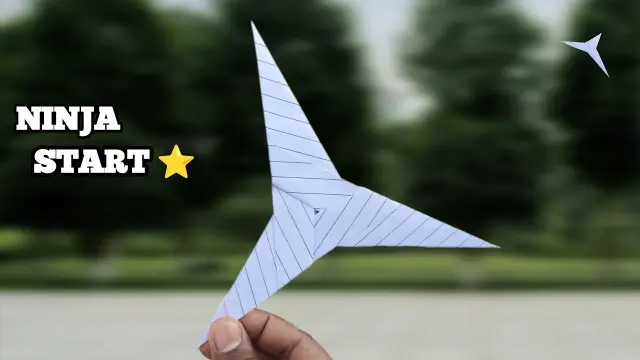 Origami Ninja Star Tutorial: A Double-Sided Paper Shuriken
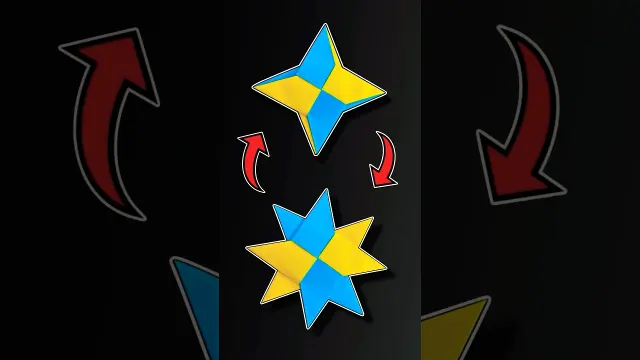 How to Fold a Transforming Paper Ninja Star
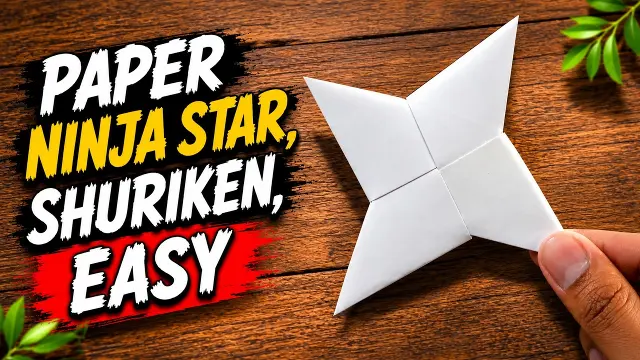 Paper Ninja Star Shuriken Tutorial for Origami Beginners
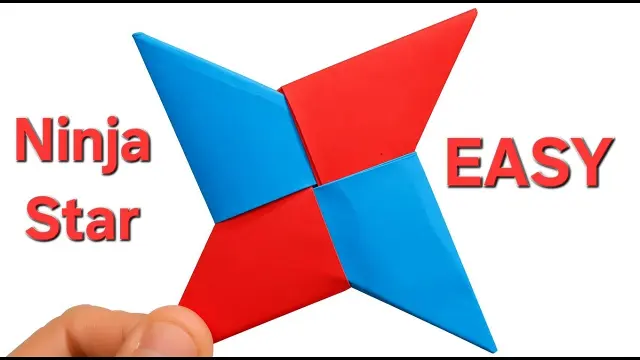 Easy Origami Ninja Star Tutorial Using Two Sheets of A4
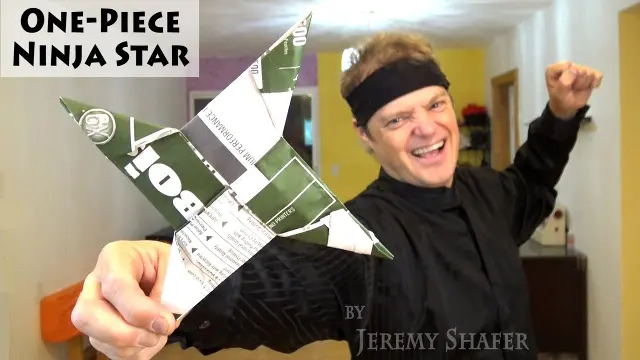 One-Piece Four-Pointed Ninja Star Folded From One Square
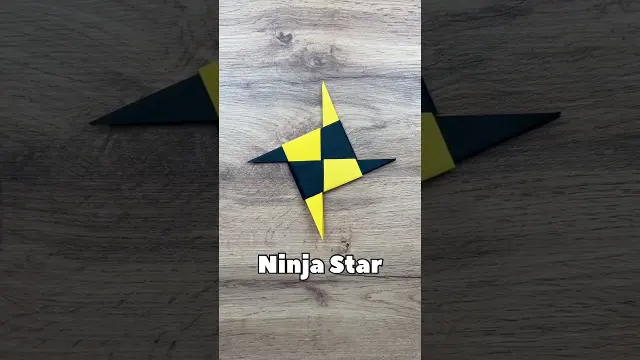 Easy Origami Ninja Star Shuriken: Step-by-Step Paper Craft
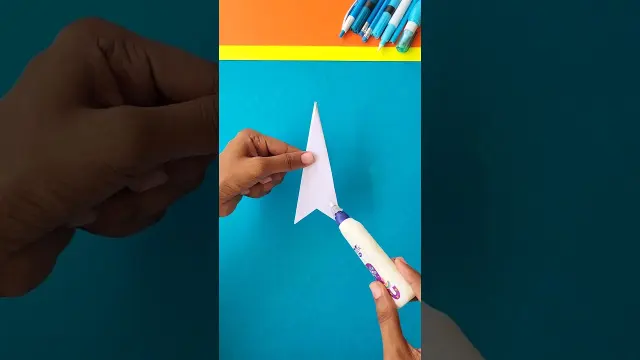 Paper Shuriken and Boomerang: Origami Ninja Star Tutorial
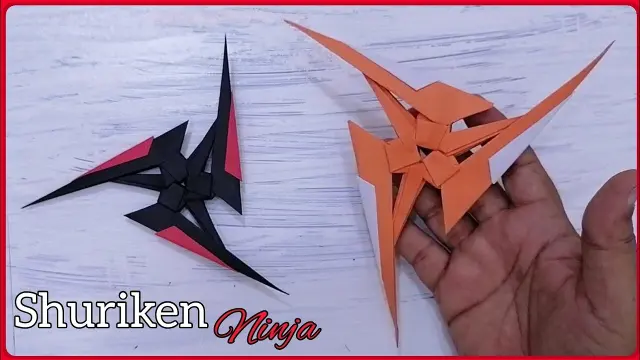 Naruto-Style Paper Shuriken Folded From Two Square Sheets
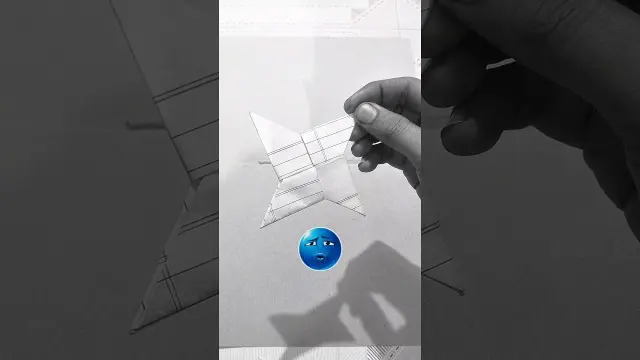 Step by Step Paper Ninja Star Project for Beginners
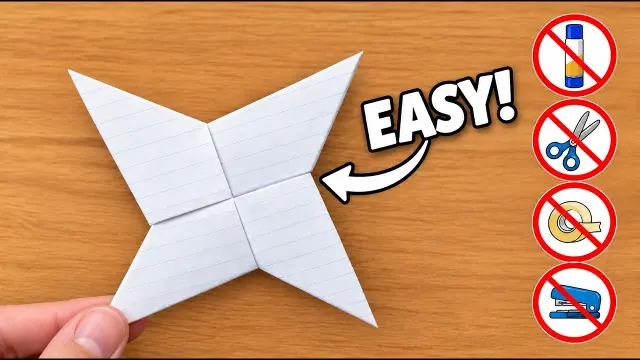 Easy Origami Paper Ninja Star for Beginners and Kids
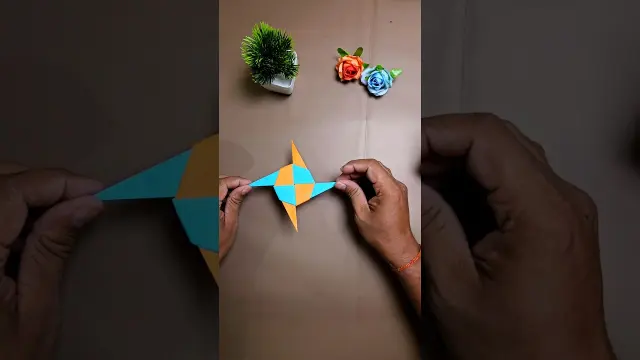 Simple Paper Ninja Star Tutorial for School Projects
 Easy Origami Ninja Star Paper Craft
Get new #Paper Shuriken ideas by email
Every Thursday: the week's best ideas, with the newest from #Paper Shuriken.
Collections
Related tags
Paper Shuriken: A Beginner's Guide to Origami Ninja Stars
A paper shuriken is a folded model shaped like a throwing star, usually made from two or more square sheets locked together without glue or tape. The name joins the Japanese word for a hand-thrown blade with the craft of paper folding, and the model has become one of the most recognisable pieces of modular origami: a small, flat, spinning object that looks far more complicated than it is.
Where it comes from
Throwing blades were historically a concealed weapon, and paper folding developed as a separate craft with its own traditions. The paper version sits where the two meet: it borrows the pointed silhouette of the star but keeps nothing dangerous. What has kept the design alive is not its origin but its mechanics. Because each sheet folds into an arm and four arms interlock in a pinwheel, the finished star holds itself together by tension alone.
What you need
Read more
Two square sheets of paper are the classic starting point. Ordinary copy paper works, though it is a little stiff; thinner paper folds more easily but loses shape faster. Slightly thicker paper gives a star that survives being handled and thrown. A flat, hard surface helps, and a bone folder or the back of your fingernail will press creases sharper than fingertips alone. Sharp creases are not fussiness: in a model held together by friction, loose folds are the difference between a star that stays put and one that springs open in your hand.
The main kinds
The four-pointed star built from two squares is the standard, and most tutorials you meet are variations on it. From there the family widens. Eight-pointed stars use four sheets and look denser. Transforming stars collapse and reopen into a different shape, which makes them a pleasant fidget. Some designs are tuned for gliding rather than spinning, and these are closer to a folded dart or boomerang than to a star. Beginners do best to master the two-sheet version first, since every other model reuses its folds.
Tips for a clean fold
- Fold both sheets identically and mirror-wise; a model that is slightly asymmetric wobbles when thrown.
- Take your time on the final lock. The arms should slide in snugly, not be forced.
- If the star feels floppy, unfold and re-crease rather than adding tape.
- Practise with larger paper before scaling down; small sheets punish imprecise folds.
Playing safely
A paper shuriken is a toy, and it behaves like one only when aimed at open space. Never throw it toward people, animals, faces or windows, and keep it away from very young children, who tend to put small folded objects in their mouths. A soft target, a curtained doorway or an empty room is the right setting. Treated that way, it is a satisfying thing to make: quick to fold, easy to replace, and proof that two sheets of paper can hold themselves into something with real shape.
#Paper Shuriken: frequently asked questions
How do I start folding a paper shuriken if I've never done origami before?
Begin with the classic interlocking star and follow a tutorial slowly, pausing to check each crease before moving on. The model is modular, so you fold identical arms and then slide them into each other — no glue, no cutting. Once your first star holds together, the same folds reappear in nearly every variation.
What kind of paper should I use for a shuriken?
Square sheets are the starting point; ordinary copy paper works but is a little stiff, while thinner paper folds more easily and loses shape faster. Avoid very soft or glossy stock, since slippery paper works its way out of the lock. A hard flat surface and something firm for pressing creases, like a bone folder or a fingernail, matter more than the paper choice.
Which style of paper shuriken should I choose?
The basic star made from a pair of squares is the standard, and denser stars, transforming stars and gliding versions all reuse its folds. Learn that version first, then branch out depending on what you want: something to fidget with, something to display, or something tuned to glide rather than spin.
How do I keep a finished shuriken from coming apart?
Sharp creases are the only thing holding the model together, so if it feels floppy, unfold it and re-press the folds instead of adding tape. Store it flat and away from damp air, which softens paper and lets the arms loosen. Re-creased properly, a star snaps back into its shape.
What are good occasions or uses for a paper shuriken?
They suit party favors, classroom craft sessions, costume accessories and quiet folding on a wet afternoon. Being quick to make and easy to replace, they work well as a group activity where everyone folds their own. They also make a simple handmade extra for a themed gift or a play kit.
What mistakes do beginners make most often?
The usual culprits are folding the sheets slightly differently from each other, rushing the final lock, and forcing arms that should slide in snugly. Practise on larger paper before scaling down, because small sheets punish imprecise folds. And always aim the finished star at open space — never at people, animals, faces or windows.
Videos come from YouTube and posts from Instagram; titles and summaries are our own. All rights belong to their creators.