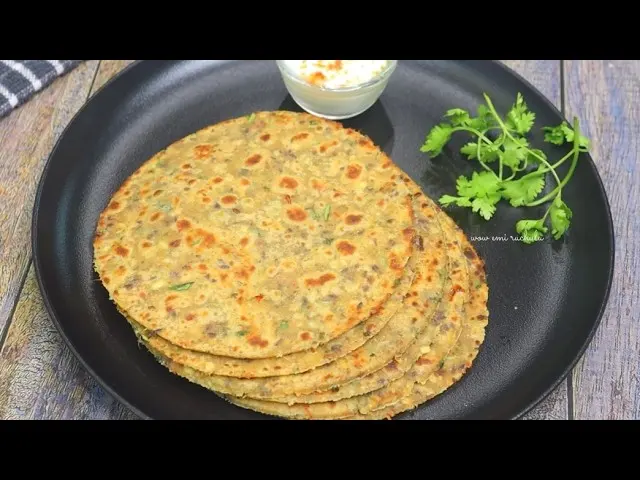
 Protein-rich easy morning breakfast paratha and lunchbox idea
#Paratha Recipe
1 ideas
Protein-rich easy morning breakfast paratha and lunchbox idea
Get new #Paratha Recipe ideas by email
Every Thursday: the week's best ideas, with the newest from #Paratha Recipe.
Related tags
Paratha: A Simple Guide to Flatbread Comfort
What paratha is
Paratha is a classic South Asian flatbread made from flour, fat, water, and a little salt, then rolled and cooked on a hot griddle or pan. It is known for its soft inside and lightly crisp, flaky outside. In many homes, paratha is an everyday food: filling enough for breakfast or lunch, and versatile enough to serve with vegetables, yogurt, pickles, dal, or chutney.
The word is commonly associated with Indian cooking, but paratha is enjoyed across a wide region and comes in many household variations. Some versions are plain and simple, while others are stuffed with spiced fillings. What makes paratha special is the balance of comfort and texture: it can be rustic, rich, or light depending on how it is made.
Main kinds of paratha
Read more
There are many styles of paratha, and the basic method stays similar.
- Plain paratha: rolled from dough and cooked with a little fat, often folded or layered for flakiness.
- Stuffed paratha: filled with mashed or grated ingredients such as potato, cauliflower, paneer, radish, or lentils.
- Layered or flaky paratha: made by folding, pleating, or brushing with fat to create visible layers.
- Triangle or square paratha: shaped differently for easier rolling and cooking.
- Whole wheat paratha: common for everyday meals because it is sturdy and filling.
Different regions and families have their own versions, so paratha is less a single recipe than a whole family of recipes.
How paratha is made
A basic paratha dough is usually simple: flour, water, salt, and a little oil or ghee. After kneading, the dough is rested so it becomes easier to roll. The dough is then divided into balls, rolled out, and cooked on a hot pan until both sides are browned. Some cooks add fat during cooking for softness and layers.
For stuffed paratha, the filling should be well seasoned but not wet. Too much moisture makes the dough hard to seal and can cause tearing. The filling is enclosed in dough, rolled gently, and cooked until the inside is heated through and the outside is golden.
Tips for beginners
- Use soft, rested dough. If the dough feels tight, let it rest a little longer.
- Roll with even pressure. Pressing too hard can break the dough or push out the filling.
- Keep fillings dry and cool before stuffing.
- Cook on medium heat. Too high and the outside browns before the inside cooks; too low and the paratha can turn dry.
- Add fat lightly and at the right time to help with flavor and layering.
- Don’t worry if the first one is not perfect. Paratha improves quickly with practice.
Serving ideas
Paratha is usually served hot, with simple accompaniments that balance its richness. It can be part of a complete meal or eaten on its own with tea or yogurt. If you are making it for packed meals, let it cool slightly before wrapping so it stays soft and does not become soggy.
Paratha is one of those foods that rewards patience and repetition. Once you learn the feel of the dough and the heat of the pan, you can make it in many ways and adapt it to your own kitchen.
Videos come from YouTube and posts from Instagram; titles and summaries are our own. All rights belong to their creators.