 Toddler Son Joins Mom and Dad at the Wedding
#Parenting
15 ideas
Toddler Son Joins Mom and Dad at the Wedding
 Bedtime struggles and funny mum life moments
 Redefining what it means to be a good mother
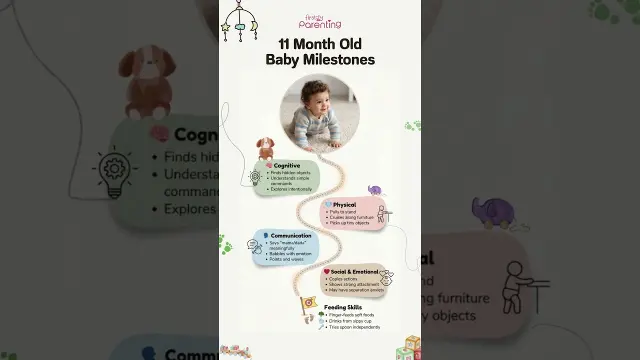 Important 11 Month Old Baby Milestones and Growth Skills
 Relatable bedwetting confession from a young child
 A father stepping in to support an overwhelmed mother
 A clever parenting trick to soothe a crying child
 The contrast of parenting energy at morning and night
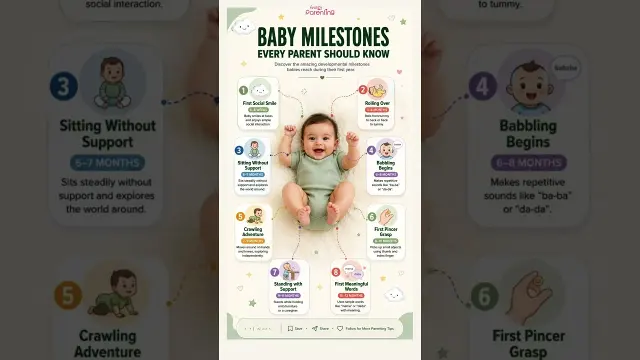 8 Key Baby Milestones Every Parent Should Know in the First Year
 Raising resilient children with expert parenting guidance
 Comparing past generations with modern parenting styles
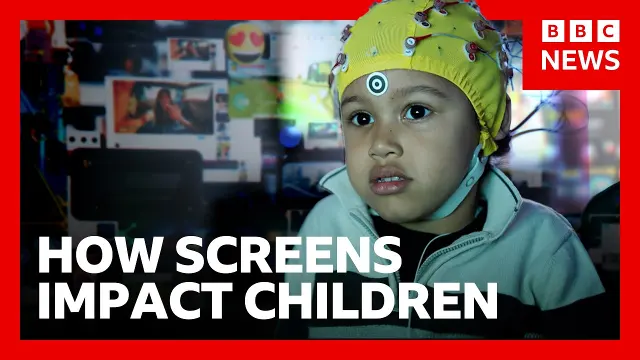 What Screen Time Really Does to Your Child's Brain Development
 Exploring responsive parenting over gender neutral labels
 Foundational parenting concepts with Dr. Becky
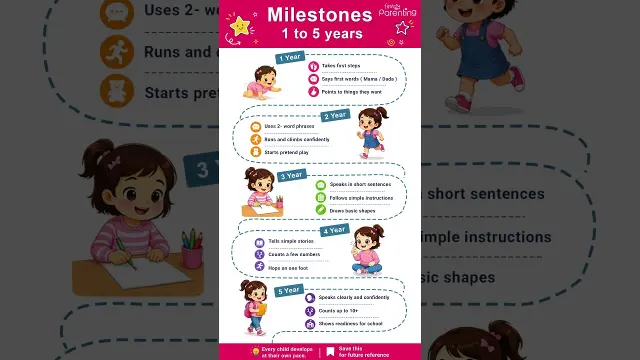 Child Development Milestones From Ages One to Five Years
Get new #Parenting ideas by email
Every Thursday: the week's best ideas, with the newest from #Parenting.
Related tags
Parenting: A Gentle Guide to Raising Children
Parenting is the lifelong task of helping a child grow into a safe, capable, and caring person. It includes meeting basic needs, offering affection, setting limits, teaching everyday skills, and being a steady presence as a child changes from babyhood to adulthood. Because every family is different, parenting can look many ways, but its core purpose is always the same: to provide love, structure, and guidance.
What parenting involves
At its simplest, parenting means responding to a child’s physical and emotional needs. That includes food, sleep, clothing, protection, routines, and health care, but also comfort, attention, and encouragement. Children usually feel more secure when life is predictable, so familiar mealtimes, bedtime routines, and clear expectations can make a big difference.
Parenting also means teaching. Children learn how to behave, solve problems, handle feelings, and relate to others by watching the adults around them. Your tone, habits, and reactions often teach more than your words. Gentle consistency is often more effective than long explanations.
Read more
Common parenting approaches
There is no single correct style of parenting, but many families use a mix of approaches. Some parents are more structured and set firm rules. Others are more flexible and focus on discussion and cooperation. Many try to balance warmth with boundaries, offering kindness while still expecting respectful behavior.
A helpful way to think about parenting is to combine care with guidance:
- Be warm and attentive so your child feels valued.
- Be clear and consistent so your child knows what to expect.
- Be age-appropriate, since children need different kinds of help as they grow.
- Be flexible enough to adapt when a child’s needs change.
What beginners should know
If you are new to parenting, it helps to remember that no one does it perfectly. Children do not need perfect parents; they need dependable ones. Small, steady efforts often matter more than grand gestures.
Try to focus on a few basics:
- Keep routines simple and realistic.
- Use clear, calm language.
- Praise effort and progress, not just results.
- Set limits that are easy to understand.
- Take breaks when you feel overwhelmed.
- Ask for help when you need it.
Practical tips for everyday life
When children are upset, they often need help naming feelings before they can solve a problem. Listening first can calm a difficult moment. Short instructions are usually easier for children to follow than long lectures. It also helps to choose battles carefully; not every mistake needs a big reaction.
As children grow, give them more responsibility little by little. Let them make age-appropriate choices, try tasks on their own, and learn from small failures. This builds confidence and independence.
Parenting can be joyful, tiring, surprising, and humbling, often all in one day. The most important thing is to keep showing up with patience, structure, and care.
Videos come from YouTube and posts from Instagram; titles and summaries are our own. All rights belong to their creators.