 Pass the FAA Part 107 Drone License Exam With Practice Questions
#Part 107
6 ideas
Pass the FAA Part 107 Drone License Exam With Practice Questions
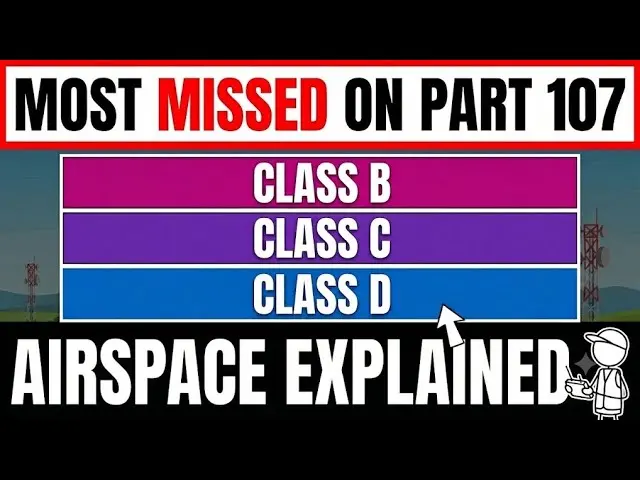 FAA Part 107 Airspace Classes Explained for the Exam
 How to Get Your FAA Part 107 License to Fly Commercially
 Eight Steps to Getting Your Commercial Drone License
 Why You Need a Part 107 License for Commercial Drone Work
 FAA Part 107 Drone Practice Test Questions and Explanations
Get new #Part 107 ideas by email
Every Thursday: the week's best ideas, with the newest from #Part 107.
Related tags
FAA Part 107 Guide for Commercial Drone Flight
What Part 107 means
Part 107 is the set of Federal Aviation Administration rules that covers small unmanned aircraft systems used for commercial purposes in the United States. In simple terms, if you want to fly a drone for work, client projects, or any business-related activity, Part 107 is the framework you need to understand.
It was created to make drone operations safer and more predictable in shared airspace. The rules explain who may fly, where you may fly, and what limits apply during the flight. If you are just starting out, Part 107 can feel technical, but most of it becomes manageable once you learn the basic ideas.
What the rules are used for
Read more
Part 107 is used for commercial drone work such as aerial photography, inspection, mapping, surveying, and other professional applications. It sets the minimum standards for the remote pilot, the aircraft, and the way the flight is conducted.
A central part of the rule is the remote pilot certificate, often called the Part 107 license. To earn it, you must meet FAA requirements and pass a knowledge test. The exam focuses on safe flight, reading charts, weather awareness, regulations, airport and airspace rules, and operating limitations.
What beginners should know
The most important thing to remember is that flying a drone is not only about controlling the aircraft. It is also about understanding your environment and making safe decisions before takeoff.
Some core ideas to learn early are:
- Airspace: Different areas have different restrictions, and some require authorization before flight.
- Weather: Wind, visibility, and other conditions can affect safety and control.
- Crew awareness: You should always know where your drone is, what is below it, and what is around it.
- Operating limits: Part 107 includes rules about altitude, speed, daylight operations, and maintaining visual line of sight, among others.
If you are preparing for the exam, focus first on the big concepts rather than memorizing isolated facts. Understanding why a rule exists will help you remember it and use it correctly in real flying.
Common kinds of Part 107 flying
Part 107 supports many kinds of professional drone use. Some pilots focus on cinematic shots, while others use drones for practical work like roof inspections, property documentation, agriculture, or construction progress. The same rules apply, even if the mission changes.
You may also hear about different flight permissions or waivers for operations that go beyond standard limits. These are special authorizations, and they require extra planning and compliance.
Practical tips for getting started
- Read the rules slowly and more than once.
- Study airspace charts until you can recognize the main classes and controlled areas.
- Practice weather and decision-making questions, not just memorization.
- Build good preflight habits: check your drone, battery, area, and surroundings every time.
- Keep learning after the exam, because safe flying depends on judgment as much as knowledge.
Part 107 is the foundation of legal commercial drone flying. Once you understand its purpose and structure, it becomes a practical guide rather than a hurdle.
Videos come from YouTube and posts from Instagram; titles and summaries are our own. All rights belong to their creators.