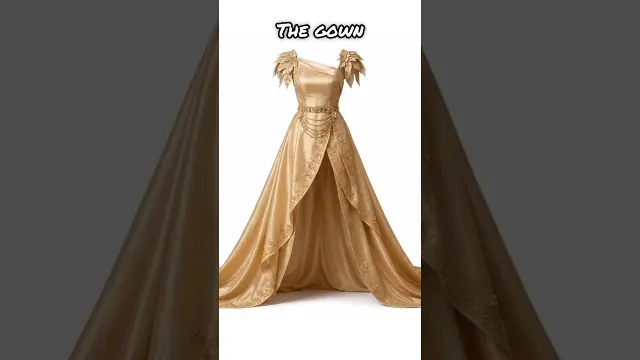
 Beautiful Golden Gown Palazzo Suit Design for Parties
#Party Wear
2 ideas
Beautiful Golden Gown Palazzo Suit Design for Parties
 Elegant Long Sleeve Floral Printed A-Line Maxi Dress
Get new #Party Wear ideas by email
Every Thursday: the week's best ideas, with the newest from #Party Wear.
Related tags
Party Wear: A Guide to Dressing for Celebrations
Party wear is the broad category of clothing reserved for celebrations: weddings, dinners, birthdays, anniversaries, festive gatherings and evenings out. It sits apart from everyday dress and from formal business attire, defined less by a single garment than by intent. Party clothing is chosen to mark an occasion, to feel special in, and to suit a setting that is usually more social and more dressed-up than ordinary life.
The category covers a wide range. At the dressiest end sit gowns, floor-length or midi, in fabrics with sheen or drape. Then come cocktail dresses, which tend to fall above or at the knee and favour structure or fluidity depending on the era. Separates play a large part too: an embellished blouse with tailored trousers, a sequinned top with a simple skirt, or a decorative jacket over a plain base. Traditional and regional dress forms belong here as well, and many wardrobes hold embroidered suits, kaftans or draped garments kept specifically for festivals and weddings. In warmer climates and in South Asian party dressing, flowing palazzo sets, Anarkali silhouettes and long printed maxi dresses are common and comfortable choices.
What to think about first
The occasion sets the tone. A daytime celebration calls for lighter fabrics and softer colours; an evening event leaves room for deeper shades, shine and more elaborate detail. The venue matters as much as the invite: garden, restaurant, ballroom and home all imply different things about shoes and hemlines.
Read more
Dress codes, when given, are worth following closely. Black tie, cocktail, smart casual and festive each narrow the field considerably, and asking the host is always acceptable when unsure.
Fabrics and embellishment
Fabrics do most of the work in party dressing. Silk, satin and chiffon catch light and move well; velvet feels rich in cool weather; crepe holds a clean line; lace adds texture without weight. Embroidery, sequins, beading and metallic thread add detail, and a little goes a long way. A single embellished element against plain fabric usually reads as more considered than several competing ones.
Practical advice for beginners
Start with one or two versatile pieces rather than a full wardrobe: a well-cut dark dress or a beautifully made suit will serve many invitations. Choose a silhouette you can sit, eat and move in comfortably, since parties involve all three. Comfortable shoes matter more than striking ones. Fit at the shoulders and waist is worth tailoring.
Accessories can change a single outfit enough to wear it repeatedly: different jewellery, a wrap, a change of bag or shoes. Care instructions deserve attention, as delicate fabrics and embellishment often need gentle handling or professional cleaning.
Finally, keep the wearer in view. The best party wear is the piece you forget you are wearing once the evening begins.
Looking after what you own
Store embellished and delicate pieces flat or padded, away from direct light, and mend small faults early. Well-kept party clothes last for years and stay ready for the next invitation.
#Party Wear: frequently asked questions
What actually counts as party wear?
It is less a single garment than an intention: clothing chosen to mark a celebration, from weddings and dinners to birthdays and evenings out. Gowns and cocktail dresses sit at the dressiest end, while embellished separates, decorative jackets and traditional or regional festive dress belong in the category too. What separates it from everyday or business dressing is that it is picked to feel special in a social, dressed-up setting.
How do I pick an outfit when the invitation gives no dress code?
Let the occasion and the venue guide you, since a garden lunch, a restaurant dinner and a ballroom reception all suggest different hemlines and shoes. Daytime celebrations usually suit lighter fabrics and softer colours, while evenings leave room for deeper shades, shine and more elaborate detail. If you are still unsure, it is perfectly fine to ask the host what they have in mind.
What should I buy first if I am building a party wardrobe?
Start with one or two versatile pieces rather than a full closet, such as a well-cut dark dress or a beautifully made suit that will answer many invitations. Choose a silhouette you can sit, eat and move in, because parties involve all three, and have the shoulders and waist tailored if needed. Comfortable shoes carry you through an evening far better than striking ones you cannot walk in.
What are the common mistakes people make with party dressing?
Piling on several embellished elements at once is the usual one, when a single sequinned or beaded detail against plain fabric tends to look more considered. Ignoring the setting is another, since the same outfit rarely works for both a daytime gathering and a formal evening. Overlooking how the clothes feel after an hour of sitting and moving is the third, and the piece you forget you are wearing is usually the right one.
How do I look after delicate and embellished party clothes?
Store beaded and fragile pieces flat or padded and keep them out of direct light, which protects both fabric and detail. Mend small faults early, before they grow, and treat delicate materials gently or send them for professional cleaning rather than washing them casually. Well-kept party clothes stay ready for the next invitation for years.
What kind of party wear works for warm weather or a daytime event?
Lighter fabrics and softer colours suit daytime celebrations, and flowing silhouettes keep you comfortable when it is warm. Long printed maxi dresses, palazzo sets and draped or kaftan-style pieces are common choices for festive occasions in hot climates. Breathing fabrics and an easy cut matter more here than heavy structure or dense embellishment.
Videos come from YouTube and posts from Instagram; titles and summaries are our own. All rights belong to their creators.