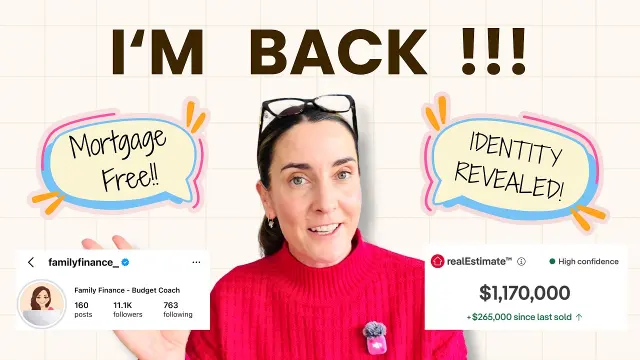
 Achieving Mortgage Freedom and Buying Investment Property
#Passive Income
1 ideas
Achieving Mortgage Freedom and Buying Investment Property
Get new #Passive Income ideas by email
Every Thursday: the week's best ideas, with the newest from #Passive Income.
Related tags
Passive Income: What It Means and How to Start
Passive income is money you earn without trading your hours for it in the same way a salary does. The phrase is a little misleading: almost nothing is truly passive at the start. What it usually means is that the effort is front-loaded. You build something once — a rental property, a piece of writing, a product, a small business system — and it continues to earn afterwards, often with some upkeep along the way.
The idea itself is old. Renting out land or property, lending money at interest, and earning royalties from a book or a song all predate the internet by centuries. What changed recently is how many new forms exist online: digital products, memberships, advertising on a blog or channel, affiliate arrangements, and licensing your work to others.
The main kinds
Most passive income falls into a few broad groups.
Read more
- Capital-based: money that earns money because you already have money or property. Rental income, interest, and dividends belong here. These tend to be the steadiest, but they need savings or assets to begin.
- Asset-based: you create something once and sell it many times. An e-book, a course, a printable pattern, a stock photograph, a piece of music. The build takes time; the selling can continue for years.
- Attention-based: a blog, a newsletter, a channel, or a social account that earns through advertising or partnerships. Slow to grow and dependent on staying consistent.
- Systems-based: a small business or automated service that runs on documented processes, or work you delegate. This is closer to owning a job than escaping one, at least at first.
What beginners should know
Start with what you already have rather than what you wish you had. If you have skills in a craft, a profession, or a language, that knowledge is usually the cheapest raw material for a first attempt. If you have savings, learn the basics of how interest and investing work before chasing anything exotic.
Be sceptical of anything promising quick returns for no effort. If a scheme requires you to pay to join and rewards you mainly for recruiting others, that is not passive income. Genuine opportunities usually involve risk, capital, time, or skill — often more than one.
Practical tips
Treat the first attempt as an experiment with a small budget. Track the hours you actually spend, because that number tells you whether the income is passive or just unpaid work. Keep your main income separate and don't borrow to fund a venture you haven't tested. Check the rules where you live on tax, licensing and rental obligations, since these vary a great deal and are easy to overlook.
Above all, be patient. Most of these streams start small and grow slowly, and the ones that last are built on something genuinely useful to other people.
#Passive Income: frequently asked questions
How do I actually start with passive income when I have very little money?
Begin with what you already own rather than what you wish you had: a skill, a craft, a language, or a profession you know well is the cheapest raw material for a first attempt. Turn that knowledge into something you build once and can sell or license repeatedly, and treat the whole thing as a small experiment with a budget you can afford to lose. If you do have savings, learn how interest and ordinary investing work before considering anything unusual.
Which kind of passive income should I choose?
Match the type to what you already have. If you hold savings or property, capital-based streams tend to be the steadiest; if you have time and a skill, asset-based work like a guide, course, pattern or photograph lets you build once and sell many times; if you enjoy showing up consistently in public, attention-based work such as a blog or channel can grow into advertising or partnership income. Systems-based setups suit people who like organising and delegating processes.
Is passive income really passive, or is that just marketing?
The label is a bit misleading, because almost nothing is passive at the beginning. What it usually means is that the effort is front-loaded: you build the thing once and it keeps earning afterwards, though most streams still need occasional upkeep, updates or customer replies. Track the hours you genuinely spend, since that number tells you whether you have built an asset or simply taken on unpaid work.
How do I avoid scams while looking for passive income?
Be sceptical of anything promising quick returns for no effort, and walk away from schemes that charge you to join while rewarding you mainly for recruiting other people. Real opportunities almost always involve some combination of risk, capital, time or skill, and often more than one of those. If you cannot explain in plain terms where the money is actually coming from, that is your answer.
How long does it take before passive income starts paying off?
Expect most streams to start small and grow slowly, which is why patience matters more than speed here. The ones that last are built on something genuinely useful to other people, so the early period is mostly about improving the thing and staying consistent. Judging a first attempt after only a short window is the most common reason people quit too soon.
What mistakes do beginners make most often?
The usual ones are chasing something exotic before understanding the basics, borrowing money to fund an untested idea, and mixing the venture's money with the household's main income. Another common slip is ignoring local rules on tax, licensing and rental obligations, which vary a great deal and are easy to overlook. Keeping the first attempt small and separate protects you while you learn.
Videos come from YouTube and posts from Instagram; titles and summaries are our own. All rights belong to their creators.