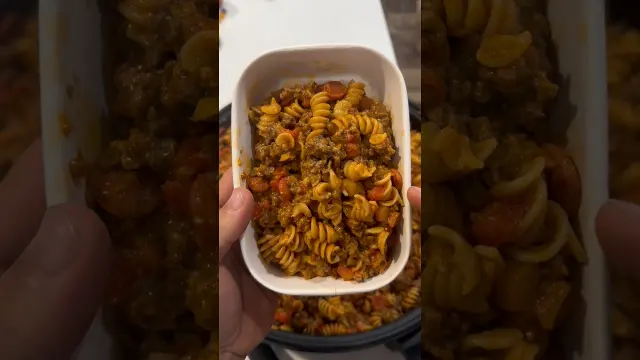
 High Protein Pizza Pasta Meal Prep Recipe
#Pasta
6 ideas
High Protein Pizza Pasta Meal Prep Recipe
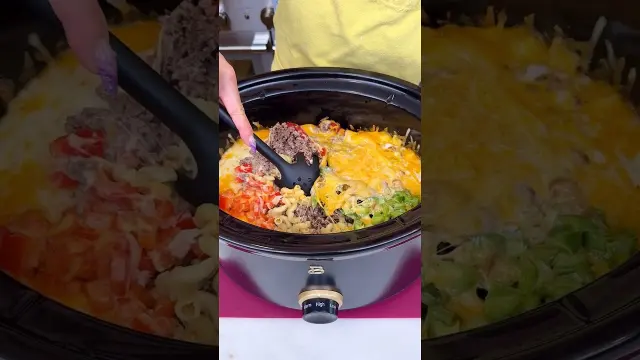 Crockpot Dirty Macaroni with Ground Beef
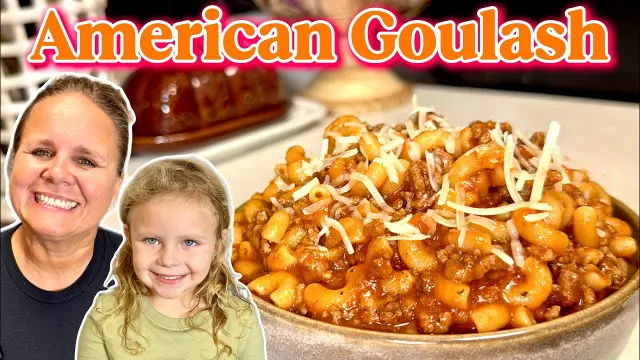 American Goulash Easy Dinner Recipe
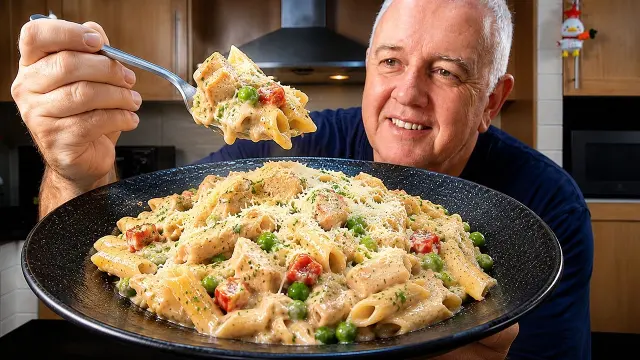 Creamy One Pan Chicken Pasta Dinner
Get new #Pasta ideas by email
Every Thursday: the week's best ideas, with the newest from #Pasta.
Related tags
Pasta Guide: Shapes, Types and Cooking Basics
Pasta is one of the most familiar staple foods in the world: a dough made mainly from flour and water, sometimes with eggs, shaped in many forms and cooked until tender. It has long roots in Italian cooking, but similar noodle and dough traditions exist across many countries and cultures. Because it is mild in flavor and quick to prepare, pasta works well with everything from simple olive oil and herbs to rich sauces, vegetables, meat, seafood, or cheese.
What pasta is and how it is used
Pasta is valued for its flexibility. It can be the main part of a meal, a side dish, or the base for a hearty casserole or salad. Dry pasta is the most common pantry staple and keeps well for a long time. Fresh pasta is softer and cooks more quickly, with a tender bite and a richer taste. You may also find whole-wheat, egg-based, or gluten-free versions, each with its own texture and cooking needs.
Main kinds and shapes
Read more
There are many pasta shapes, and each one suits certain sauces better than others.
- Long shapes such as spaghetti, linguine, and fettuccine are good with smooth or lightly coating sauces.
- Tube shapes such as penne, rigatoni, and ziti hold thicker sauces well because they catch sauce inside and around the edges.
- Short shapes such as fusilli, farfalle, and shells work nicely in baked dishes, salads, and chunky sauces.
- Filled pastas such as ravioli and tortellini are often served simply, since the filling is already part of the dish.
The shape is not only a matter of appearance. It changes how the sauce clings to the pasta and how each bite feels.
How to cook pasta well
Good pasta starts with plenty of water and enough room for the noodles to move freely. Salt the water so the pasta is seasoned from the inside out. Stir early in cooking to prevent sticking. Taste a piece near the end of the cooking time and stop when it is tender but still slightly firm to the bite.
Save a little cooking water before draining. That starchy water can help loosen a sauce and make it cling better to the pasta. Many cooks finish pasta in the sauce for the last minute or two, which helps the flavors come together.
Simple tips for beginners
- Match the shape to the sauce: long pasta for smooth sauces, short shapes for chunky ones.
- Do not overcook; pasta can go from firm to soft very quickly.
- Use enough sauce so the pasta is coated, not dry.
- If reheating, add a splash of water or sauce to keep it from becoming stiff.
- For baked pasta, cook it just a little less than usual so it stays pleasant after baking.
A food with endless variations
One of the reasons pasta is so loved is that it welcomes variety. You can keep it very simple with butter, olive oil, garlic, and herbs, or turn it into a full meal with vegetables, beans, meat, or fish. Once you learn the basics of shape, sauce, and cooking time, you can make pasta in many different ways while keeping the result comforting and satisfying.
Videos come from YouTube and posts from Instagram; titles and summaries are our own. All rights belong to their creators.