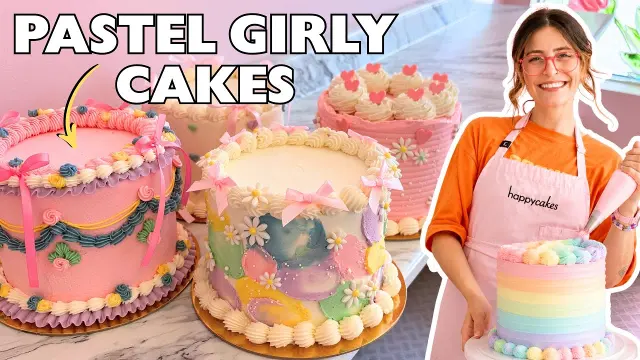
 Pastel Girly Cakes Decorated in a Silent ASMR Session
#Pastel Cake
1 ideas
Pastel Girly Cakes Decorated in a Silent ASMR Session
Get new #Pastel Cake ideas by email
Every Thursday: the week's best ideas, with the newest from #Pastel Cake.
Related tags
Pastel Cakes: A Guide to Soft-Coloured Baking
A pastel cake is simply a cake finished in pale, muted shades — soft pinks, blues, greens, lilacs, peaches or creamy yellows — rather than deep or saturated colour. The look borrows from sugarcraft and confectionery traditions, where delicate tints were used to suggest flowers, ribbons and porcelain, and it has settled into home baking as a style anyone with a bowl of buttercream and a little colour can attempt. Its appeal is calm: a pastel cake reads as gentle and handmade rather than glossy or dramatic.
How the colours are made
The single most useful thing to understand is that pastel is white with a whisper of colour, not colour lightened afterwards. Start from a white base — buttercream, fondant, ganache or a pale sponge — and add colour a very small amount at a time. Gel and paste colours are concentrated, so a toothpick's tip is often enough for a whole bowl; liquid colours weaken icing and are harder to control. Mix thoroughly, then wait a few minutes before judging the shade, because many colours deepen as they sit. Remember that buttercream looks slightly darker once it has crusted and that warm kitchen light flatters colour while cold light dulls it.
Styles worth knowing
Read more
- Ombré: one bowl of icing divided and tinted in increasing amounts, then spread in bands from palest to deepest and blended where they meet.
- Watercolour buttercream: thin, semi-transparent strokes of tinted icing applied over a chilled, smooth base so the layers show through.
- Palette-knife texture: small dabs and sweeps of two or three neighbouring pastels, built up for a soft, ruffled surface.
- Vintage piping: fine shells, ruffles and swags piped in a single pale shade, usually with a slightly deeper tone for contrast.
- Drip and floral finishes: a pale glaze drip, or sugar and buttercream flowers in tinted whites and creams.
If you are just starting
Bake and chill the cake before decorating; a cold surface keeps crumbs out of the icing and helps colours stay crisp. Apply a thin crumb coat first, let it set, then build the finished layer. Tint more icing than you think you need, and keep a scoop of the untinted base aside so you can lighten a shade that has gone too far — it is far easier to soften a colour than to remove it.
Test a colour on a small scrap of icing spread on a plate rather than on the cake. Keep your palette to two or three related shades; pastels lose their delicacy when too many compete. Natural options such as berry or vegetable powders can tint icing, though their shades shift with the base and with time.
Finally, protect the finished cake from strong light, which fades delicate colours, and keep it cool until serving. Pastel finishes reward patience more than precision: small imperfections read as softness rather than error.
#Pastel Cake: frequently asked questions
How do I get a pastel colour on a cake without ruining the icing?
Begin with a white base and add concentrated colour in tiny amounts — a touch on the end of a toothpick is often plenty for a whole bowl. Stir it through completely and give it a few minutes before you judge the shade, since many colours deepen as they sit. Keeping a scoop of the untinted icing aside lets you soften a tone that has gone too far.
Which pastel cake style should I choose for my skill level?
If you are new to decorating, an ombré finish or simple palette-knife texture is forgiving and needs only one bowl of icing split into a few shades. Watercolour strokes and vintage piping look lovely but ask for a smooth, chilled base underneath, so they suit someone with a little more practice. Either way, limiting yourself to two or three related shades keeps the result delicate.
What do I need before I start decorating a pastel cake?
Bake the cake ahead and chill it, then apply a thin crumb coat and let that set before the final layer goes on. Gather gel or paste colours rather than liquid ones, which thin the icing and are harder to control, plus a few small bowls for mixing shades. Testing colour on a scrap of icing spread on a plate saves you from discovering a problem on the cake itself.
How should I store and care for a finished pastel cake?
Keep it cool until you serve it, and shield it from strong light, which fades delicate tints quickly. Bear in mind that buttercream looks a little darker once it has crusted, so the finished cake may read slightly deeper than the icing did in the bowl. Kitchen light also plays a part — warm light flatters the colours while cold light dulls them.
What are some good pastel cake ideas for a celebration?
Soft drip finishes, sugar or buttercream flowers in tinted whites and creams, and gently ruffled piping all suit birthdays and weddings without feeling heavy. An ombré in pinks, lilacs or blues works well as a centrepiece, and a watercolour effect in neighbouring shades feels quiet and handmade. Choose the palette to match the occasion rather than piling on colours, since pastels lose their softness when too many compete.
What mistakes should I avoid when making a pastel cake?
The most common slip is tinting too strongly at the start — pastel is white with a whisper of colour, not colour lightened afterwards, which is far harder to fix. Decorating a warm cake pushes crumbs into the icing, and judging shade under harsh light can mislead you. Treat small imperfections as softness rather than error; pastel finishes reward patience more than precision.
Videos come from YouTube and posts from Instagram; titles and summaries are our own. All rights belong to their creators.