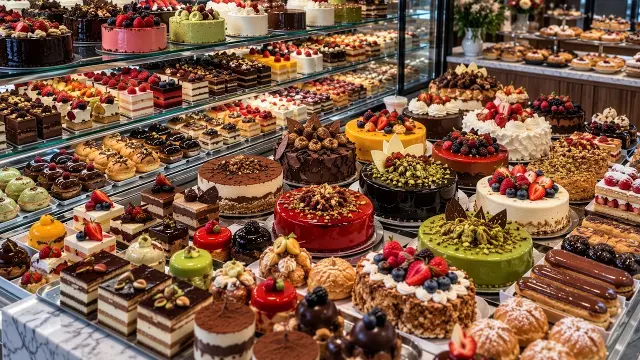
 Master Patisserie Chefs Making Turkish Cakes from Scratch
#Pastry Craft
1 ideas
Master Patisserie Chefs Making Turkish Cakes from Scratch
Get new #Pastry Craft ideas by email
Every Thursday: the week's best ideas, with the newest from #Pastry Craft.
Related tags
Pastry Craft: The Art of Sweet Baking
Pastry craft is the art of making sweet baked goods, from delicate tart shells and flaky pie crusts to cream-filled choux, sponge cakes, and elegant layered desserts. It sits at the meeting point of baking and decoration, where careful technique matters as much as flavour. At its best, pastry is about balance: tenderness and structure, sweetness and freshness, simplicity and detail.
What pastry craft includes
Pastry is a broad field, and it covers many kinds of doughs, batters, fillings, and finishes. Some pastries are rich and buttery, such as shortcrust or puff pastry. Others are light and airy, like sponge cakes or éclairs. Many also involve creams, curds, custards, fruit fillings, glazes, or chocolate work.
Traditionally, pastry craft developed in European kitchens, especially in French baking, but every culture has its own pastry traditions. You can find filled pastries, layered cakes, fried doughs, baked tarts, and festive sweets in many parts of the world. The techniques may differ, but the goal is usually the same: to turn basic ingredients into something refined and satisfying.
Read more
Main styles and types
A few classic categories help make pastry easier to understand:
- Shortcrust pastry: crumbly and tender, used for pies, tarts, and tartlets
- Puff pastry: layered and crisp, made by folding butter into dough
- Choux pastry: a cooked dough that puffs up when baked, used for éclairs and cream puffs
- Sweet yeast dough: softer and more bread-like, used for buns, rolls, and coffee cakes
- Cakes and sponges: light batters that depend on careful mixing and good aeration
- Cream-based pastries: custards, mousses, whipped fillings, and layered desserts
Once you understand these families, it becomes easier to recognise how many pastries are built from a few core methods.
Techniques that matter most
Pastry craft rewards precision, but that does not mean it has to be complicated. The main ideas are simple: measure carefully, keep ingredients at the right temperature, and handle dough gently when needed. Overmixing can make pastry tough, while underbaking can leave it heavy or soggy.
Temperature is especially important. Cold butter helps create flaky layers in some doughs, while room-temperature ingredients are better for many cakes and creams. Resting dough before baking can improve texture and make it easier to roll. For decorative work, neat piping and clean finishes make a big difference.
What beginners should know
If you are just starting, begin with a few reliable recipes and learn them well. Mastering one tart shell, one sponge cake, and one cream filling can teach you a lot about texture and timing.
- Read the whole recipe before you begin
- Prepare all ingredients and tools first
- Use accurate measuring
- Do not rush chilling or resting times
- Bake until the pastry is properly set and coloured
- Let finished pastries cool before filling or decorating
A practical approach
Good pastry does not require perfection, but it does ask for patience. Small details such as smoothing the dough, avoiding excess flour, and tasting as you go all improve the result. As your confidence grows, you can start combining techniques: a crisp base with a soft filling, a simple cake with a glossy finish, or a plain tart decorated with fruit.
Pastry craft is most rewarding when you treat it as both a skill and a pleasure. With practice, you learn how ingredients behave, how heat transforms them, and how to create desserts that are as beautiful as they are enjoyable.
Videos come from YouTube and posts from Instagram; titles and summaries are our own. All rights belong to their creators.