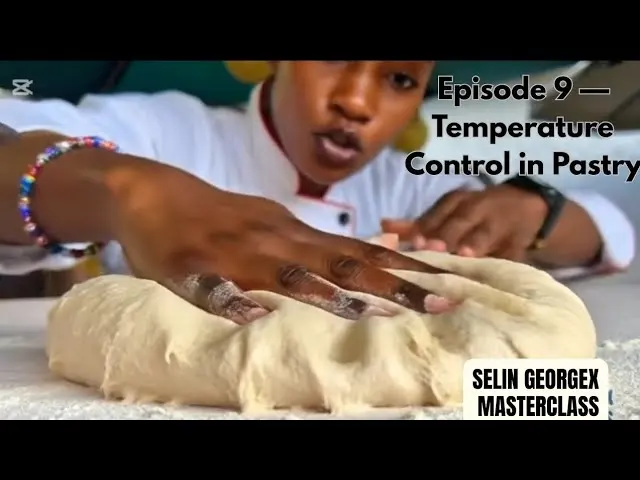
 Temperature control and baking science in professional pastry
#Pastry Education
1 ideas
Temperature control and baking science in professional pastry
Get new #Pastry Education ideas by email
Every Thursday: the week's best ideas, with the newest from #Pastry Education.
Related tags
Pastry Education: Learning the Art of Baking
Pastry education is the study and practice of making sweet baked goods and dessert components, from simple biscuits and tarts to layered cakes, choux pastry, laminated doughs, and plated desserts. It brings together craft, precision, and creativity. Unlike casual home baking, pastry often depends on exact measurement, careful timing, and a good understanding of how ingredients behave together.
The roots of pastry go back to early baking traditions across Europe and the Mediterranean, where doughs, fillings, creams, and sugar work developed alongside bread making and confectionery. Over time, pastry became both a household skill and a professional discipline, shaped by classic French techniques but influenced by many regional traditions. Today, pastry education can mean formal culinary training, apprenticeship, or self-taught practice at home.
What you learn in pastry education
A good pastry foundation usually starts with the basics: mixing methods, oven behavior, ingredient functions, and safe handling of eggs, dairy, flour, chocolate, and sugar. You also learn how texture changes through resting, chilling, whipping, folding, and baking. These details matter because pastry is as much about structure as flavor.
Read more
Common areas of study include:
- Shortcrust, sweet doughs, puff pastry, and enriched doughs
- Cakes, sponges, cookies, and muffins
- Custards, creams, curds, mousses, and fillings
- Chocolate work and simple decoration
- Sugar syrups, glazes, and finishing techniques
Main styles and traditions
Pastry can be divided into several broad traditions. Classic European pastry is known for refined techniques, laminated doughs, elegant tarts, and layered desserts. Home-style pastry tends to be more rustic and practical, focusing on pies, biscuits, tray bakes, and family recipes. Modern pastry may combine classic methods with lighter textures, neat presentation, and creative flavor pairings.
No matter the style, the same principles apply: balance, precision, and respect for ingredients. A well-made pastry should taste good, hold its shape, and feel appropriate to its purpose, whether that is a simple breakfast tart or an elaborate celebration cake.
What beginners should know
If you are starting out, patience matters more than perfection. Pastry is a skill built through repetition. Recipes should be followed carefully at first, especially when weighing ingredients and preparing dough. Small changes in temperature or mixing can affect the result, so read each recipe fully before you begin.
Useful habits for beginners include:
- Measure ingredients accurately
- Keep butter, dough, and fillings at the recommended temperature
- Chill dough when needed
- Preheat the oven properly
- Learn to recognize visual cues, not just timings
It also helps to understand that mistakes are part of learning. A pastry that is too crumbly, dense, or overbaked can still teach you something useful.
Practical tips for steady progress
Practice one technique at a time so you can notice what changes each step makes. Work cleanly and organise your ingredients before you start. If a recipe fails, think about whether the issue came from mixing, temperature, oven heat, or timing. Over time, you will begin to judge dough by touch and filling by texture as much as by the written recipe.
Pastry education is rewarding because it combines discipline with imagination. Once you understand the basics, you can adapt recipes, build your own combinations, and create desserts with confidence.
Videos come from YouTube and posts from Instagram; titles and summaries are our own. All rights belong to their creators.