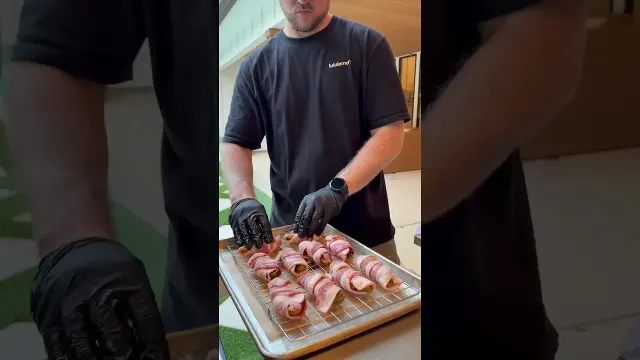
 Cheeseburger Pickle Poppers and Honey Garlic Wings
#Patio Cooking
1 ideas
Cheeseburger Pickle Poppers and Honey Garlic Wings
Get new #Patio Cooking ideas by email
Every Thursday: the week's best ideas, with the newest from #Patio Cooking.
Related tags
Patio Cooking Ideas and Essentials
Patio cooking is the art of preparing meals outdoors in a relaxed, sociable setting, usually close to the home. It can be as simple as grilling vegetables for lunch or as involved as cooking a whole dinner over charcoal, gas, or a portable stove. For many people, it is less about formality and more about enjoying fresh air, easy conversation, and food shared outside.
The tradition of outdoor cooking is very old. Across many cultures, people have cooked over open fires, hot coals, and stone hearths long before indoor kitchens became common. Today, patio cooking brings that same practical and social spirit into everyday life. It is used for casual family meals, weekend gatherings, holiday cookouts, and simple warm-weather suppers.
Common styles of patio cooking
There are several familiar ways to cook on a patio:
Read more
- Grilling: food is cooked directly over heat, often for quick items like burgers, sausages, vegetables, fish, and skewers.
- Barbecuing: in some traditions, this means slow cooking with smoke and low heat, especially for tougher cuts of meat.
- Plancha or flat-top cooking: a smooth hot surface is useful for smaller foods, chopped vegetables, eggs, and sandwiches.
- Dutch oven or pot cooking: soups, stews, beans, and braised dishes can be made outdoors with steady heat.
- Fire pit cooking: when done safely, a fire pit can be used for toasting, roasting, or simple skillet meals.
What beginners should know
If you are new to patio cooking, start with a small menu and a few reliable tools. A heat source, long-handled tongs, a spatula, a thermometer if you use one, and heat-safe gloves are often enough to begin. Choose foods that are easy to manage and forgiving, such as vegetables, chicken pieces, fish fillets, or skewers.
Good preparation makes outdoor cooking easier. Cut ingredients ahead of time, season them before cooking, and arrange everything within reach. Keep raw and cooked foods separate, and wash hands and surfaces often. Outdoor cooking can feel informal, but food safety still matters.
Practical tips for better results
- Preheat your cooking surface so food sears or browns properly.
- Oil the grates or pan lightly to help prevent sticking.
- Use moderate heat for most foods; very high heat can burn the outside before the inside is done.
- Let meat rest briefly after cooking so the juices settle.
- Keep a clean plate for cooked food and a separate one for raw ingredients.
- Have simple side dishes ready, such as salads, bread, or grilled vegetables, so the meal feels complete without much fuss.
Patio cooking works best when you keep things flexible. A few good ingredients, sensible timing, and comfortable seating can turn an ordinary meal into something memorable. It is not about perfection; it is about ease, flavor, and the pleasure of eating outdoors together.
#Patio Cooking: frequently asked questions
How do I start patio cooking if I've never done it before?
Begin with a short, simple menu and a handful of trustworthy tools rather than a full outdoor kitchen setup. Choose forgiving foods like vegetables, chicken pieces, fish fillets, or skewers, since they are easy to manage while you get a feel for your heat source. Preparation done ahead of time — ingredients cut, seasoned, and within reach — makes the whole thing far calmer.
What equipment do I actually need to cook outdoors on a patio?
A reliable heat source plus long-handled tongs, a spatula, heat-safe gloves, and a thermometer if you like to check doneness will cover most meals. Beyond that, what you add depends on the style you enjoy, whether that is a grill grate, a flat-top surface, or a sturdy pot. It helps to keep a clean plate for finished food separate from the one holding raw ingredients.
Which style of patio cooking should I choose?
Pick the one that matches the food you like to eat most often and the time you want to spend. Direct grilling suits quick items, slow smoke and low heat suit tougher cuts, a flat top handles small or chopped foods, and a pot or fire pit works well for stews, toasting, and skillet meals. Many people start with grilling and add other methods as they get comfortable.
How do I care for my patio cooking setup?
Clean cooking surfaces while they are still warm but not scorching, since baked-on residue gets harder to remove later. Oil grates or pans lightly before cooking to limit sticking, and store tools and fuel somewhere dry and sheltered from weather. Cover or stow what stays outside so rain, dust, and damp air don't shorten its life.
What are good ideas for a patio meal when friends come over?
Keep the menu small and pair something grilled with easy sides like salads, bread, or vegetables cooked alongside the main dish. Wings, skewers, and stuffed or topped bites work well because they can be prepared ahead and passed around while people talk. Comfortable seating and food that doesn't demand constant attention matter more than an elaborate spread.
What mistakes do beginners make most often with patio cooking?
The usual ones are cooking over heat that is too high, which chars the outside before the middle is done, and putting food on a surface that was never preheated, so it sticks and browns unevenly. Skipping the rest after cooking meat is another common slip, and so is losing track of which plate or utensil touched raw food. Slowing down and keeping raw and cooked separate solves most of it.
Videos come from YouTube and posts from Instagram; titles and summaries are our own. All rights belong to their creators.