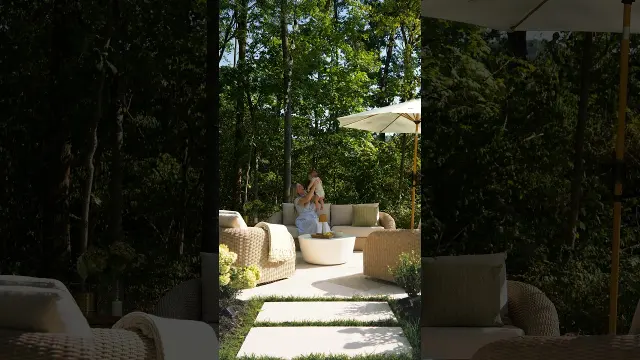
 Full Backyard Patio Renovation and Makeover Episode
#Patio Renovation
2 ideas
Full Backyard Patio Renovation and Makeover Episode
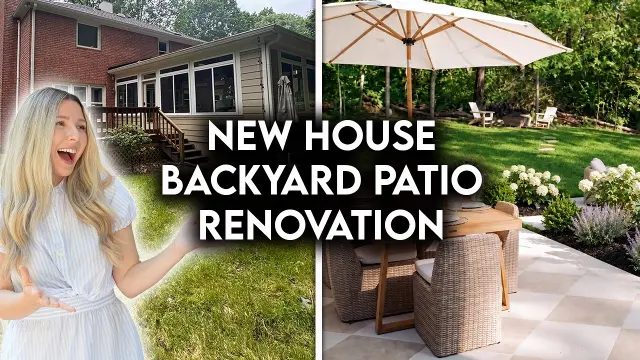 Extreme European-Inspired Backyard Patio Renovation
Get new #Patio Renovation ideas by email
Every Thursday: the week's best ideas, with the newest from #Patio Renovation.
Related tags
Patio Renovation Guide
A patio renovation is the process of updating an existing outdoor sitting or entertaining area so it feels more useful, comfortable, and attractive. It can range from a simple refresh, such as replacing worn paving or repainting built-in features, to a full redesign that changes the layout, materials, and style of the space. Patios are found in many homes and gardens, and they are often used for relaxing, dining, gardening, or gathering with family and friends.
What a patio renovation can include
A patio can be made from many materials, including stone, concrete, brick, tile, wood, or composite surfaces. Renovation may involve repairing cracks, leveling uneven areas, replacing damaged slabs, improving drainage, or adding new edges and steps. You might also change the atmosphere with seating, planters, shade, lighting, privacy screens, or an outdoor dining area.
The right approach depends on how you use the space. A quiet courtyard needs different solutions from a patio meant for cooking, hosting, or children’s play. Before starting, it helps to look at how you move through the area, where the sun falls, and which parts feel cramped, exposed, or underused.
Read more
Common styles and approaches
Patio design can suit many tastes. Some patios feel simple and clean, with straight lines and a limited material palette. Others are softer and more relaxed, using mixed textures, layered planting, and informal seating. You may prefer a classic look with natural stone and traditional furniture, or a more modern feel with smooth paving and minimal decoration.
Whatever style you choose, aim for harmony between the patio and the house or garden around it. Repeated colors, similar materials, and balanced proportions help the area feel connected rather than added on.
Planning before you begin
A successful renovation starts with practical planning. Think about these points first:
- How you want to use the space
- Whether you need more seating, storage, or shade
- How much maintenance you are comfortable with
- How water drains after rain
- How privacy and wind affect the area
If the surface is unstable or badly sloped, it is worth addressing the foundation before focusing on decoration. Good preparation makes the finished patio safer and longer lasting.
Choosing finishes and details
Small details can make a large difference. Outdoor rugs, cushions, and planters soften hard surfaces. Lighting can make the patio usable in the evening and create a gentle atmosphere. Potted plants, climbing greenery, and low borders help the space feel more inviting without overwhelming it.
When choosing finishes, think about durability as well as appearance. Outdoor materials should be suitable for changing weather and regular cleaning. It is usually best to choose a few coordinated materials rather than too many competing patterns.
Tips for a practical result
- Keep walkways clear and furniture scaled to the space
- Choose surfaces that are easy to clean and maintain
- Leave room for plants to grow without crowding the seating area
- Use layers of texture to make the patio feel comfortable
- Start with the basics, then add decorative pieces gradually
A well-renovated patio should feel easy to use in everyday life. If you focus on function first, then style, you can create an outdoor space that feels natural, welcoming, and lasting.
#Patio Renovation: frequently asked questions
How do I start a patio renovation?
Begin by watching how you actually use the space across the day: where you walk, where the sun lands, and which corners always feel cramped or unused. From there, decide whether you are doing a light refresh or a full redesign that changes layout and materials, since that choice shapes everything else. Sort out the practical base, such as cracks, uneven ground and drainage, before you spend any thought on decoration.
What do I need to plan before renovating a patio?
Work through the function first: how much seating and shade you want, whether you need storage, how much upkeep you can live with, and how wind and privacy affect the spot. Check that the surface is stable and slopes away from the house properly, because a wobbly or badly draining base will undermine anything built on top of it. Once those answers are clear, the layout and materials become much easier to decide.
Which patio style or material should I choose?
Pick the approach that fits how the space is used rather than the one that simply photographs well, since a quiet courtyard and a patio built for cooking and hosting need quite different solutions. Stone and brick read as classic and natural, while smooth concrete, tile and composite give a cleaner, more contemporary line, and each brings its own level of maintenance. Whichever you choose, keep the palette limited and repeat colors or materials from the house or garden so the patio feels connected rather than tacked on.
How do I look after a renovated patio?
Choose surfaces that tolerate changing weather and can be cleaned without fuss, then keep up with that cleaning instead of waiting for a deep overhaul. Sweep regularly, clear leaves and debris so water can drain freely, and check edges, steps and joints for small cracks before they widen. Bringing cushions, rugs and lightweight furniture indoors during harsh weather will keep the softer details looking good far longer.
What are the common mistakes in a patio renovation?
The most frequent one is jumping straight to decoration while the foundation, slope or drainage is still unresolved, which means the finished surface never really settles or stays dry. Another is overfilling the space with furniture and too many competing patterns, leaving no clear walkway and no room for planting to breathe. It also pays to furnish gradually, starting with the basics and adding pieces once you see how the space actually lives.
Can I renovate a patio for a particular occasion, like a family gathering or a quiet evening outdoors?
Yes, and it is often a good prompt for getting the project moving, because a specific use tells you a lot about what the space needs. For hosting and dining you will want clear circulation, generous seating and layered lighting; for quiet evenings, softer textures, greenery and shade matter more. Design for the everyday version of that occasion rather than a single event, so the patio keeps working long after it is over.
Videos come from YouTube and posts from Instagram; titles and summaries are our own. All rights belong to their creators.