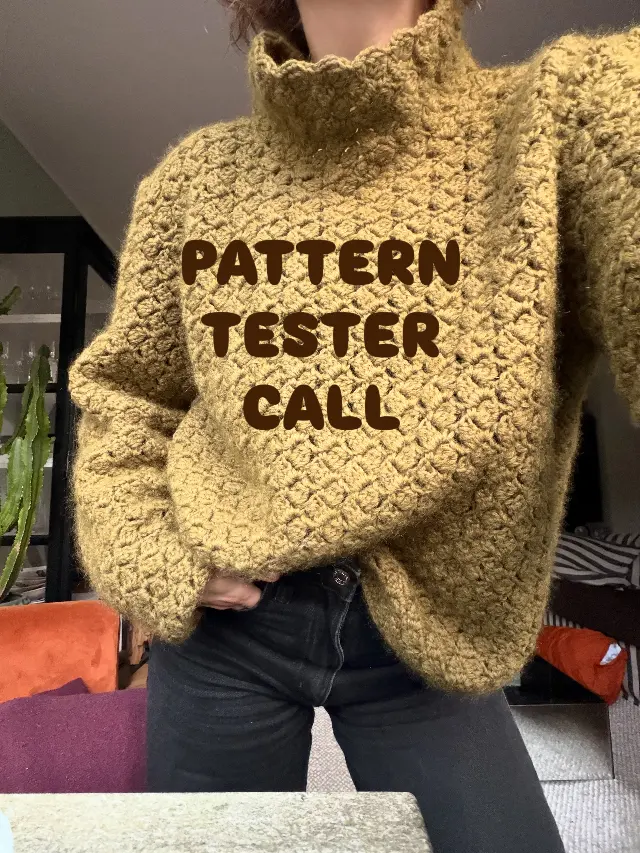
 Cozy oversized sweater pattern seeking testers
#Pattern Testing
3 ideas
Cozy oversized sweater pattern seeking testers
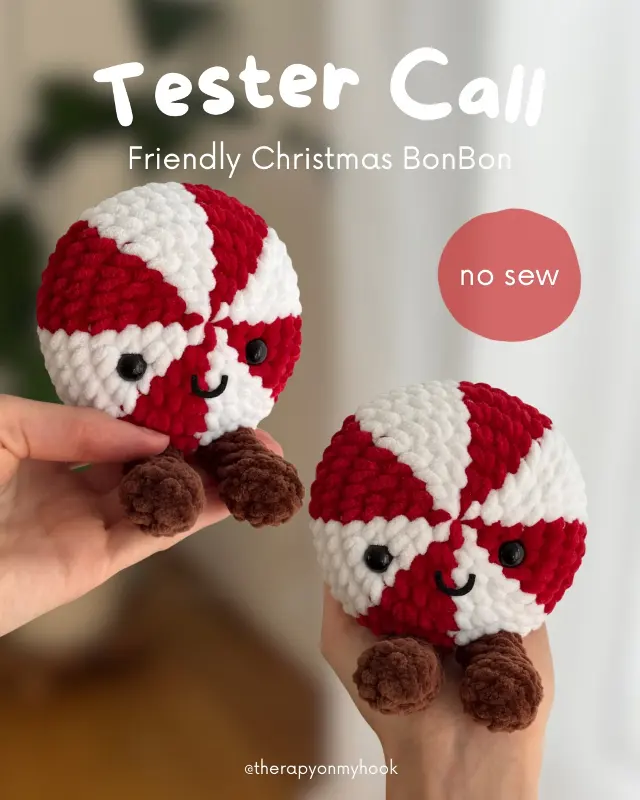 Pattern tester call for a no-sew Christmas BonBon plush
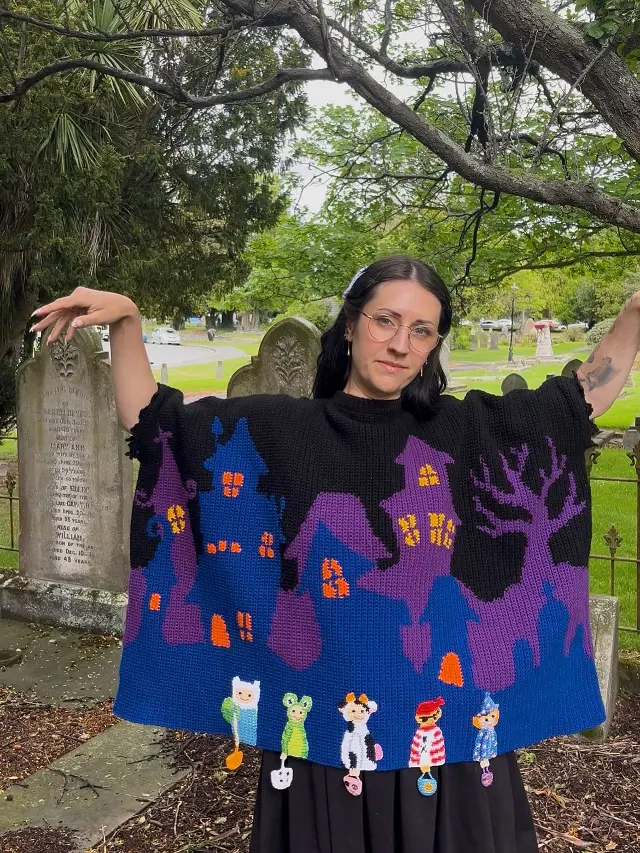 Pattern preview for a Halloween trick or treaters poncho
Get new #Pattern Testing ideas by email
Every Thursday: the week's best ideas, with the newest from #Pattern Testing.
Related tags
Pattern Testing: A Guide to Trying Patterns
Pattern testing is the process of making a new sewing, knitting, crochet, or craft pattern before it is released more widely. A pattern tester follows the instructions, makes the project, and shares feedback so the designer can check whether the directions are clear, the sizing or shaping works, and the final result matches the intended design. It is a useful step in many creative fields, especially when a pattern includes several sizes, assembly steps, or new techniques.
What pattern testing is for
At its best, pattern testing helps improve both the pattern and the maker’s experience. A tester may notice a step that needs clearer wording, a measurement that could be explained better, or a construction order that would be easier to follow another way. Testing also helps identify practical issues such as fit, stretch, drape, seam placement, or whether the finished item is comfortable and functional.
For you as a maker, testing can be a way to try a new design before it becomes widely available, while also contributing to a creative community. It can be especially helpful if you enjoy careful making, taking notes, and working through instructions step by step.
Read more
Common kinds of pattern testing
Pattern testing appears in many types of handmade work. In sewing, testers may make garments, accessories, toys, or home items. In knitting and crochet, testers often work from charts or written instructions to check shaping, stitch counts, and sizing. In other craft areas, testing might involve no-sew projects, templates, or assembly-based makes.
Some patterns are tested by a small group of makers with different skill levels or body measurements. That variety helps reveal whether the instructions are clear for beginners as well as more experienced makers.
What to know before you volunteer
If you want to test a pattern, read the call carefully. Designers usually say what skills are needed, what materials are required, and what deadlines apply. Be honest about your experience level. A pattern test is not the best time to choose a project that is far beyond your current skills unless the designer specifically welcomes that.
Before you begin, check the required tools, fabric or yarn type, and finished size. It also helps to know whether you are expected to provide written feedback, photos, or both. A tester should be ready to follow instructions closely and report any parts that are confusing, inconsistent, or difficult to execute.
Helpful habits during testing
Take notes as you work. Mark places where you had to reread a step, make an assumption, or adjust something to make it work. If the pattern includes measurements or sizing, compare those details with your own results. Small, specific feedback is usually the most useful.
Try to separate your opinion of the design from your comments on the instructions. You can love a finished project and still point out where the pattern could be clearer. That kind of feedback is valuable and respectful.
For beginners
If you are new to pattern testing, start with a project that matches your skill level. Choose a pattern with familiar techniques and enough time to work carefully. Read through the whole pattern before cutting, stitching, or casting on. That simple habit can prevent many avoidable problems.
Pattern testing is most successful when you treat it as both making and reviewing. With patience, clear notes, and honest feedback, you can help shape a pattern into something that is easier and more enjoyable for others to follow.
Videos come from YouTube and posts from Instagram; titles and summaries are our own. All rights belong to their creators.