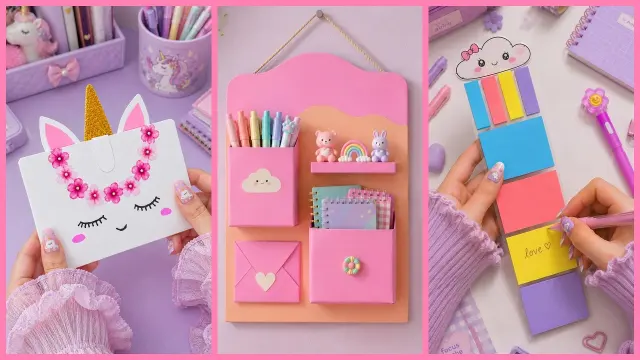
 Pinterest-Style Stationery DIYs for School Supplies
#Pencil Case
2 ideas
Pinterest-Style Stationery DIYs for School Supplies
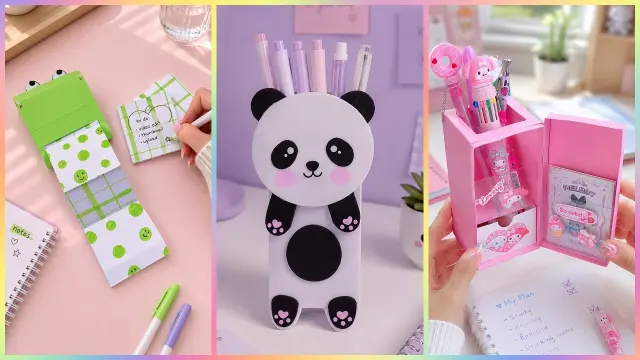 Twelve DIY Stationery Crafts for Back to School
Get new #Pencil Case ideas by email
Every Thursday: the week's best ideas, with the newest from #Pencil Case.
Related tags
Pencil Case: Choosing, Organising and Caring for Yours
A pencil case is a small container made to carry the tools of writing and drawing: pens, pencils, erasers, sharpeners, rulers, highlighters, brushes. It is one of the few objects almost everyone owns at some point, whether for school, for work, for art or simply for keeping a few pens in one place at home. Its job is modest but useful — protect what is inside, keep it findable, and make it possible to carry a working set of tools from one room, desk or city to another.
Where it comes from
Before soft pouches and zips, writing tools travelled in boxes. Small wooden boxes with sliding lids were once standard equipment for schoolchildren, and hinged tin and metal cases followed as manufacturing made them cheap and light. The soft fabric pouch arrived with the spread of zipped bags and became the everyday form most people picture today. What has stayed constant is the idea: a dedicated, portable place for small things that are easily lost.
The main kinds
Read more
- Soft pouches: fabric or mesh bags, often with a single zip. Light and forgiving, they hold odd-shaped items well but offer little protection and no compartments.
- Zip-around cases: open flat like a book, with elastic loops or slots. Good for people who like to see everything at once.
- Box and tin cases: rigid, stackable, protective. Excellent for fragile items such as charcoal, but heavier and less compressible.
- Roll-up cases: a mat with slots that rolls closed. Popular with artists, since brushes and pencils stay separated and visible.
- Multi-tier and organiser cases: two or three layers, sometimes with a built-in sharpener or calculator slot. Generous, but easy to overfill.
Materials
Canvas and cotton are sturdy and washable; nylon and polyester are lighter and resist water; leather and faux leather age well but need a little care; metal is durable and rigid; plastic is inexpensive and easy to wipe. Zips and stitching matter more than the outer fabric — a good case usually fails at the closure first.
What beginners should look for
Start with the contents, not the case. Count what you actually carry, then choose a size with a little room to spare rather than a lot. Check that the zip runs smoothly and that the opening is wide enough to reach inside comfortably. If you carry pens with ink or brushes with paint, choose a lining that wipes clean. For children, favour light weight, a secure closure and a washable fabric.
Keeping it in order
Empty the case out from time to time and put back only what works — dried-up pens and blunt pencils take up space and create clutter. Group similar items together, keep the most-used pieces nearest the opening, and resist filling every slot simply because it exists. A small cloth or a spare eraser tucked in a pocket saves a lot of inconvenience.
Care
Shake out crumbs and dust regularly. Wash fabric cases by hand in cool water and let them dry fully open before closing. Wipe plastic, metal and leather with a barely damp cloth, and leave zips slightly unzipped when storing so the fabric does not crease. Treated simply, a good pencil case lasts for years.
#Pencil Case: frequently asked questions
How do I choose the right pencil case for my needs?
Begin by looking at what you actually carry rather than at the case itself, then pick a size that leaves a little breathing room instead of a lot. Soft pouches suit people with odd-shaped or changing contents, while rigid boxes protect fragile things like charcoal and roll-ups keep brushes separated. Try the zip and reach inside before committing, since the closure is usually where a case gives out first.
What should a beginner have in a pencil case?
A working basic set is enough: a couple of pencils and pens, an eraser, a sharpener and a short ruler, with a small cloth tucked into a pocket. Build from what you genuinely reach for day to day rather than from a long checklist, and add items only as a real need appears. If you sketch or paint, choose a wipe-clean lining so stray ink or pigment doesn't stain the fabric.
How do I clean and care for a pencil case?
Tip out crumbs and dust regularly, and wash fabric cases by hand in cool water before letting them dry fully open. Plastic, metal and leather only need a barely damp cloth, and leaving the zip slightly open while stored stops the fabric from creasing. Doing this occasionally keeps a decent case going for years.
What are the common mistakes people make with pencil cases?
The usual one is buying for looks and ending up with a case that is too small or awkward to reach into. Another is filling every slot simply because it exists, which turns a useful container into a cluttered one. Leaving dried-up pens and blunt pencils in place is the third, since dead tools take up space that working ones need.
How can I keep my pencil case organised?
Empty it out now and then and put back only what still works, grouping similar items together. Keep the pieces you use most near the opening so you aren't digging for them, and let some slots stay empty. A spare eraser or a small cloth in a side pocket saves a surprising amount of inconvenience.
Any ideas for a pencil case at back-to-school time?
For children, favour something light with a secure closure and a washable fabric, since it will be dropped and stuffed into a bag daily. Personalising a plain pouch with fabric markers, patches or a stitched name tag makes it easy to spot and harder to lose. A simple stationery craft session before term starts is also a good way to get a child interested in keeping their supplies tidy.
Videos come from YouTube and posts from Instagram; titles and summaries are our own. All rights belong to their creators.