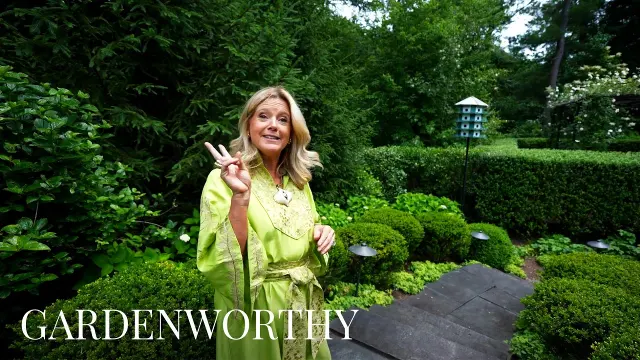
 Designer Meg Braff's New York Garden with Perennial Blooms
#Perennial Garden
1 ideas
Designer Meg Braff's New York Garden with Perennial Blooms
Get new #Perennial Garden ideas by email
Every Thursday: the week's best ideas, with the newest from #Perennial Garden.
Related tags
Perennial Garden: Plants That Come Back Every Year
A perennial garden is one built around plants that return year after year from the same roots, rather than being raised fresh from seed each spring. It is a slower kind of gardening than bedding out trays of annuals, and a more rewarding one: the border you plant this year is meant to be edited, divided and added to for a decade or more, growing fuller as it goes.
What makes a plant a perennial
The word comes from the Latin for "through the year," and it covers a wide range of behaviour. Herbaceous perennials — peonies, daylilies, coneflowers, hostas, phlox — die back to the ground in winter and push up new growth in spring. Woody perennials, such as shrubs and small trees, keep a permanent framework of stems. Tender perennials survive the cold only in mild climates, so many gardeners treat them as annuals.
The distinction from annuals and biennials is about lifecycle, not beauty. An annual completes its life in one season; a biennial takes two. A perennial, given the right conditions, keeps going.
Read more
Where the idea comes from
Perennials have always been part of working gardens, but the mixed herbaceous border as a designed feature grew out of the cottage-garden tradition, where flowers were packed in among vegetables and fruit. That inheritance still shapes how most perennial gardens look today: dense, layered, generous, and planned so that something is in flower from early spring to the first frost.
The main kinds
- Herbaceous perennials, the backbone of most borders, offering flowers, foliage or both.
- Ornamental grasses, which bring movement and structure and hold their shape into winter.
- Groundcover perennials, useful for suppressing weeds and knitting a border together.
- Shade perennials, for the north side of a house or beneath trees.
- Pollinator plants, chosen for nectar and seed, which also feed birds.
Planning for a long season
The single most useful habit is to think in terms of succession. Rather than buying whatever is in flower on the day you visit the nursery, group plants by bloom time so the border has waves rather than one brief peak. Match each plant to its conditions — sun or shade, damp or dry, rich soil or poor — because a perennial in the wrong place will sulk for years rather than simply fail and be replaced.
Planting and care
Plant in soil that has been cleared of weeds and improved with compost, setting crowns at the depth the plant was already growing. Water regularly through the first season, while roots establish. After that, most perennials want little more than a spring mulch, a tidy-up of spent flowers if you want more blooms, and patience.
Every few years, clumps that have gone woody or hollow in the middle can be lifted and divided, which rejuvenates the plant and gives you free stock to move elsewhere. Leaving seedheads standing over winter feeds birds and adds structure when the garden is otherwise bare.
What beginners should know
Start with a small area and a short list of reliable plants, and keep the labels. Resist cutting everything down in autumn — many perennials offer winter interest, and some are late to emerge in spring. Expect the first year to look sparse, the second to fill in, and the third to feel like a garden.
#Perennial Garden: frequently asked questions
What is a perennial garden, in simple terms?
It is a garden built around plants that die back and then return from the same root system season after season, instead of being raised from seed every spring. The border keeps maturing rather than starting over, so it is meant to be edited, divided and added to over many years. The trade-off is patience: it fills in slowly, but it rewards you with a garden that gets better instead of merely repeating.
How do I start a perennial garden without wasting money?
Begin with one modest bed rather than the whole yard, and clear it properly of weeds before anything goes in. Choose a short list of dependable plants suited to that spot's light and soil, and keep the labels so you remember what you planted and where. Expect a thin, underwhelming look at first; the border only starts to feel established after a couple of seasons.
Which perennials should I pick for my border?
Pick by condition first and by bloom time second, since a plant in the wrong spot will sulk for years instead of simply dying and being swapped out. Group selections so something is flowering from early spring through to frost, and mix in ornamental grasses and foliage plants for structure after the flowers fade. Include a few that feed pollinators and birds if you want the garden to feel alive.
How much work does a perennial garden need?
Once the roots are established, the routine is light: water attentively through the first season, then mulch in spring, trim spent blooms if you want more flowers, and otherwise leave things alone. Every few years, lift and divide clumps that have gone woody or hollow in the middle to refresh them and get free plants for elsewhere. Resist the urge to cut everything down in autumn, because seedheads and stems feed birds and carry the garden through winter.
What mistakes do beginners make with perennials?
The common ones are buying whatever is in flower at the nursery that day, which gives a single brief peak instead of waves of bloom, and planting on impulse without checking sun, drainage or soil. Another is over-tidying in autumn, which strips the border of winter interest and bird food. Finally, many people dig up plants they assume are dead when a perennial is simply slow to emerge in spring.
Can I have flowers in a perennial border all season?
Yes, and it comes down to planning in succession rather than shopping by colour on a single afternoon. Assign each plant its moment, layering early bloomers with mid-season and late ones, and let foliage and grasses carry the gaps. Over a few seasons the border reads as continuous rather than as one short burst.
Videos come from YouTube and posts from Instagram; titles and summaries are our own. All rights belong to their creators.