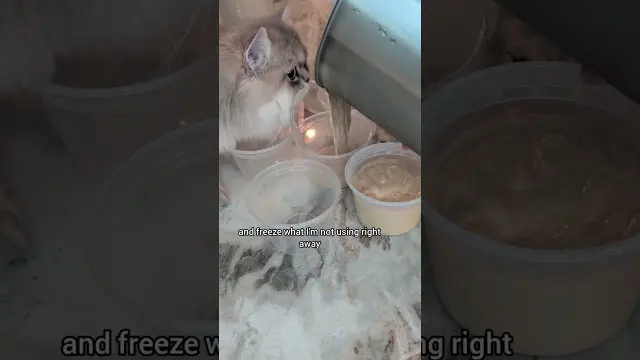
 Simple Guide to Making Wet Cat Food at Home
#Pet Nutrition
1 ideas
Simple Guide to Making Wet Cat Food at Home
Get new #Pet Nutrition ideas by email
Every Thursday: the week's best ideas, with the newest from #Pet Nutrition.
Related tags
Pet Nutrition Guide for Healthy Everyday Feeding
Pet nutrition is the everyday practice of feeding your animal companion in a way that supports health, energy, and long-term wellbeing. It covers what goes into the bowl, how much is served, how often meals are given, and how food changes with age, size, lifestyle, and special needs. Whether you care for a dog, cat, rabbit, bird, or another pet, good nutrition starts with understanding that different animals have different dietary requirements.
What pet nutrition means
At its simplest, pet nutrition is about providing the right balance of protein, fats, carbohydrates, vitamins, minerals, and water. Some pets need more animal-based protein, while others rely on a more varied mix of ingredients. Age also matters: growing animals, adults, and seniors often need different levels of energy and nutrients. A healthy diet should help maintain a steady weight, support normal digestion, and keep your pet active and comfortable.
Main types of pet food
Read more
Pet food usually comes in a few common forms. Dry food is convenient and easy to store. Wet food contains more moisture and can be helpful for pets who need extra hydration or prefer a softer texture. Fresh or homemade feeding is also popular, but it needs careful planning so the diet stays balanced. Some pets do best on a single complete food, while others benefit from a mix of textures.
Not every food made for humans is suitable for pets, and not every pet can eat the same ingredients. A diet that works well for one animal may not suit another, so it helps to choose food designed for your pet’s species and life stage.
What to look for in a balanced diet
When choosing food, focus on the overall balance rather than just one ingredient. A good diet should:
- Be appropriate for your pet’s species, age, and activity level
- Provide enough protein and energy without overfeeding
- Include essential nutrients in safe amounts
- Be easy for your pet to digest
- Support a healthy coat, stool quality, and stable body condition
If you are changing foods, do it gradually to give your pet’s digestive system time to adjust. Sudden changes can cause stomach upset in some animals.
Practical feeding tips
Fresh water should always be available. Portion control matters, because even nutritious food can lead to weight gain if too much is given. Try to measure meals rather than guessing. Treats can be useful for training and bonding, but they should stay in moderation and not replace balanced meals.
Watch your pet’s body condition, appetite, energy, and digestion. A healthy feeding routine usually produces steady weight, a shiny coat, and normal activity. If your pet is eating less than usual, scratching excessively, vomiting often, or losing or gaining weight unexpectedly, it is wise to ask a veterinarian for advice.
A few beginner-friendly habits
If you are new to pet care, start with a food that is suitable for your pet’s needs and keep the routine consistent. Feed at regular times, avoid sharing unsuitable table food, and introduce any changes slowly. Over time, you will learn how your pet responds to different foods, portions, and feeding schedules.
Good pet nutrition is not about perfection. It is about steady, thoughtful choices that help your animal companion stay healthy, comfortable, and well cared for each day.
Videos come from YouTube and posts from Instagram; titles and summaries are our own. All rights belong to their creators.